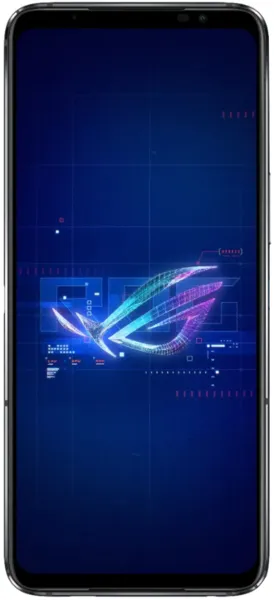
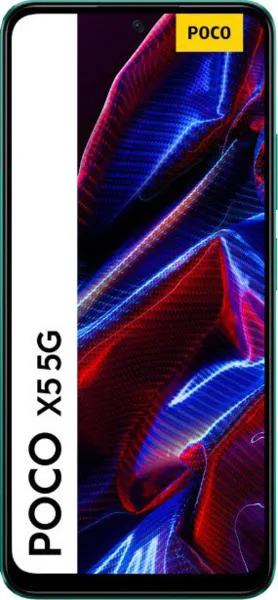
Asus ROG Phone 6 vs. Xiaomi Poco X5: A Deep Dive for the Discerning User
The smartphone market is a battlefield, and today we're analyzing two contenders vying for your attention: the Asus ROG Phone 6, a gaming powerhouse, and the Xiaomi Poco X5, a mid-range marvel. Let's dissect their specs and uncover what they truly offer.
1. Specifications Breakdown
| Feature | Asus ROG Phone 6 | Xiaomi Poco X5 | Real-World Implications |
|---|---|---|---|
| Design | |||
| Dimensions (mm) | 173 x 77 x 10.3 | 165.9 x 76.2 x 8 | ROG Phone 6 is thicker and heavier, reflecting its gaming focus and larger battery. Poco X5 prioritizes portability. |
| Weight (g) | 239 | 189 | The Poco X5's lighter weight will be more comfortable for extended use and one-handed operation. |
| Display | |||
| Size (inches) | 6.78 | 6.67 | Negligible difference in screen real estate. |
| Resolution | 1080 x 2448 | 1080 x 2400 | Both offer sharp visuals; the ROG Phone 6 has a slightly higher pixel density, but it's unlikely to be noticeable in daily use. |
| Refresh Rate (Hz) | 165 | 120 | ROG Phone 6's higher refresh rate provides a noticeably smoother experience, especially in gaming and fast-paced content consumption. |
| Display Type | AMOLED, 1B colors | AMOLED | Both use AMOLED for vibrant colors and deep blacks. ROG Phone 6 boasts 1 billion colors for a wider color gamut and potentially more accurate visuals. |
| Performance | |||
| Chipset | Snapdragon 8+ Gen 1 | Snapdragon 695 5G | ROG Phone 6's flagship processor significantly outperforms the Poco X5's mid-range chip, offering much greater power for demanding tasks and games. |
| CPU | Octa-core (up to 3.19 GHz) | Octa-core (up to 2.2 GHz) | ROG Phone 6's superior CPU clock speeds translate to faster app loading, smoother multitasking, and enhanced responsiveness. |
| GPU | Adreno 730 | Adreno 619 | The ROG Phone 6's GPU delivers a substantial gaming advantage with higher frame rates and more detailed graphics. |
| RAM | 12GB | 6/8GB | The ROG Phone 6's 12GB RAM ensures effortless multitasking and smooth performance even with numerous apps open. |
| Camera | |||
| Main Camera (MP) | 50 | 48 | Both offer capable main cameras, but the ROG Phone 6's Sony IMX766 sensor likely provides better image quality, especially in low light. |
| Video Recording | Up to 8K@24fps | Up to 1080p@30fps | ROG Phone 6 offers significantly higher video resolution and frame rate options for content creators. |
| Battery Life | |||
| Capacity (mAh) | 6000 | 5000 | ROG Phone 6's larger battery should provide longer usage time. |
| Charging | 65W Fast Charging | 33W Fast Charging | ROG Phone 6 charges significantly faster, minimizing downtime. |
2. Key Insights
The ROG Phone 6 is a no-compromise gaming phone with top-tier specs across the board. Its powerful processor, high refresh rate display, and massive battery make it ideal for demanding users and mobile gamers. The Poco X5 offers excellent value for its price, delivering a solid AMOLED display, capable camera, and decent performance for everyday tasks.
3. User Profiles and Recommendations
ROG Phone 6: Ideal for hardcore mobile gamers, power users, and content creators who demand the best performance and features.
Poco X5: Suitable for budget-conscious users, casual gamers, and those who prioritize a sleek design and good battery life for everyday use.
4. Buying Decision Framework
- What is your primary use case? Gaming, content creation, or everyday tasks?
- What is your budget? The ROG Phone 6 is significantly more expensive.
- What features are most important to you? Performance, battery life, camera quality, or portability?
Scenario-Based Recommendations:
- Gamer: ROG Phone 6 for the ultimate mobile gaming experience.
- Everyday User on a Budget: Poco X5 for a balance of features and affordability.
- Content Creator: ROG Phone 6 for its superior camera and video capabilities.
My Choice: Asus ROG Phone 6
While the Poco X5 offers great value, I'd choose the ROG Phone 6. My work demands top-tier performance for testing apps and games, and the ROG Phone 6's Snapdragon 8+ Gen 1, coupled with the 165Hz display, ensures a buttery smooth experience. The larger battery and faster charging are also crucial for my on-the-go lifestyle. Although it's a premium investment, the ROG Phone 6's superior capabilities directly translate to increased productivity and a more enjoyable mobile experience, making it a worthwhile investment for my needs. I appreciate the engineering that went into optimizing this device for peak performance, even if it means a slightly bulkier design.
