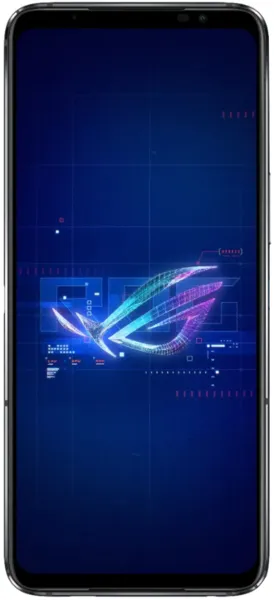
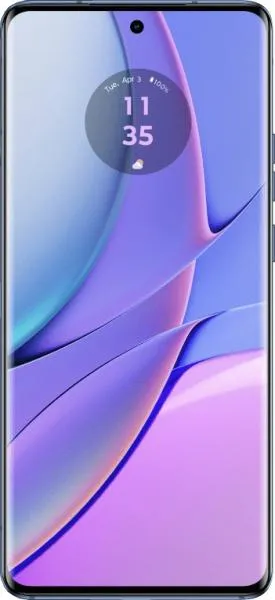
Asus ROG Phone 6 vs. Motorola Edge 40: A Deep Dive for the Discerning User
The smartphone arena is a battleground of innovation, and today we're dissecting two contenders vying for your attention: the Asus ROG Phone 6 and the Motorola Edge 40. While both offer compelling features, their distinct strengths cater to different user profiles. Let's delve into the specifics and uncover which device reigns supreme for your needs.
1. Specifications Breakdown
| Feature | Asus ROG Phone 6 | Motorola Edge 40 | Real-World Implications |
|---|---|---|---|
| Design | |||
| Dimensions (mm) | 173 x 77 x 10.3 | 158.4 x 72 x 7.6 | ROG Phone 6 is larger and thicker, Edge 40 is significantly thinner and lighter. |
| Weight (g) | 239 | 167 | Edge 40 offers superior one-handed usability and portability. |
| Display | |||
| Type | AMOLED, 165Hz | p-OLED, 144Hz | Both offer vibrant colors and smooth scrolling; ROG Phone 6 has a slightly faster refresh rate. |
| Size (inches) | 6.78 | 6.55 | ROG Phone 6 provides a larger viewing area for gaming and media consumption. |
| Resolution (pixels) | 1080 x 2448 | 1080 x 2400 | Virtually identical sharpness; negligible difference in real-world usage. |
| Performance | |||
| Chipset | Snapdragon 8+ Gen 1 | Dimensity 8020 | ROG Phone 6 boasts a flagship processor, promising superior performance in demanding tasks and gaming. |
| CPU | Octa-core (up to 3.19 GHz) | Octa-core (up to 2.6 GHz) | ROG Phone 6 delivers significantly faster processing speeds. |
| GPU | Adreno 730 | Mali-G77 MC9 | ROG Phone 6's GPU offers a substantial advantage in graphics-intensive applications and gaming. |
| RAM (GB) | 12 | 8 | ROG Phone 6 provides more headroom for multitasking and demanding applications. |
| Camera | |||
| Main Camera (MP) | 50 | 50 | Comparable resolution; real-world image quality will depend on sensor and software processing. |
| Selfie Camera (MP) | 12 | 32 | Edge 40 offers a much higher resolution selfie camera. |
| Battery Life | |||
| Capacity (mAh) | 6000 | 4400 | ROG Phone 6 offers significantly longer battery life. |
| Fast Charging (W) | 65 | 68 | Edge 40 charges slightly faster, but the ROG Phone 6 has a much larger battery capacity |
| Other | |||
| Price Range | High | Medium | ROG Phone 6 is positioned as a premium device, while Edge 40 offers a more competitive price point. |
| Software | Android 12 (upgradable to 13) | Android 13 (upgradable to 15) | Edge 40 ships with a newer Android version and will receive longer software support. |
2. Key Insights
The ROG Phone 6 is a powerhouse designed for gaming and demanding tasks. Its superior processor, GPU, and ample RAM ensure a smooth and responsive experience, even under heavy load. The larger battery provides extended playtime without frequent recharges.
The Motorola Edge 40, on the other hand, prioritizes sleek design and portability. It's significantly lighter and thinner, making it ideal for one-handed use. While not as powerful as the ROG Phone 6, it still offers a respectable performance for everyday tasks and moderate gaming, coupled with a more attractive price point.
3. User Profiles and Recommendations
ROG Phone 6: Ideal for hardcore mobile gamers, power users, and content creators who demand top-tier performance and extended battery life.
Motorola Edge 40: Best suited for users who value a stylish, lightweight design, smooth display, and solid performance for everyday tasks, without the premium price tag. The higher-resolution selfie camera also makes it a good choice for frequent video callers and selfie enthusiasts.
4. Buying Decision Framework
- What is your primary use case? Gaming and heavy multitasking? Choose the ROG Phone 6. Everyday tasks, social media, and moderate gaming? The Edge 40 might suffice.
- What is your budget? If price is a major concern, the Edge 40 offers excellent value. If you're willing to invest in top-tier performance, the ROG Phone 6 is worth considering.
- How important is portability? If you prioritize a slim and lightweight phone, the Edge 40 is the clear winner.
My Choice: As a tech journalist who appreciates both performance and portability, I'd lean towards the Motorola Edge 40. While the ROG Phone 6 is undeniably powerful, the Edge 40 strikes a compelling balance between performance, design, and price. Its sleek form factor, smooth display, and adequate performance for my daily workflow, coupled with its competitive price, make it the more sensible choice for my needs. The longer software update cycle is also a significant factor. While I appreciate the raw power of the ROG Phone 6, the Edge 40 better aligns with my personal priorities and usage patterns. The significant price difference allows for investment in other gadgets or experiences.
