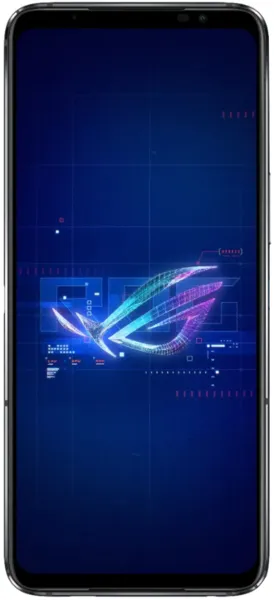
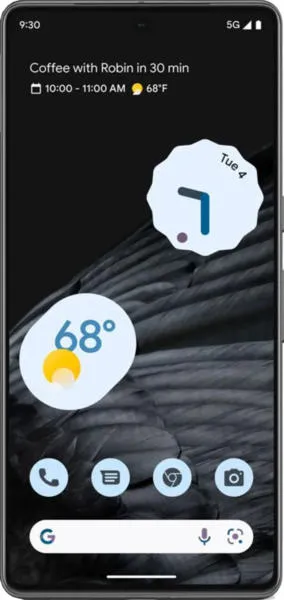
Asus ROG Phone 6 vs. Google Pixel 7 Pro: A Deep Dive for the Discerning User
The smartphone landscape is a battlefield, and two contenders vying for your attention are the Asus ROG Phone 6 and the Google Pixel 7 Pro. Both pack powerful punches, but their target audiences and strengths differ significantly. Let's dissect these devices, translating the cold, hard specs into a warm, insightful understanding.
1. Specifications Breakdown
| Feature | Asus ROG Phone 6 | Google Pixel 7 Pro | Real-World Implications |
|---|---|---|---|
| Design | |||
| Dimensions (mm) | 173 x 77 x 10.3 | 162.9 x 76.6 x 8.9 | ROG 6 is larger and thicker, potentially less pocketable. |
| Weight (g) | 239 | 212 | ROG 6 is noticeably heavier, impacting one-handed use. |
| Display | |||
| Size (inches) | 6.78 | 6.7 | Negligible difference in screen real estate. |
| Resolution (px) | 1080 x 2448 | 1440 x 3120 | Pixel 7 Pro boasts sharper visuals due to higher pixel density. |
| Refresh Rate (Hz) | 165 | 120 | ROG 6 offers incredibly smooth scrolling and animations, benefiting gamers especially. |
| Display Type | AMOLED | LTPO AMOLED | Pixel 7 Pro's LTPO panel allows for dynamic refresh rate adjustment, saving battery. |
| Performance | |||
| Chipset | Snapdragon 8+ Gen 1 | Google Tensor G2 | Both are flagship processors, but benchmarks suggest Snapdragon has a raw performance edge. |
| RAM (GB) | 12 | 12 | Ample RAM for multitasking on both devices. |
| Camera | |||
| Main Camera (MP) | 50 | 50 | Comparable main camera resolution. Pixel excels in computational photography. |
| Zoom | Digital | 5x Optical, 30x Super Res Zoom | Pixel 7 Pro offers superior zoom capabilities. |
| DXOMARK Score | N/A | 147 | Pixel 7 Pro has a proven track record for excellent image quality. |
| Battery Life | |||
| Capacity (mAh) | 6000 | 5000 | ROG 6 has a larger battery, potentially leading to longer usage time. |
| Charging (Wired) | 65W | 23W | ROG 6 charges significantly faster. |
| Wireless Charging | No | Yes (23W) | Pixel 7 Pro supports convenient wireless charging. |
2. Key Insights
The ROG Phone 6 screams "gaming powerhouse." Its high refresh rate display, powerful Snapdragon processor, and massive battery are tailored for extended, demanding gaming sessions. The inclusion of specialized gaming features like AirTriggers further solidifies its gaming focus.
The Pixel 7 Pro, on the other hand, champions Google's AI prowess. Its Tensor G2 chip excels in machine learning tasks, powering features like photo processing, live translation, and call screening. The camera system, backed by Google's computational photography algorithms, consistently delivers outstanding results.
3. User Profiles and Recommendations
ROG Phone 6: Ideal for mobile gamers, power users who demand top-tier performance, and those who prioritize long battery life and fast charging.
Pixel 7 Pro: Best suited for photography enthusiasts, users who value a clean Android experience with timely updates, and those who appreciate Google's AI-driven features.
4. Buying Decision Framework
- Are you a hardcore mobile gamer? If yes, the ROG Phone 6 is your weapon of choice.
- Is camera quality your top priority? The Pixel 7 Pro's camera system is hard to beat.
- Do you value a clean, bloatware-free Android experience with the latest software updates? The Pixel 7 Pro delivers on this front.
My Choice: Google Pixel 7 Pro
While I admire the raw power of the ROG Phone 6, the Pixel 7 Pro aligns better with my needs and priorities. As a tech journalist, a stellar camera is crucial for capturing events and showcasing devices. The Pixel's camera consistently impresses, and its AI-powered features enhance my productivity. Furthermore, I appreciate the clean software experience and guaranteed timely updates that come with a Pixel device. Although the ROG Phone 6 boasts a larger battery and faster charging, the Pixel 7 Pro's wireless charging capability and overall user experience outweigh those advantages for me. Ultimately, the Pixel 7 Pro offers a more well-rounded package that caters to my daily workflow and personal preferences.
