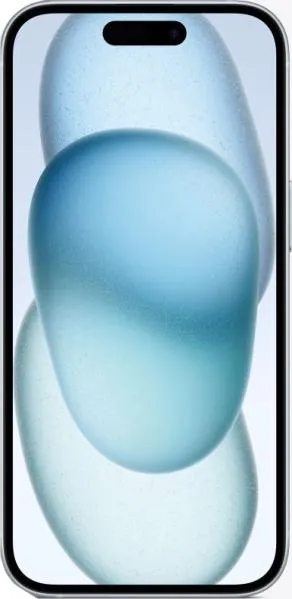

1. Specifications Comparison
| Feature | Apple iPhone 15 | ZTE nubia Z60 Ultra | Practical Impact |
|---|---|---|---|
| Design | |||
| Dimensions | 147.6x71.6x7.8mm | 164x76.4x8.8mm | The iPhone 15 is significantly smaller and thinner, making it more pocketable and easier to handle one-handed. The nubia is larger and heavier. |
| Weight | 171g | 246g | The iPhone 15 is noticeably lighter, reducing hand fatigue during extended use. |
| Display | |||
| Size | 6.1" | 6.8" | The nubia offers a much larger screen for immersive media consumption and multitasking, while the iPhone 15 prioritizes one-handed usability. |
| Type | Super Retina XDR OLED | AMOLED | Both are high-quality display technologies with vibrant colors and deep blacks. |
| Resolution | 1179x2556 | 1116x2480 | Despite the lower resolution, the iPhone's smaller screen size results in a higher pixel density (461 vs 400 PPI), leading to sharper text and images. The nubia's lower PPI might be noticeable to some users, especially when viewing fine details. |
| Refresh Rate | Not specified | 120Hz | The 120Hz refresh rate on the nubia provides smoother scrolling and animations, resulting in a more fluid user experience. The lack of refresh rate specification for the iPhone 15 makes direct comparison impossible. |
| Peak Brightness | 2000 nits | 1500 nits | The iPhone 15's higher peak brightness ensures better visibility in direct sunlight. |
| Performance | |||
| Chipset | Apple A16 Bionic (4 nm) | Qualcomm Snapdragon 8 Gen 3 (4 nm) | Both are flagship chipsets from 2023, promising top-tier performance. Cross-platform comparisons are difficult without benchmarks. |
| CPU | Hexa-core | Octa-core | Core count doesn't directly translate to performance. Both CPUs should handle demanding tasks with ease. Real-world performance depends on optimization. |
| GPU | Apple GPU (5-core) | Adreno 750 | Gaming performance should be excellent on both devices. Specific game benchmarks are needed for accurate comparison. |
| RAM | 6GB | 12GB | The nubia's larger RAM capacity could allow for more apps to run in the background without reloading, benefiting multitasking. |
| Storage | 256GB/512GB | 256GB | Both offer ample storage. The iPhone offers a 512GB option for users needing more space. |
| Battery | |||
| Capacity | 3349 mAh | 6000 mAh | The nubia's significantly larger battery likely translates to much longer battery life. |
| Other | |||
| OS | iOS 17 | Android 14 | OS preference is subjective. iOS is known for its simplicity and tight integration, while Android offers more customization options. |
2. Key Differences Analysis
iPhone 15 Advantages:
- More compact and lightweight: Easier to handle and carry.
- Brighter display: Better outdoor visibility.
- Potentially smoother performance: Due to iOS optimization, even with seemingly lower specs. Higher PPI leading to sharper visuals.
ZTE nubia Z60 Ultra Advantages:
- Larger display: More immersive media consumption and better multitasking.
- Higher refresh rate: Smoother scrolling and animations.
- Significantly larger battery: Longer usage time between charges.
- More RAM: Enhanced multitasking capabilities.
3. User Profiles & Recommendations
iPhone 15: Users who prioritize one-handed usability, a compact form factor, a bright display, and a seamless user experience within the Apple ecosystem. Ideal for users who value simplicity and ease of use.
ZTE nubia Z60 Ultra: Users who prioritize a large display for media consumption, gaming, and multitasking, along with long battery life. Suitable for power users and those who prefer Android's customization options.
4. Decision Framework
Key Questions for Buyers:
- What screen size do you prefer? Large screen for immersive experiences or smaller screen for one-handed use?
- How important is battery life? Prioritize all-day usage or frequent charging is acceptable?
- Which operating system do you prefer? iOS or Android?
My Choice: ZTE nubia Z60 Ultra
While the iPhone 15 excels in portability and brightness, the ZTE nubia Z60 Ultra offers a compelling combination of a large, high refresh rate display, a massive battery, and powerful performance with 12GB of RAM. The significantly larger battery and smoother scrolling experience are major factors for me. While I acknowledge the benefits of iOS and the iPhone's compact design, the nubia's advantages better suit my needs for productivity and media consumption. The potential trade-off of a slightly less sharp screen and larger size is acceptable considering the significant gains in battery life and a more fluid user experience.
