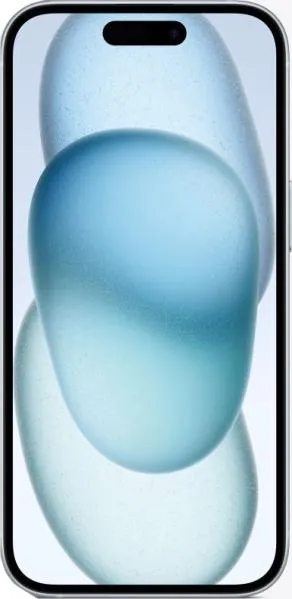
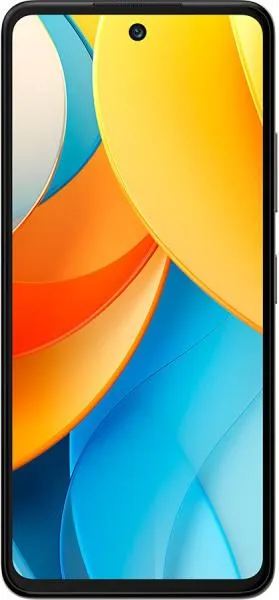
1. Specifications Comparison
| Feature | Apple iPhone 15 | ZTE Blade V60 Design | Practical Impact |
|---|---|---|---|
| Design | |||
| Dimensions | 147.6 x 71.6 x 7.8 mm | 164.2 x 75.3 x 8.6 mm | iPhone 15 is significantly smaller and thinner, offering better one-handed usability. |
| Weight | 171 g | 198 g | iPhone 15 is noticeably lighter, reducing hand fatigue during extended use. |
| Build Materials | Not specified | Not specified | Material differences can impact durability and premium feel. This information is missing. |
| Display | |||
| Display Type | Super Retina XDR OLED | IPS LCD | iPhone 15's OLED offers superior contrast, deeper blacks, and wider viewing angles, resulting in a more vibrant and immersive visual experience. |
| Size | 6.1" | 6.6" | ZTE provides a larger screen for media consumption, but may be less pocketable. |
| Resolution | 1179 x 2556 | 720 x 1612 | iPhone 15 boasts significantly higher resolution (461 ppi vs 267 ppi) resulting in sharper text and images. |
| Refresh Rate | Not Specified | 90Hz | A 90Hz refresh rate on the ZTE should result in smoother scrolling and animations compared to a standard 60Hz (assuming iPhone 15 is 60Hz as not specified). |
| Peak Brightness | 2000 nits | Not Specified | iPhone 15's higher peak brightness ensures better visibility in direct sunlight. |
| Performance | |||
| Chipset | Apple A16 Bionic (4 nm) | Unisoc T606 (12 nm) | A16 is a significantly more powerful chipset, enabling smoother multitasking, faster app loading, and superior gaming performance. |
| CPU | Hexa-core (2x3.46 GHz + 4x2.02 GHz) | Octa-core (2x1.6 GHz + 6x1.6 GHz) | iPhone's CPU architecture and clock speeds suggest a significant performance advantage in demanding tasks. |
| GPU | Apple GPU (5-core) | Mali-G57 MP1 | Apple's custom GPU is expected to provide a much better gaming and graphics-intensive application experience. |
| RAM | 6GB | 6GB | While both have 6GB RAM, the iPhone's superior processor will likely manage it more efficiently. |
| Storage | 256GB/512GB | 256GB | Both offer ample storage, but the iPhone offers a 512GB option for users needing more space. |
| Camera | |||
| Rear Camera | Not specified | Not specified | Camera specifications are missing, making detailed comparison impossible. |
| Video | 4K@60fps (HDR), up to 1080p@240fps | 1080p@30fps | iPhone offers significantly better video recording capabilities with higher resolution, frame rates, and HDR support. |
| Battery | |||
| Capacity | 3349 mAh | 5000 mAh | ZTE has a much larger battery capacity, potentially offering significantly longer battery life. However, real-world usage will depend on software optimization. |
2. Key Differences Analysis
iPhone 15 Advantages:
- Significantly higher performance: The A16 Bionic chip offers a substantial advantage in speed and graphics.
- Superior display: The OLED screen provides richer colors, deeper blacks, and higher resolution.
- Premium design: Expectedly smaller, lighter, and potentially more durable (materials not specified).
- Better video recording capabilities: Wider range of resolutions, frame rates, and HDR support.
- More mature software ecosystem: iOS is known for its stability, optimization, and app quality.
ZTE Blade V60 Design Advantages:
- Larger battery: Potentially longer battery life, appealing for heavy users.
- Larger display: More screen real estate for media consumption and multitasking.
- Lower price: The "low price" range suggests significant cost savings.
- Higher refresh rate: Smoother scrolling and animations (assuming iPhone 15 is 60Hz).
3. User Profiles & Recommendations
iPhone 15: Users who prioritize performance, premium design, a vibrant display, and a robust app ecosystem. Ideal for demanding tasks, gaming, content creation, and users willing to pay for a premium experience.
ZTE Blade V60 Design: Budget-conscious users who prioritize battery life and a large screen for media consumption. Suitable for casual gaming, social media browsing, and users seeking an affordable option.
4. Decision Framework
Key Questions for Buyers:
- What is your budget? The iPhone 15 is expected to be significantly more expensive.
- What are your performance needs? For demanding tasks and gaming, the iPhone 15 is far superior.
- How important is battery life? The ZTE likely offers longer battery life, but real-world usage varies.
My Choice: Apple iPhone 15
Why: While the ZTE Blade V60 Design offers a larger battery and screen at a lower price, the iPhone 15's significant advantages in performance, display quality, overall user experience (based on historical iOS performance), and video recording capabilities make it the better choice for me. I prioritize a smooth, responsive experience and a high-quality display. I am also willing to pay a premium for these features. The A16 Bionic chip's performance is a huge differentiator, ensuring the phone remains fast and capable for years to come. While battery life is important, I'm confident in managing usage or utilizing fast charging to compensate for the smaller battery in the iPhone.
