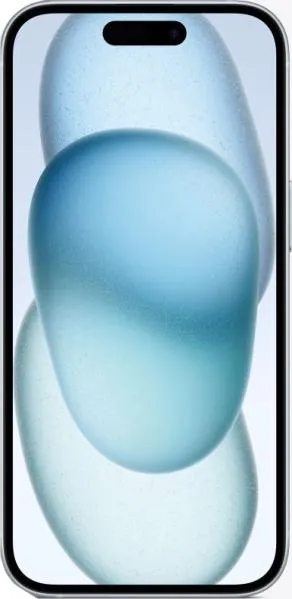
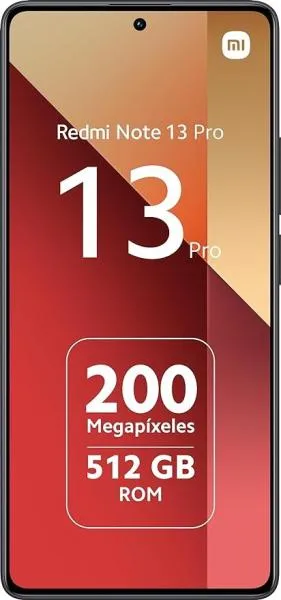
1. Specifications Comparison
| Feature | Apple iPhone 15 | Xiaomi Redmi Note 13 Pro 4G | Practical Impact |
|---|---|---|---|
| Design | |||
| Dimensions | 147.6x71.6x7.8mm | 161.1x75x8mm | iPhone 15 is significantly smaller and more pocketable. Redmi is larger, potentially better for media consumption but less comfortable for one-handed use. |
| Weight | 171g | 188g | iPhone 15 is noticeably lighter, reducing hand fatigue during extended use. |
| Build Material | Missing | Missing | Build material impacts durability and premium feel. Lack of information prevents comparison. |
| Display | |||
| Display Size | 6.1" | 6.67" | Redmi offers a larger screen for more immersive media consumption and multitasking. iPhone's smaller size benefits one-handed usability. |
| Display Type | Super Retina XDR OLED | AMOLED | Both offer excellent contrast and vibrant colors. Subtle differences in color accuracy and power efficiency might exist but are difficult to quantify without real-world testing. |
| Resolution | 1179x2556 | 1080x2400 | iPhone boasts a sharper display due to higher pixel density (461 ppi vs 395 ppi), resulting in crisper text and images. Redmi's resolution is still sufficient for most users. |
| Refresh Rate | Missing | 120Hz | Redmi's 120Hz display provides smoother scrolling and animations compared to a standard 60Hz (iPhone's likely refresh rate, though unconfirmed). |
| Peak Brightness | 2000 nits | 1300 nits | iPhone 15's higher peak brightness ensures better visibility in direct sunlight. |
| Performance | |||
| Chipset | Apple A16 Bionic (4 nm) | Mediatek Helio G99 Ultra | A16 is significantly more powerful, offering superior performance in demanding tasks and gaming. Helio G99 targets efficiency and moderate performance. |
| CPU | Hexa-core | Octa-core | Core count alone doesn't determine performance. A16's architecture and higher clock speeds translate to a substantial real-world performance advantage. |
| GPU | Apple GPU (5-core) | Mali-G57 MC2 | Apple's GPU is expected to deliver considerably better graphics performance for gaming and graphically intensive applications. |
| RAM | 6GB | 8GB/12GB | Redmi offers more RAM in its configurations, enabling better multitasking and app switching, particularly beneficial for power users. 6GB is generally sufficient for average use. |
| Storage | 256GB/512GB | 256GB/512GB | Comparable storage options. |
| Camera | Detailed camera specifications (sensor size, aperture) are missing, hindering a comprehensive comparison. Video capabilities suggest iPhone 15 likely offers superior video recording. | ||
| Battery | |||
| Capacity | 3349 mAh | 5000 mAh | Redmi's significantly larger battery capacity suggests much longer battery life. Real-world usage will vary depending on software optimization and usage patterns. |
2. Key Differences Analysis
iPhone 15 Advantages:
- Significantly higher performance: The A16 Bionic chip offers a substantial performance advantage for demanding tasks and gaming.
- Sharper display: Higher resolution and pixel density result in a crisper viewing experience.
- Brighter display: Better visibility in direct sunlight.
- More compact and lightweight: Easier to handle and carry.
- Potentially superior camera system: Based on video recording capabilities. Lack of full specs limits definitive conclusions.
Redmi Note 13 Pro 4G Advantages:
- Larger display: More immersive for media consumption and multitasking.
- Higher refresh rate: Smoother scrolling and animations.
- Significantly larger battery: Potentially much longer battery life.
- More RAM: Better multitasking capabilities.
- Lower expected price: Though both are in the "medium price" range, Redmi devices are generally more affordable.
Trade-offs:
- Performance vs. Battery Life: iPhone prioritizes performance, while Redmi focuses on battery longevity.
- Size and Portability vs. Screen Real Estate: iPhone is smaller and more portable, Redmi offers a larger screen.
3. User Profiles & Recommendations
iPhone 15: Users who prioritize performance, a premium mobile experience, a compact form factor, and a vibrant display. Ideal for demanding tasks, gaming, and content creation.
Redmi Note 13 Pro 4G: Users who prioritize battery life, a large display for media consumption, smooth scrolling, and value for money. Suitable for everyday use, multitasking, and extended use without frequent charging.
4. Decision Framework
Key Questions:
- What is your budget? While both are mid-range, the Redmi is likely more affordable.
- What are your primary use cases? Gaming and demanding tasks favor the iPhone. Media consumption and all-day battery life favor the Redmi.
- Do you prioritize performance or battery life? The iPhone excels in performance; the Redmi in battery life.
Scenario-Based Recommendations:
- Heavy gamer: iPhone 15
- Student on a budget: Redmi Note 13 Pro 4G
- Professional needing all-day battery: Redmi Note 13 Pro 4G
- Content creator: iPhone 15
My Choice: iPhone 15
While the Redmi Note 13 Pro 4G offers compelling features like a large battery and 120Hz display, I would choose the iPhone 15. The significantly superior performance of the A16 Bionic chip, combined with the sharper and brighter display, compact form factor, and expected higher quality camera system are more important to me. I prioritize a smooth and powerful user experience, even if it means slightly shorter battery life. I am also willing to pay a potential premium for the iOS ecosystem and Apple's generally longer software support cycle. The Redmi's advantages are significant, but the iPhone 15 better aligns with my personal needs and priorities.
