
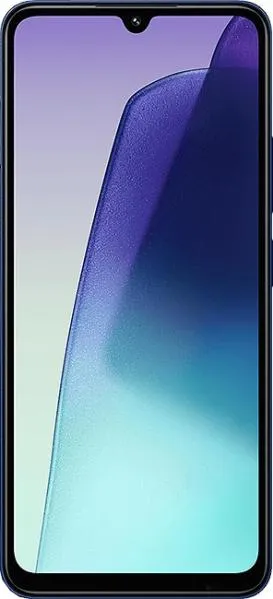
1. Specifications Comparison
| Feature | Apple iPhone 15 | Xiaomi Redmi 14C | Practical Impact |
|---|---|---|---|
| Design | |||
| Dimensions | 147.6 x 71.6 x 7.8 mm | 171.9 x 77.8 x 8.2 mm | iPhone 15 is significantly smaller and lighter, easier for one-handed use and pocket portability. |
| Weight | 171g | 211g | Redmi 14C is noticeably heavier, potentially causing fatigue during extended use. |
| Build | Premium materials (assumed) | Likely plastic (inferred from price range) | iPhone 15 likely offers better durability and a more premium feel. |
| Display | |||
| Size | 6.1" | 6.88" | Redmi 14C offers a much larger screen for media consumption and multitasking, but may be less manageable for one-handed use. |
| Type | Super Retina XDR OLED | IPS LCD | iPhone 15's OLED provides significantly better contrast, deeper blacks, and wider viewing angles. |
| Resolution | 1179 x 2556 | 720 x 1640 | iPhone boasts much sharper visuals due to higher resolution and pixel density. |
| Refresh Rate | Not specified | 120Hz | Redmi 14C's 120Hz refresh rate results in smoother scrolling and animations, while the iPhone's refresh rate is unknown. |
| Peak Brightness | 2000 nits | Not specified | iPhone 15's superior peak brightness ensures excellent outdoor visibility. Redmi's unspecified peak brightness makes outdoor performance comparison difficult. |
| Performance | |||
| Chipset | Apple A16 Bionic (4nm) | Mediatek Helio G81 Ultra | A16 Bionic is significantly more powerful, enabling smoother performance in demanding tasks and games. |
| CPU | Hexa-core (2x3.46 GHz + 4x2.02 GHz) | Octa-core (2x2.0 GHz + 6x1.8 GHz) | iPhone 15 offers superior processing power due to higher clock speeds and architectural advantages. |
| GPU | Apple GPU (5-core) | Mali-G52 MC2 | iPhone 15's GPU provides significantly better graphics performance for gaming and visually intensive applications. |
| RAM | 6GB | 6GB/8GB | While both offer ample RAM for everyday tasks, the 8GB option on the Redmi 14C might offer slightly better multitasking performance in specific scenarios. |
| Battery | |||
| Capacity | 3349 mAh | 5160 mAh | Redmi 14C offers significantly longer battery life due to its larger battery capacity. |
| Camera | |||
| Video Capabilities | Up to 4K@60fps, 1080p@240fps | 1080p@30fps | iPhone 15 offers vastly superior video recording capabilities with higher resolution, frame rates, and HDR support. Detailed camera specifications are missing for both, limiting a full analysis. |
| Other | |||
| OS | iOS 17 | Android 14 | Offers different user experiences; iOS is known for simplicity and a tightly controlled ecosystem, while Android offers greater customization. |
| Storage | 256GB/512GB | 128GB | iPhone 15 provides larger storage options. |
| Sensors | Face ID, accelerometer, gyro, proximity, compass, barometer | accelerometer, compass, fingerprint sensor | iPhone 15 offers a wider array of sensors, including Face ID for secure biometric authentication. |
2. Key Differences Analysis
iPhone 15 Advantages:
- Significantly more powerful: The A16 Bionic chip delivers superior performance for demanding tasks and gaming.
- Superior display: OLED technology provides much better image quality.
- More compact and premium design: Easier to handle and likely more durable.
- Advanced video recording capabilities: Supports higher resolutions and frame rates.
- Broader sensor array: Includes Face ID and other sensors for enhanced functionality.
Xiaomi Redmi 14C Advantages:
- Much larger battery: Significantly longer battery life.
- Larger display: More immersive experience for media consumption.
- Higher refresh rate: Smoother scrolling and animations (iPhone's refresh rate is unknown, making direct comparison difficult).
- Potentially lower price: Within the same price range but likely at the lower end.
Trade-offs:
- Performance vs. Battery Life: iPhone 15 prioritizes performance, while Redmi 14C focuses on battery life.
- Premium Design vs. Affordability: iPhone 15 likely commands a higher price for its premium materials and features.
- One-handed Use vs. Screen Size: iPhone 15's smaller size makes it easier to handle, but Redmi 14C offers a larger display.
3. User Profiles & Recommendations
iPhone 15: Users who prioritize performance, a premium experience, a compact form factor, and advanced camera features. Ideal for demanding tasks, gaming, content creation, and users who value a polished user experience.
Xiaomi Redmi 14C: Users who prioritize battery life, a large display for media consumption, and affordability. Ideal for casual users, students, and those who primarily use their phone for browsing, social media, and watching videos.
4. Decision Framework
Key Questions:
- What is your budget? The iPhone 15 is likely more expensive.
- What are your primary phone usage patterns? Gaming and demanding tasks vs. casual use and media consumption.
- Which features are most important to you? Performance, camera quality, battery life, display size, or software experience.
My Choice:
I would choose the iPhone 15. While the Redmi 14C offers a compelling battery life and larger display, I prioritize performance, a premium user experience, and a compact form factor. The A16 Bionic chip, superior display, and more advanced camera features of the iPhone 15 align better with my needs and usage patterns. I am willing to compromise on battery life for the significant performance gains and overall quality offered by the iPhone 15. The lack of specific details about the iPhone's refresh rate and the Redmi 14C's peak brightness makes a completely informed decision challenging, but the available information points towards the iPhone 15 being a more powerful and feature-rich device.
