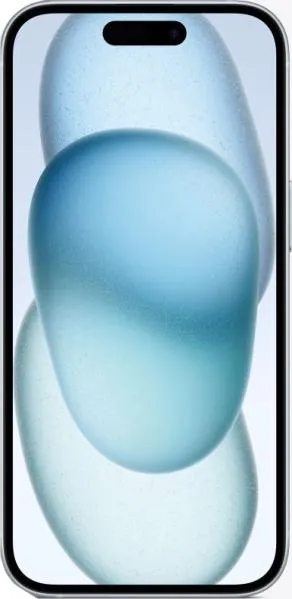
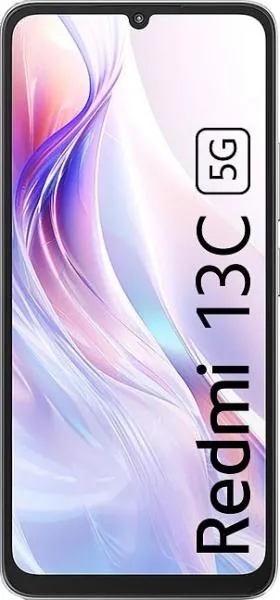
1. Specifications Comparison
| Feature | Apple iPhone 15 | Xiaomi Redmi 13C 5G | Practical Impact |
|---|---|---|---|
| Design | |||
| Dimensions | 147.6x71.6x7.8mm | 168x78x8.1mm | iPhone 15 is significantly smaller and lighter, easier for one-handed use and pocket portability. |
| Weight | 171g | 192g | Reinforces the portability advantage of the iPhone 15. |
| Build | Not specified | Not specified | Material differences could impact durability and premium feel; information is lacking. |
| Display | |||
| Size | 6.1" | 6.74" | Redmi offers a larger screen for media consumption, but may be less comfortable for one-handed use. |
| Type | Super Retina XDR OLED | IPS LCD | iPhone's OLED provides significantly better contrast, deeper blacks, and wider viewing angles. |
| Resolution | 1179x2556 | 720x1600 | iPhone has a much sharper display (461 ppi vs 260 ppi), resulting in clearer text and images. |
| Refresh Rate | Not specified, likely 60Hz | 90Hz | Redmi's 90Hz display will feel smoother for scrolling and animations. |
| Peak Brightness | 2000 nits | 600 nits (HBM) | iPhone will be significantly more visible in direct sunlight. |
| Performance | |||
| Chipset | Apple A16 Bionic (4 nm) | Mediatek Dimensity 6100+ (6 nm) | A16 is a flagship chipset known for exceptional performance and efficiency; Dimensity 6100+ targets mid-range performance. |
| CPU | Hexa-core (2x3.46 GHz + 4x2.02 GHz) | Octa-core (2x2.2 GHz + 6x2.0 GHz) | Core count difference is less relevant than architectural differences; expect significantly faster performance from the A16. |
| GPU | Apple GPU (5-core) | Mali-G57 MC2 | A16's GPU will offer superior gaming and graphics performance. |
| RAM | 6GB | 6GB | RAM is equal, but how efficiently it's utilized depends on the respective OS and software optimization. |
| Storage | 256GB/512GB | 128GB | iPhone offers larger storage options. |
| Camera | |||
| Rear Camera | Not specified | Not specified | Insufficient information to compare camera quality. |
| Video | Up to 4K@60fps, 1080p@240fps | 1080p@30fps | iPhone offers significantly higher resolution and frame rate video recording capabilities. |
| Battery | |||
| Capacity | 3349 mAh | 5000 mAh | Redmi has a much larger battery capacity, likely translating to longer battery life. |
| Other | |||
| OS | iOS 17 | Android 13 | Different operating systems cater to different preferences; impacts app ecosystem, customization options, and user interface. |
| NFC | True | False | iPhone supports contactless payments and other NFC functionalities; Redmi does not. |
2. Key Differences Analysis
iPhone 15 Advantages:
- Performance: Significantly faster processor and graphics.
- Display: Superior display quality with higher resolution, brightness, and OLED technology.
- Premium Feel: Likely smaller bezels, better materials (though not specified), contributing to a more premium feel.
- Software & Ecosystem: iOS known for its smooth performance, regular updates, and robust app ecosystem.
- Video Recording: More versatile and higher quality video recording.
Redmi 13C 5G Advantages:
- Battery Life: Significantly larger battery capacity.
- Larger Display: More screen real estate for media consumption.
- Higher Refresh Rate: Smoother scrolling and animations due to 90Hz.
- Price: Likely more affordable given its specifications.
3. User Profiles & Recommendations
iPhone 15 Ideal User:
- Users prioritizing performance, premium design, a vibrant display, and seamless software experience.
- Individuals heavily reliant on mobile photography/videography (assuming iPhone 15 maintains Apple's camera quality).
- Users invested in the Apple ecosystem.
Redmi 13C 5G Ideal User:
- Budget-conscious users prioritizing battery life and a large display for media consumption.
- Users who prefer Android's customization options.
- Light users who don't demand top-tier performance.
4. Decision Framework
Key Questions for Buyers:
- What is your budget? The iPhone 15 will likely be significantly more expensive.
- What are your performance needs? For demanding tasks and gaming, the iPhone 15 is far superior.
- What are your priorities? Battery life vs. display quality, performance vs. price, iOS vs. Android.
My Choice: Apple iPhone 15
While lacking specific camera details and build materials limits a truly comprehensive comparison, the iPhone 15's superior performance, vibrant display, and premium feel (inferred from historical Apple design) outweigh the Redmi 13C 5G's advantages in battery life and screen size for my personal needs. I prioritize a smooth, responsive user experience, a high-quality display, and a device that can handle demanding tasks. The likely price difference is justifiable for the significant performance and quality gap. Furthermore, the lack of NFC on the Redmi is a significant drawback for me.
