
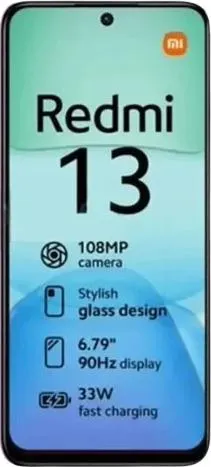
1. Specifications Comparison
| Feature | Apple iPhone 15 | Xiaomi Redmi 13 | Practical Impact |
|---|---|---|---|
| Design | |||
| Dimensions | 147.6 x 71.6 x 7.8 mm | 168.6 x 76.3 x 8.3 mm | iPhone 15 is significantly smaller and lighter, easier for one-handed use and pocket portability. Redmi 13 is larger, potentially better for media consumption but less pocketable. |
| Weight | 171g | 205g | iPhone 15 is noticeably lighter, reducing hand fatigue during extended use. |
| Build Materials | Not specified | Not specified | Material differences impact durability and premium feel. This information is missing. |
| Display | |||
| Display Type | Super Retina XDR OLED | IPS LCD | iPhone 15's OLED offers superior contrast, deeper blacks, and more vibrant colors. Redmi 13's IPS LCD is generally less power-efficient and has poorer color reproduction. |
| Size | 6.1" | 6.79" | Redmi 13 provides a larger screen for more immersive media viewing and multitasking. iPhone 15's smaller size benefits one-handed usability. |
| Resolution | 1179 x 2556 | 1080 x 2460 | iPhone 15 boasts a sharper display with higher pixel density (461 ppi vs 396 ppi), resulting in crisper text and images. |
| Refresh Rate | Not specified | 90Hz | A higher refresh rate on Redmi 13 results in smoother scrolling and animations. Missing refresh rate data for iPhone 15 hinders comparison. |
| Peak Brightness | 2000 nits | 550 nits | iPhone 15's significantly higher peak brightness ensures excellent outdoor visibility. |
| Performance | |||
| Chipset | Apple A16 Bionic (4 nm) | Mediatek Helio G91 Ultra (12 nm) | A16 Bionic is a flagship chipset known for its superior performance and efficiency. Helio G91 Ultra targets mid-range performance. Expect significantly faster performance and better graphics on the iPhone 15. |
| CPU | Hexa-core | Octa-core | Core count alone doesn't indicate performance. A16's architecture and individual core performance are likely superior. |
| GPU | Apple GPU (5-core) | Mali-G52 MC2 | Apple's GPU generally outperforms Mali GPUs in this class, leading to smoother gaming and graphics-intensive tasks on the iPhone 15. |
| RAM | 6GB | 8GB | While Redmi 13 has more RAM, iOS's memory management often allows iPhones to perform efficiently with less RAM. Real-world multitasking performance depends on optimization. |
| Storage | 256/512GB | 256GB | Both offer ample storage for most users. |
| Battery | |||
| Capacity | 3349 mAh | 5030 mAh | Redmi 13 has a significantly larger battery, potentially offering longer battery life. Real-world usage varies based on software optimization and usage patterns. |
| Camera | |||
| Video Capabilities | Up to 4K@60fps, 1080p@240fps | 1080p@30fps | iPhone 15 offers significantly better video recording capabilities with higher resolution, frame rates, and HDR support. |
| Specific sensor details | Missing for both | Missing for both | Detailed sensor specifications (e.g., sensor size, aperture) are crucial for evaluating camera quality. |
2. Key Differences Analysis
iPhone 15 Advantages:
- Superior Performance: A16 Bionic chip offers significantly faster processing and graphics.
- Premium Display: OLED technology provides vibrant colors, deeper blacks, and higher brightness.
- Compact Design: Smaller and lighter form factor enhances portability and one-handed use.
- Advanced Video Recording: Supports higher resolutions, frame rates, and HDR.
Redmi 13 Advantages:
- Larger Battery: Potentially longer battery life.
- Larger Display: More immersive experience for media consumption.
- Lower Price: Significantly more affordable.
3. User Profiles & Recommendations
iPhone 15: Users prioritizing performance, premium display quality, compact design, a robust app ecosystem, and advanced camera features. Ideal for demanding tasks, gaming, content creation, and users who value a seamless user experience.
Redmi 13: Budget-conscious users seeking a large display for media consumption and long battery life. Suitable for casual gaming, social media, and general use.
4. Decision Framework
Key Questions for Buyers:
- What is your budget? The iPhone 15 is significantly more expensive.
- What are your performance requirements? The iPhone 15 offers a substantial performance advantage.
- What screen size and display quality do you prefer? Redmi 13 offers a larger display, while iPhone 15 provides superior image quality.
My Choice: Apple iPhone 15
While the Redmi 13 offers a compelling price-to-value ratio with its large battery and display, the iPhone 15's superior performance, premium display, more compact form factor, and advanced camera capabilities align better with my personal priorities. I value a smooth and responsive user experience, excellent image quality, and portability. The higher price is justified for the significant jump in overall quality and long-term software support that Apple provides. While battery life might be a concern, I prioritize performance and user experience over marginally longer battery duration.
