1. Specifications Comparison
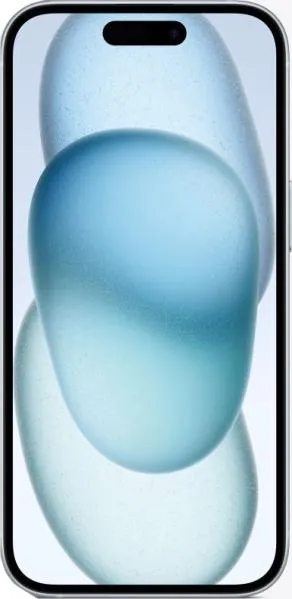
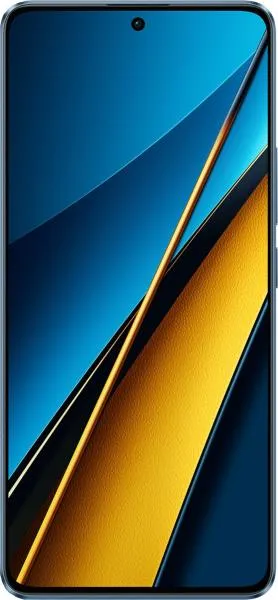
| Feature | Apple iPhone 15 | Xiaomi Poco X6 | Practical Impact |
|---|---|---|---|
| Design | |||
| Dimensions | 147.6x71.6x7.8mm | 161.2x74.3x8mm | Poco X6 is noticeably larger and slightly thicker. iPhone 15 is more pocketable and one-hand friendly. |
| Weight | 171g | 181g | iPhone 15 is lighter, reducing hand fatigue during extended use. |
| Build | Missing | Missing | Build materials (e.g., aluminum vs. plastic) impact durability and premium feel. This information is missing. |
| Display | |||
| Size | 6.1" | 6.67" | Poco X6 offers a significantly larger screen for more immersive media consumption and multitasking. |
| Type | Super Retina XDR OLED | AMOLED | Both are high-quality display technologies with vibrant colors and deep blacks. |
| Resolution | 1179x2556 | 1220x2712 | Poco X6 has a slightly higher resolution, but the difference in sharpness is negligible at these sizes. |
| Refresh Rate | Missing | 120Hz | 120Hz on the Poco X6 results in smoother scrolling and animations compared to a standard 60Hz (assumed for iPhone 15, but missing). |
| Peak Brightness | 2000 nits | 1800 nits | iPhone 15 can get slightly brighter, improving outdoor visibility. |
| Performance | |||
| Chipset | Apple A16 Bionic (4 nm) | Snapdragon 7s Gen 2 (4 nm) | A16 is generally considered more powerful, leading to faster app loading, smoother multitasking, and better gaming performance. |
| CPU | Hexa-core | Octa-core | Core count alone doesn't determine performance. A16's architecture likely provides a performance advantage. |
| GPU | Apple GPU (5-core) | Adreno 710 | A16's GPU is likely more powerful, benefiting graphically demanding games and tasks. |
| RAM | 6GB | 12GB | Poco X6's larger RAM allows for more apps to run in the background without reloading. |
| Storage | 256/512GB | 256/512GB | Both offer comparable storage options. |
| Battery | |||
| Capacity | 3349 mAh | 5100 mAh | Poco X6 has a significantly larger battery, likely resulting in much longer battery life. |
| Software | |||
| OS | iOS 17 | Android 13 | iOS and Android offer distinct user experiences with different app ecosystems, customization options, and privacy approaches. User preference is key. |
2. Key Differences Analysis
iPhone 15 Advantages:
- Compact Size and Lighter Weight: More comfortable for one-handed use and portability.
- Likely Superior Performance: A16 Bionic chip offers a significant performance advantage.
- Brighter Display: Better visibility in direct sunlight.
Poco X6 Advantages:
- Larger Display and Higher Refresh Rate: More immersive media consumption and smoother scrolling.
- Significantly Larger Battery: Potentially much longer battery life.
- More RAM: Better multitasking performance.
- Lower Expected Price: While both are "medium priced," Poco phones generally offer greater value for money.
3. User Profiles & Recommendations
iPhone 15: Users prioritizing a compact, premium phone with top-tier performance, a bright display, and the iOS ecosystem. Ideal for those who value one-handed usability and a seamless user experience.
Poco X6: Users who prioritize a large display, long battery life, smooth scrolling, and value for money. Suitable for heavy media consumers, multitaskers, and gamers on a budget.
4. Decision Framework
Key Questions:
- What screen size do you prefer? Compact or large?
- How important is battery life? One day or multiple days?
- What operating system do you prefer? iOS or Android?
Scenario-Based Recommendations:
- Heavy media consumer: Poco X6
- One-handed use prioritized: iPhone 15
- Gamer: Poco X6 for its larger screen and higher RAM, but acknowledge the A16's superior GPU might provide better performance in some games. More benchmarks are needed.
- Budget-conscious buyer: Poco X6
My Choice: Xiaomi Poco X6
While I appreciate the iPhone's compact size and performance, the Poco X6's larger battery, 120Hz display, and greater value proposition are more compelling to me. I prioritize battery life and a smooth user experience, and the Poco X6 delivers in these areas. The larger display is also a plus for media consumption and multitasking. While the A16 Bionic is likely more powerful, the Snapdragon 7s Gen 2 should be sufficient for my needs. Ultimately, the combination of features and expected lower price makes the Poco X6 the better choice for me.
