1. Specifications Comparison
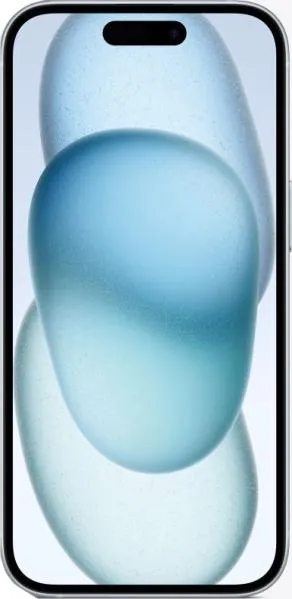
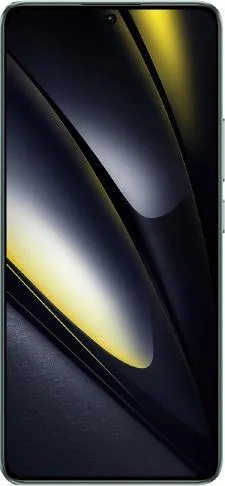
| Feature | Apple iPhone 15 | Xiaomi Poco F6 | Practical Impact |
|---|---|---|---|
| Design | |||
| Dimensions | 147.6x71.6x7.8mm | 160.5x74.5x8mm | Poco F6 is larger and slightly thicker. iPhone 15 is more pocketable and easier to handle with one hand. |
| Weight | 171g | 179g | iPhone 15 is slightly lighter, reducing hand fatigue during extended use. |
| Build | Not specified | Not specified | Build materials impact durability and premium feel. This information is missing. |
| Display | |||
| Size | 6.1" | 6.67" | Poco F6 offers a significantly larger screen for more immersive media consumption and multitasking. |
| Type | Super Retina XDR OLED | AMOLED | Both are high-quality display technologies with vibrant colors and deep blacks. |
| Resolution | 1179x2556 | 1220x2712 | Poco F6 has a slightly higher resolution, but the difference in sharpness is negligible at these sizes. |
| Refresh Rate | Not specified | 120Hz | 120Hz on the Poco F6 provides smoother scrolling and animations, resulting in a more fluid user experience. The lack of refresh rate info for iPhone 15 is a significant omission. |
| Peak Brightness | 2000 nits | 2400 nits | Poco F6 can get brighter, improving outdoor visibility in direct sunlight. |
| Performance | |||
| Chipset | Apple A16 Bionic (4 nm) | Qualcomm Snapdragon 8s Gen 3 (4 nm) | Both are flagship-level chipsets promising excellent performance. Real-world differences would depend on specific tasks and optimization. Cross-platform benchmarks are needed for a definitive comparison. |
| CPU | Hexa-core | Octa-core | Core count alone doesn't determine performance. Architecture and clock speeds are equally important. Both should handle demanding tasks with ease. |
| GPU | Apple GPU (5-core) | Adreno 735 | Gaming performance needs further testing. Adreno GPUs generally excel in Android gaming. |
| RAM | 6GB | 12GB | Poco F6 has double the RAM, enabling better multitasking and potentially keeping more apps open in the background. |
| Storage | 256GB/512GB | 512GB | Comparable storage options at the high end. |
| Battery | |||
| Capacity | 3349 mAh | 5000 mAh | Poco F6 boasts significantly larger battery capacity, likely translating to much longer battery life. |
| Other | |||
| OS | iOS 17 | Android 14 | OS preference is subjective. iOS is known for simplicity and a tightly controlled ecosystem, while Android offers more customization. |
| Sensors | Face ID, accelerometer, gyro, proximity, compass, barometer | accelerometer, gyro, compass, Fingerprint (under display) | Both offer standard sensors. iPhone 15 features Face ID for biometric authentication, while Poco F6 utilizes an in-display fingerprint sensor. User preference dictates which is better. |
2. Key Differences Analysis
iPhone 15 Advantages:
- More compact and lightweight: Easier for one-handed use and portability.
- Potentially better optimized software: Apple's tight integration of hardware and software often results in smoother performance.
Poco F6 Advantages:
- Larger Display and higher refresh rate: More immersive media consumption and smoother user experience.
- Significantly larger battery: Longer battery life for extended usage.
- More RAM: Better multitasking performance.
- Brighter Display: Easier readability in direct sunlight.
3. User Profiles & Recommendations
iPhone 15: Users who prioritize a compact, premium phone with a smooth user experience and value the iOS ecosystem. Ideal for those seeking one-handed usability and seamless integration with other Apple devices.
Poco F6: Users who prioritize a large display, long battery life, strong performance for gaming and multitasking, and prefer the flexibility of Android. Ideal for power users and media consumers.
4. Decision Framework
Key Questions:
- What screen size and form factor do you prefer? Compact or large? One-handed use or immersive media consumption?
- How important is battery life?
- Which operating system do you prefer - iOS or Android?
Scenario-based Recommendations:
- Heavy media consumer: Poco F6 due to the larger display and battery.
- One-handed use and portability: iPhone 15 due to its smaller size and lighter weight.
- Gamer: Poco F6 due to larger display, higher refresh rate, and more RAM, although further gaming benchmarks are needed for a conclusive recommendation.
My Choice: Xiaomi Poco F6
While the iPhone 15 likely offers a polished and optimized experience, the Poco F6's significantly larger battery, higher refresh rate display, and doubled RAM are compelling advantages for my usage. I prioritize battery life and a smooth, responsive user experience, making the Poco F6 the better fit for my needs. The larger display is also beneficial for media consumption and multitasking. While I acknowledge iOS has its strengths, I prefer the customization and flexibility offered by Android. Finally, the lack of specified refresh rate for the iPhone 15 is a significant concern. A modern flagship phone omitting this information raises a red flag.
