
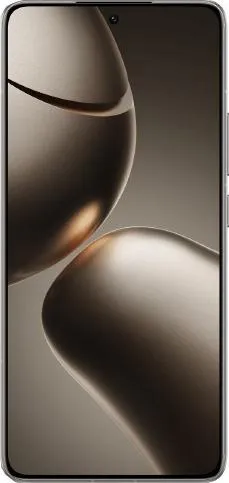
1. Specifications Comparison
| Feature | Apple iPhone 15 | Xiaomi 14T Pro | Practical Impact |
|---|---|---|---|
| Design | |||
| Dimensions | 147.6 x 71.6 x 7.8 mm | 160.4 x 75.1 x 8.4 mm | Xiaomi 14T Pro is noticeably larger and thicker. |
| Weight | 171g | 209g | iPhone 15 is significantly lighter and easier for one-handed use. |
| Build Materials | Not specified | Not specified | Build quality and durability cannot be compared without further information. |
| Display | |||
| Display Size | 6.1" | 6.67" | Xiaomi offers a larger display for more immersive media consumption and multitasking. |
| Display Type | Super Retina XDR OLED | AMOLED | Both are high-quality display technologies, but practical differences in color accuracy and power efficiency are unclear without further data. |
| Resolution | 1179 x 2556 | 1220 x 2712 | Xiaomi has a slightly higher resolution, though the difference in sharpness may be negligible at these screen sizes. |
| Refresh Rate | Not specified | 144Hz | The 144Hz refresh rate on the Xiaomi will result in visibly smoother scrolling and animations. |
| Peak Brightness | 2000 nits | 4000 nits | Xiaomi's display will be significantly brighter and more readable in direct sunlight. |
| Performance | |||
| Chipset | Apple A16 Bionic (4 nm) | Mediatek Dimensity 9300+ (4 nm) | Both are high-end chipsets, but real-world performance comparisons require benchmark testing. |
| CPU | Hexa-core | Octa-core | Core count alone doesn't determine performance; architecture and clock speeds matter more. Practical performance differences need further benchmarking. |
| GPU | Apple GPU (5-core graphics) | Immortalis-G720 MC12 | Gaming performance differences need real-world testing and comparisons. |
| RAM | 6GB | 12GB | The Xiaomi has significantly more RAM, enabling better multitasking and smoother performance with demanding applications. |
| Storage | 256GB/512GB | 512GB | Comparable base storage, but the iPhone offers a smaller 256GB option. |
| Camera | |||
| Video Capabilities | Up to 4K@60fps | Up to 8K@30fps | Xiaomi can record higher resolution video. Practical differences in video quality depend on sensor size, stabilization, and processing, which are not fully specified. |
| Specific Sensor Details | Not specified | Not specified | Image quality comparison is impossible without details about sensor size, aperture, and other camera features. |
| Battery | |||
| Capacity | 3349 mAh | 5000 mAh | The Xiaomi has a much larger battery, likely resulting in significantly longer battery life. |
2. Key Differences Analysis
iPhone 15 Advantages:
- Lighter and more compact: Easier for one-handed use and portability.
- Potentially better optimized software: iOS is known for its optimization with Apple hardware, potentially leading to smoother performance and longer software support.
Xiaomi 14T Pro Advantages:
- Larger, brighter, and smoother display: More immersive media consumption and gaming experience.
- Significantly larger battery: Potentially much longer battery life.
- More RAM: Better multitasking performance.
- Higher resolution video recording: Ability to capture more detail.
Trade-offs:
- The Xiaomi's larger size and weight may be less comfortable for some users.
- The iPhone's smaller battery may require more frequent charging.
3. User Profiles & Recommendations
iPhone 15: Users prioritizing a compact and lightweight phone with a smooth user experience and a strong ecosystem. Ideal for users who value one-handed usability and software updates.
Xiaomi 14T Pro: Users who prioritize a large, high-refresh-rate display, long battery life, and powerful performance for demanding tasks like gaming and media consumption.
4. Decision Framework
Key Questions:
- What size and weight phone do you prefer?
- How important is battery life to you?
- What is your budget and which features are most important?
My Choice: Xiaomi 14T Pro
While the iPhone 15 likely offers a refined and optimized experience, the Xiaomi 14T Pro's combination of a larger, brighter, 144Hz display, significantly larger battery, and more RAM makes it a more compelling device for me. I prioritize battery life and a smooth, immersive visual experience, and the Xiaomi delivers strongly in these areas. The larger size is a trade-off I'm willing to make for these benefits. The potentially higher sustained performance due to the larger RAM capacity is also a significant factor for long-term usability. While lacking information on specific camera sensors makes a definitive judgment impossible, the 8K recording capability on the Xiaomi offers intriguing possibilities. Ultimately, the Xiaomi 14T Pro seems to provide more value for its price range in terms of raw specifications and potential user experience.
