
1. Specifications Comparison
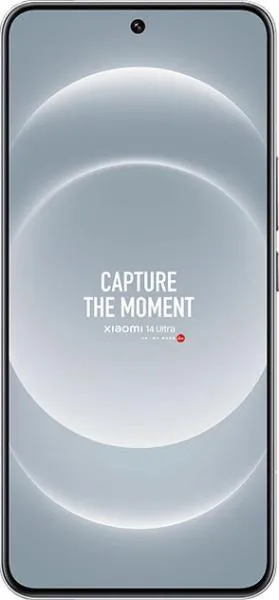
| Feature | Apple iPhone 15 | Xiaomi 14 Ultra | Practical Impact |
|---|---|---|---|
| Design | |||
| Dimensions | 147.6 x 71.6 x 7.8 mm | 161.4 x 75.3 x 9.2 mm | iPhone 15 is significantly smaller and lighter, easier for one-handed use and pocket portability. Xiaomi 14 Ultra is larger and heavier, potentially less comfortable for extended use. |
| Weight | 171g | 229.5g | Reinforces the difference in portability and one-handed usability. |
| Display | |||
| Size | 6.1" | 6.73" | Xiaomi 14 Ultra offers a larger screen for more immersive media consumption and multitasking. iPhone 15's smaller size benefits portability. |
| Type | Super Retina XDR OLED | LTPO AMOLED | Both are high-quality displays. LTPO on the Xiaomi allows for dynamic refresh rate adjustment, potentially saving battery. |
| Resolution | 1179 x 2556 | 1440 x 3200 | Xiaomi 14 Ultra has a sharper display due to higher resolution and pixel density. |
| Refresh Rate | Not specified | 120Hz | 120Hz on Xiaomi 14 Ultra results in smoother animations and scrolling compared to the iPhone 15's unspecified refresh rate (likely 60Hz). |
| Peak Brightness | 2000 nits | 3000 nits | Xiaomi 14 Ultra should offer better visibility in direct sunlight. |
| Performance | |||
| Chipset | Apple A16 Bionic (4 nm) | Qualcomm Snapdragon 8 Gen 3 (4 nm) | Both are top-tier chipsets from their respective manufacturers. Real-world performance differences will likely be subtle for everyday tasks. |
| CPU | Hexa-core | Octa-core | Core count doesn't directly translate to performance; architecture and optimization are key. Expect both phones to handle demanding tasks well. |
| GPU | Apple GPU (5-core) | Adreno 750 | Gaming performance likely favors the Xiaomi 14 Ultra due to the generally stronger Adreno 750 GPU. |
| RAM | 6GB | 16GB | Xiaomi 14 Ultra's significantly larger RAM allows for more apps to run in the background without reloading, improving multitasking. |
| Storage | 256GB/512GB | 512GB | Xiaomi offers more RAM in its base configuration, impacting multitasking performance. |
| Battery | |||
| Capacity | 3349 mAh | 5000 mAh | Xiaomi 14 Ultra's significantly larger battery capacity likely translates to much longer battery life. |
| Camera | |||
| Video Capabilities | Up to 4K@60fps, 1080p@240fps | Up to 8K@30fps, 4K@120fps, 1080p@1920fps | Xiaomi 14 Ultra supports higher resolution and frame rate video recording, providing more flexibility for content creation. |
2. Key Differences Analysis
iPhone 15 Advantages:
- Smaller and Lighter: Significantly more pocketable and comfortable for one-handed use.
- Potentially Longer Software Support: Apple is known for providing longer software updates compared to Android manufacturers.
Xiaomi 14 Ultra Advantages:
- Larger, Sharper, and Smoother Display: More immersive media consumption and better multitasking experience.
- Significantly Larger Battery: Potentially much longer battery life.
- More Powerful GPU: Advantageous for gaming and other graphically demanding tasks.
- More RAM: Superior multitasking performance.
- More Advanced Video Recording Capabilities: More options for content creators.
3. User Profiles & Recommendations
iPhone 15: Users who prioritize a compact and lightweight phone, value ease of use and a seamless software experience, and don't require the absolute best in performance or battery life.
Xiaomi 14 Ultra: Users who prioritize a large and immersive display, demand top-tier performance for gaming or content creation, need long battery life, and value advanced camera features. Power users and photography enthusiasts.
4. Decision Framework
Key Questions for Buyers:
- What size phone do you prefer? Do you prioritize one-handed usability and pocketability or a larger screen for media consumption?
- How important is battery life? Is all-day battery essential, or are you okay with charging more frequently?
- What are your primary use cases? Are you a casual user, a gamer, a content creator, or a power user?
My Choice: Xiaomi 14 Ultra
While I appreciate the compact size and ease of use of the iPhone 15, the Xiaomi 14 Ultra's superior display, significantly longer battery life, more powerful performance, and advanced camera features are more compelling to me. The larger RAM also significantly benefits my multitasking needs. I'm willing to compromise on size and weight for the substantial gains in other areas. The 120Hz refresh rate alone is a significant quality-of-life improvement for daily use. As someone who values performance, a great screen, and long battery life, the Xiaomi 14 Ultra better fits my needs.
