1. Specifications Comparison
| Feature | Apple iPhone 15 | Xiaomi 13T Pro | Practical Impact |
|---|---|---|---|
| Design | |||
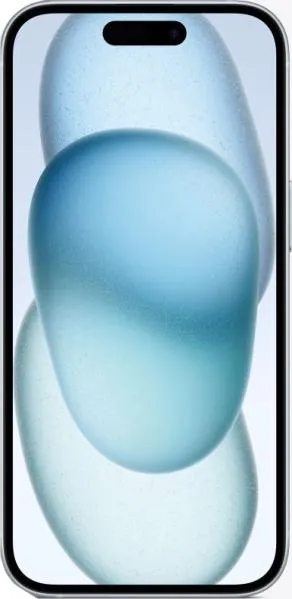
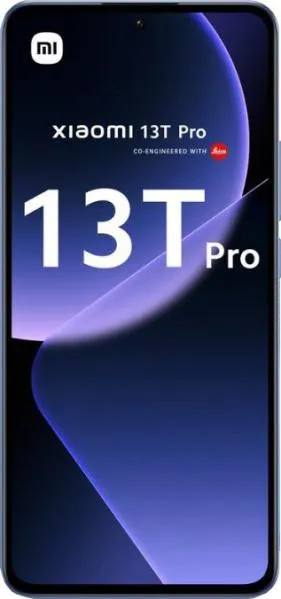
| Dimensions | 147.6x71.6x7.8mm | 162.2x75.7x8.5mm | The iPhone 15 is significantly smaller and lighter, making it more pocketable and comfortable for one-handed use. The Xiaomi 13T Pro is larger and heavier. |
| Weight | 171g | 200g | Reinforces the difference in portability; 29g is noticeable in hand. |
| Display | |||
| Size | 6.1" | 6.67" | The Xiaomi 13T Pro offers a larger screen for more immersive media consumption and multitasking, while the iPhone 15 prioritizes one-handed usability. |
| Type | Super Retina XDR OLED | AMOLED | Both are high-quality display technologies with excellent color accuracy and contrast. |
| Resolution | 1179x2556 | 1220x2712 | The Xiaomi 13T Pro has a slightly higher resolution, but the difference in sharpness is negligible in real-world use due to its larger size. |
| Refresh Rate | Not specified | 144Hz | The 144Hz refresh rate on the Xiaomi 13T Pro will result in noticeably smoother scrolling and animations compared to the iPhone 15 (assumed 60Hz). |
| Peak Brightness | 2000 nits | 2600 nits | The Xiaomi 13T Pro can get significantly brighter, making it easier to see outdoors in direct sunlight. |
| Performance | |||
| Chipset | Apple A16 Bionic (4 nm) | Mediatek Dimensity 9200+ (4 nm) | Both are flagship chipsets offering top-tier performance. Benchmarking would be needed for precise comparison. |
| CPU | Hexa-core | Octa-core | Core count doesn't directly translate to real-world performance; both CPUs should handle demanding tasks with ease. |
| GPU | Apple GPU (5-core) | Immortalis-G715 MC11 | Gaming performance likely favors the Xiaomi with its more powerful GPU, but real-world testing is necessary. |
| RAM | 6GB | 12GB/16GB | The Xiaomi 13T Pro offers significantly more RAM, enabling better multitasking and potentially smoother performance with memory-intensive applications. |
| Storage | 256GB/512GB | 512GB/1TB | The Xiaomi offers a 1TB storage option for users needing vast local storage. |
| Battery | |||
| Capacity | 3349 mAh | 5000 mAh | The significantly larger battery in the Xiaomi 13T Pro suggests significantly longer battery life. |
| Camera | |||
| Video Capabilities | Up to 4K@60fps, 1080p@240fps | Up to 8K@24fps, 4K@60fps, 1080p@240fps | The Xiaomi 13T Pro offers 8K video recording, while both offer similar slow-motion capabilities. The practical benefit of 8K depends on the user's display devices and editing workflow. |
| Other specs | Missing details for comprehensive comparison. | Missing details for comprehensive comparison. | Detailed camera sensor specifications (size, aperture) are needed for in-depth camera comparison. |
2. Key Differences Analysis
iPhone 15 Advantages:
- Smaller and Lighter: More comfortable for one-handed use and portability.
- Potentially Better Optimized Software: iOS is known for its tight integration with Apple hardware, potentially leading to smoother performance and longer software support.
Xiaomi 13T Pro Advantages:
- Larger Display and Higher Refresh Rate: More immersive media experience and smoother UI interactions.
- Larger Battery: Significantly longer battery life.
- More RAM: Better multitasking and performance with demanding applications.
- Higher Peak Brightness: Improved outdoor visibility.
- 8K Video Recording: Future-proof video recording option.
3. User Profiles & Recommendations
iPhone 15: Users prioritizing a compact, premium phone with a seamless user experience. Ideal for those who value one-handed usability, software updates, and ecosystem integration.
Xiaomi 13T Pro: Users who prioritize performance, battery life, and a large, high-refresh-rate display. Suitable for power users, gamers, and multimedia enthusiasts.
4. Decision Framework
Key Questions:
- What screen size and portability do you prefer?
- How important is battery life to you?
- What is your budget and storage needs?
My Choice: Xiaomi 13T Pro
While I appreciate the iPhone's compact size and ecosystem, the Xiaomi 13T Pro offers a compelling combination of performance, battery life, and display quality that better suits my needs. The 144Hz refresh rate, larger battery, and powerful chipset are significant advantages for my usage, which includes gaming, multimedia consumption, and multitasking. The larger display is also preferable for my workflow. Although 8K recording is not a critical feature for me, it offers future-proofing. I acknowledge that iOS often provides a more optimized experience, but the hardware advantages of the Xiaomi 13T Pro outweigh that for me personally.
