1. Specifications Comparison
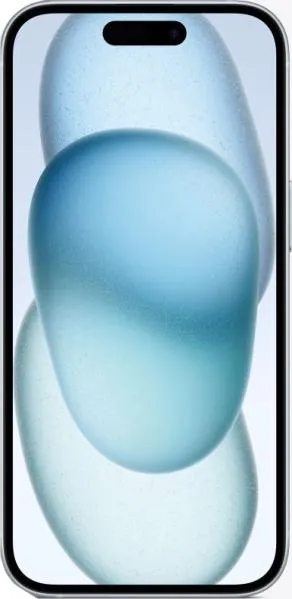
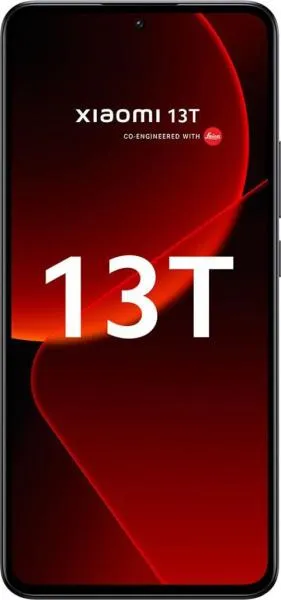
| Feature | Apple iPhone 15 | Xiaomi 13T | Practical Impact |
|---|---|---|---|
| Design | |||
| Dimensions | 147.6x71.6x7.8mm | 162.2x75.7x8.5mm | iPhone 15 is significantly smaller and thinner, making it more pocketable and easier to handle one-handed. |
| Weight | 171g | 213g | iPhone 15 is noticeably lighter, reducing hand fatigue during extended use. |
| Build | Not specified | Not specified | Build quality and materials can impact durability and premium feel. This information is missing. |
| Display | |||
| Size | 6.1" | 6.67" | Xiaomi 13T offers a larger screen for more immersive media consumption and multitasking. |
| Type | Super Retina XDR OLED | AMOLED | Both are high-quality display technologies with vibrant colors and deep blacks. |
| Resolution | 1179x2556 | 1220x2712 | Xiaomi 13T has a slightly higher resolution, but the difference in sharpness is negligible at these sizes. |
| Refresh Rate | Not specified, presumed 60Hz | 144Hz | 144Hz on the Xiaomi 13T provides a much smoother and more responsive user experience, especially noticeable in gaming and scrolling. |
| Peak Brightness | 2000 nits | 2600 nits | Xiaomi 13T can get brighter, improving outdoor visibility in direct sunlight. |
| Performance | |||
| Chipset | Apple A16 Bionic (4 nm) | Mediatek Dimensity 8200 Ultra (4 nm) | Both are powerful chipsets, but Apple's A16 generally leads in benchmarks. Real-world performance will be excellent on both. |
| CPU | Hexa-core | Octa-core | Core count doesn't directly translate to performance; architecture and optimization are key. Both should handle demanding tasks well. |
| GPU | Apple GPU (5-core) | Mali-G610 MC6 | Apple's GPU generally offers better gaming performance. |
| RAM | 6GB | 12GB | Xiaomi 13T's larger RAM allows for more apps to be held in memory, reducing reloading. |
| Storage | 256/512GB | 256GB | Both offer ample storage for most users. |
| Battery | |||
| Capacity | 3349 mAh | 5000 mAh | Xiaomi 13T has significantly larger battery capacity, likely translating to much longer battery life. |
| Camera | Not specified | Not specified | Detailed camera specifications (sensor size, aperture, lens type) are crucial for comparing image quality. This information is missing. |
| Software | |||
| OS | iOS 17 | Android 13 | iOS and Android offer different user experiences with distinct strengths and weaknesses; this is largely a matter of personal preference. |
2. Key Differences Analysis
iPhone 15 Advantages:
- Smaller and Lighter: More comfortable for one-handed use and portability.
- Likely Superior Performance: A16 Bionic generally outperforms Dimensity 8200 Ultra in benchmarks, particularly in graphics.
- iOS Ecosystem: Tight integration with other Apple devices and services.
Xiaomi 13T Advantages:
- Larger Display with Higher Refresh Rate: More immersive media consumption and smoother overall experience.
- Significantly Larger Battery: Potentially much longer battery life.
- More RAM: Better multitasking performance and less app reloading.
- Higher Peak Brightness: Better outdoor visibility.
3. User Profiles & Recommendations
iPhone 15: Users who prioritize a compact and lightweight phone, value iOS ecosystem, and require top-tier performance, but are less concerned about battery life or media consumption on a large screen.
Xiaomi 13T: Users who prioritize a large, high-refresh-rate display, long battery life, and multitasking capabilities. Gamers and heavy media consumers will appreciate the 144Hz display and larger screen.
4. Decision Framework
Key Questions for Buyers:
- What screen size and refresh rate do you prefer? Larger screen and higher refresh rate (Xiaomi 13T) or smaller, more pocketable phone (iPhone 15)?
- How important is battery life to you? Xiaomi 13T likely offers significantly longer battery life.
- Which operating system do you prefer? iOS (iPhone 15) or Android (Xiaomi 13T)?
My Choice: Xiaomi 13T
While the iPhone 15 likely offers a performance advantage and a more compact form factor, the Xiaomi 13T's combination of a 144Hz display, significantly larger battery, and more RAM is more compelling to me. The larger screen size is preferable for media consumption and productivity, and the smoother refresh rate enhances the overall user experience. Battery life is a crucial factor for me, and the Xiaomi 13T's 5000mAh battery promises all-day usage with ease. Although specific camera details are missing, the core features of the Xiaomi 13T better align with my priorities as a power user who values a fluid and responsive experience, long battery life, and a large display for both work and entertainment.
