
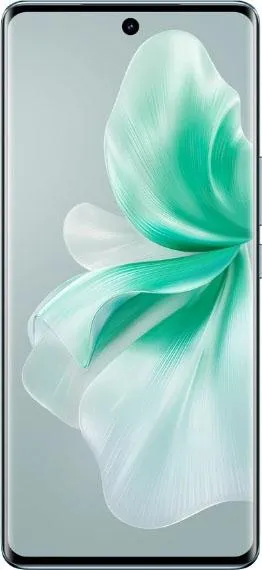
1. Specifications Comparison
| Feature | Apple iPhone 15 | vivo V30 | Practical Impact |
|---|---|---|---|
| Design | |||
| Dimensions | 147.6 x 71.6 x 7.8 mm | 164.4 x 75.1 x 7.5 mm | The iPhone 15 is significantly smaller and more pocketable, while the vivo V30 offers a larger screen estate. |
| Weight | 171g | 186g | The iPhone 15 is noticeably lighter, reducing hand fatigue during extended use. |
| Build | Unspecified | Unspecified | Material choice impacts durability and premium feel. Lack of information limits comparison. |
| Display | |||
| Size | 6.1" | 6.78" | Vivo V30 offers a much larger display, better for media consumption and multitasking but less one-handed friendly. |
| Type | Super Retina XDR OLED | AMOLED | Both are high-quality display technologies; expect vibrant colors and deep blacks. |
| Resolution | 1179 x 2556 | 1260 x 2800 | Vivo V30 has a slightly higher resolution, but the difference in sharpness is negligible at these sizes. |
| Refresh Rate | Unspecified | 120Hz | 120Hz on the Vivo V30 results in smoother scrolling and animations compared to a standard 60Hz (assumed for iPhone 15). |
| Peak Brightness | 2000 nits | 2800 nits | Vivo V30's higher peak brightness ensures better visibility in direct sunlight. |
| Performance | |||
| Chipset | Apple A16 Bionic (4 nm) | Qualcomm Snapdragon 7 Gen 3 (4 nm) | A16 is generally considered more powerful, potentially offering better performance in demanding tasks and gaming. |
| CPU | Hexa-core | Octa-core | Core count alone doesn't determine performance; architecture and clock speeds are crucial. |
| GPU | Apple GPU (5-core graphics) | Adreno 720 | Apple's GPUs are known for their strong performance. Direct comparison requires benchmarks. |
| RAM | 6GB | 8GB | Vivo V30's extra RAM might offer slightly better multitasking performance. |
| Storage | 256/512GB | 256GB | iPhone 15 offers a 512GB option for users needing more storage. |
| Battery | |||
| Capacity | 3349 mAh | 5000 mAh | Vivo V30's significantly larger battery likely translates to much longer battery life. |
| Camera | |||
| Rear Camera | Unspecified | Unspecified | Insufficient information to compare camera quality and features. |
| Video | Up to 4K@60fps, 1080p@240fps | Up to 4K@30fps | iPhone 15 offers more advanced video recording capabilities, including higher frame rates and resolutions. |
2. Key Differences Analysis
iPhone 15 Advantages:
- Compact Form Factor: Easier to handle and pocket.
- Likely Superior Performance: A16 Bionic chip generally outperforms Snapdragon 7 Gen 3.
- More Advanced Video Recording: Higher resolution and frame rate options.
- Potentially Better Software/Ecosystem Integration (iOS): This is subjective but a significant factor for many users.
vivo V30 Advantages:
- Larger Display: More immersive experience for media and multitasking.
- Higher Refresh Rate: Smoother animations and scrolling.
- Significantly Larger Battery: Longer usage time between charges.
- Higher Peak Brightness: Improved outdoor visibility.
3. User Profiles & Recommendations
iPhone 15: Users who prioritize a compact phone, a powerful processor, a premium user experience, and advanced video recording capabilities. Best for one-handed use, gaming, and content creation.
vivo V30: Users who prioritize a large display, long battery life, and smooth performance. Best for media consumption, multitasking, and users who dislike frequent charging.
4. Decision Framework
Key Questions:
- What screen size do you prefer? Large screen for immersive experiences or compact for one-handed use?
- How important is battery life? Prioritize all-day usage or frequent charging is acceptable?
- What is your budget and which ecosystem do you prefer? Consider the overall value proposition and operating system preference.
My Choice: vivo V30
While the iPhone 15 likely offers better performance and a more polished ecosystem, the vivo V30's combination of a large 120Hz display, significantly bigger battery (5000mAh vs 3349mAh), and higher peak brightness is more compelling for my personal needs. I prioritize battery life and screen real estate for media consumption and productivity. The potential performance difference is less crucial for my usage than these factors. I acknowledge that this choice involves a trade-off in raw processing power and potentially ecosystem features, but the Vivo V30 better suits my daily usage patterns and priorities.
