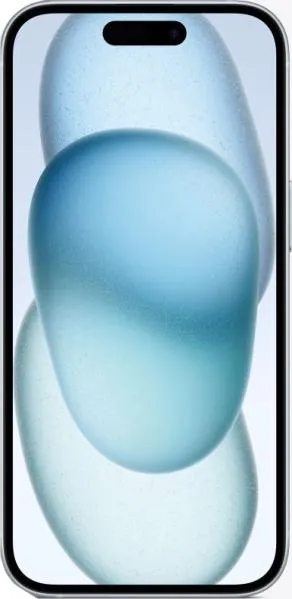
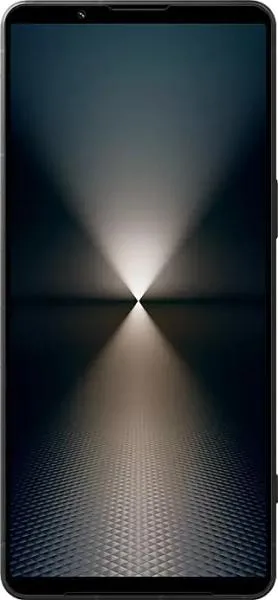
1. Specifications Comparison
| Feature | Apple iPhone 15 | Sony Xperia 1 VI | Practical Impact |
|---|---|---|---|
| Design | |||
| Dimensions | 147.6x71.6x7.8mm | 162x74x8.2mm | Xperia 1 VI is noticeably taller and wider, potentially less comfortable for one-handed use. iPhone 15 is thinner and lighter. |
| Weight | 171g | 192g | iPhone 15 is lighter, reducing hand fatigue during extended use. |
| Build | Not specified | Not specified | Build materials impact durability and premium feel; information is lacking for a complete comparison. |
| Display | |||
| Size | 6.1" | 6.5" | Xperia 1 VI offers a larger screen for media consumption and multitasking. |
| Type | Super Retina XDR OLED | LTPO OLED | Both are high-quality displays; LTPO on Xperia allows for variable refresh rate, potentially saving battery. |
| Resolution | 1179x2556 | 1080x2340 | iPhone 15 has a sharper display (461 ppi vs 396 ppi), resulting in crisper text and images. |
| Refresh Rate | Not specified | 120Hz | 120Hz on Xperia 1 VI delivers smoother scrolling and animations compared to the iPhone's unspecified refresh rate (likely 60Hz). |
| Peak Brightness | 2000 nits | Not specified | iPhone 15's higher peak brightness ensures better visibility in direct sunlight. |
| Performance | |||
| Chipset | Apple A16 Bionic (4 nm) | Qualcomm Snapdragon 8 Gen 3 (4 nm) | Both are flagship chipsets from 2023/2024, promising excellent performance. Real-world differences likely minimal for average users. |
| CPU | Hexa-core | Octa-core | Core count doesn't directly translate to performance; both CPUs are powerful. |
| GPU | Apple GPU (5-core) | Adreno 750 | Both GPUs should handle demanding games and tasks; specific benchmarks needed for detailed comparison. |
| RAM | 6GB | 12GB | Xperia 1 VI's larger RAM allows for more apps to run in the background without reloading. |
| Storage | 256/512GB | 512GB | Xperia 1 VI offers only a 512GB option in this comparison while iPhone offers 256GB. More storage on both allows for storing more files and apps. |
| Battery | |||
| Capacity | 3349 mAh | 5000 mAh | Xperia 1 VI's significantly larger battery likely results in much longer battery life. |
| Camera | |||
| Video Capabilities | Up to 4K@60fps, 1080p@240fps | Up to 4K@120fps, 1080p@120fps | Both offer excellent video recording capabilities; Xperia 1 VI boasts 4K@120fps for smoother slow-motion. iPhone offers a higher frame rate at 1080p for even slower motion. |
| Specific Sensor Details | Lacking for both | Lacking for both | Detailed sensor specifications (size, aperture) are crucial for comparing camera quality. |
2. Key Differences Analysis
iPhone 15 Advantages:
- Brighter Display: Better outdoor visibility.
- Sharper Display: Crisper text and images.
- More Compact and Lighter: Easier to handle and carry.
Sony Xperia 1 VI Advantages:
- Larger Battery: Significantly longer battery life.
- Higher Refresh Rate Display: Smoother scrolling and animations.
- Larger RAM: Better multitasking performance.
- Higher Resolution Video Recording: Smoother slow-motion capture at 4K.
Trade-offs:
- iPhone 15: Smaller battery for portability.
- Xperia 1 VI: Larger size for longer battery life and larger screen.
3. User Profiles & Recommendations
iPhone 15: Users who prioritize a compact and lightweight phone with a bright, sharp display. Suitable for everyday tasks, social media, and casual gaming.
Sony Xperia 1 VI: Users who prioritize battery life, smooth performance, and a larger display for media consumption, multitasking, and mobile gaming. Appeals to power users and content creators.
4. Decision Framework
Key Questions:
- How important is battery life?
- Do you prefer a compact phone or a larger screen?
- What is your budget? (Missing pricing information limits this analysis)
Scenario-based Recommendations:
- Heavy user, long days: Xperia 1 VI for its large battery.
- One-handed use, portability: iPhone 15 for its compact size.
- Media consumption, gaming: Xperia 1 VI for larger display and 120Hz refresh rate.
My Choice: Sony Xperia 1 VI
While the iPhone 15 offers a compelling compact design and bright display, the Sony Xperia 1 VI's significantly larger battery, 120Hz refresh rate, and larger RAM are more important to me. I prioritize a smooth user experience and all-day battery life, making the Xperia 1 VI the better choice for my usage patterns. The larger display is also beneficial for productivity and media consumption. I am willing to compromise on the slightly larger size and weight for these advantages. The lack of specific camera sensor details prevents a complete camera comparison, but both phones likely offer excellent camera performance.
