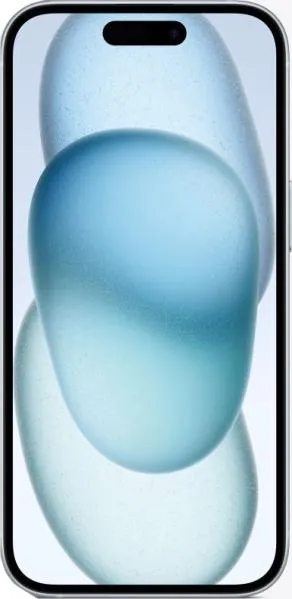
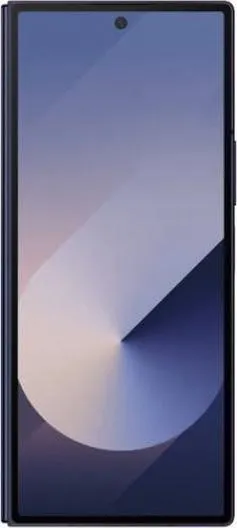
1. Specifications Comparison
| Feature | Apple iPhone 15 | Samsung Galaxy Z Fold6 | Practical Impact |
|---|---|---|---|
| Design | |||
| Dimensions | 147.6 x 71.6 x 7.8 mm | 153.5 x 132.6 x 5.6 mm (folded) | Z Fold6 significantly larger when unfolded, offering more screen real estate but less pocketability. iPhone 15 is more compact and easier to handle one-handed. |
| Weight | 171g | 239g | iPhone 15 noticeably lighter, reducing hand fatigue during extended use. Z Fold6's weight is a trade-off for its larger screen and foldable design. |
| Foldable | No | Yes | Z Fold6's folding capability provides a large tablet-like experience in a pocketable device, while the iPhone 15 offers a traditional smartphone form factor. |
| Display | |||
| Size | 6.1" | 7.6" (main), ~6.2" (cover) | Z Fold6 offers a significantly larger main display for multitasking and media consumption. The iPhone 15's smaller display is more one-hand friendly. |
| Type | Super Retina XDR OLED | Dynamic AMOLED 2X | Both offer excellent color accuracy and contrast. AMOLED's perfect blacks might be slightly preferred by some. |
| Resolution | 1179 x 2556 | 1856 x 2160 (main), 2316 x 904 (cover) | Z Fold6 boasts higher resolution on its main display, resulting in sharper visuals. |
| Refresh Rate | Not specified | 120Hz | The 120Hz refresh rate on the Z Fold6 results in smoother animations and scrolling compared to the iPhone 15 (assumed 60Hz, but not explicitly stated). |
| Peak Brightness | 2000 nits | 2600 nits | Z Fold6 offers better visibility in direct sunlight. |
| Performance | |||
| Chipset | Apple A16 Bionic (4 nm) | Qualcomm Snapdragon 8 Gen 3 (4 nm) | Both chipsets are top-tier performers, but benchmarks would be needed for direct comparison. Expect excellent performance in demanding tasks on both phones. |
| CPU | Hexa-core | Octa-core | While the Z Fold 6 has more cores, core architecture and clock speeds also matter. Real-world performance differences might be subtle for everyday tasks. |
| GPU | Apple GPU (5-core) | Adreno 750 | Gaming performance likely excellent on both. Specific benchmarks would be needed for detailed comparison. |
| RAM | 6GB | 12GB | Z Fold6 has double the RAM, enabling better multitasking and app switching, especially beneficial given its larger screen and foldable nature. |
| Battery | |||
| Capacity | 3349 mAh | 4400 mAh | Z Fold6 offers significantly larger battery capacity, likely translating to longer battery life, especially considering its larger display. |
2. Key Differences Analysis
iPhone 15 Advantages:
- Compactness and One-Handed Use: Significantly smaller and lighter, making it more pocketable and easier to use with one hand.
- Potentially Lower Price: Belongs to a "medium price" range compared to the "high price" of the Z Fold6.
Samsung Galaxy Z Fold6 Advantages:
- Larger Display and Multitasking: Foldable design and large inner display offer a tablet-like experience for enhanced productivity and media consumption.
- Higher Refresh Rate: Smoother scrolling and animations due to the 120Hz refresh rate.
- More RAM: Better multitasking performance and smoother app switching.
- Larger Battery: Potentially longer battery life.
3. User Profiles & Recommendations
iPhone 15 Ideal User: Individuals prioritizing a compact, lightweight phone with a premium experience in a traditional form factor. Suitable for users who value one-handed usability and portability.
Samsung Galaxy Z Fold6 Ideal User: Power users, multitaskers, and content creators who value a large screen for productivity and media consumption. Suitable for users who embrace cutting-edge technology and are willing to pay a premium for the foldable form factor.
4. Decision Framework
Key Questions for Buyers:
- Form Factor Preference: Do you prioritize a compact, traditional smartphone or a foldable device with a larger screen?
- Budget: Are you willing to pay a premium for the innovative features of the Z Fold6?
- Usage Pattern: Are you a heavy multitasker or primarily use your phone for basic communication and media consumption?
My Choice: Samsung Galaxy Z Fold6
While the iPhone 15 offers a refined and compact experience, I would choose the Samsung Galaxy Z Fold6. The foldable form factor, significantly larger display, higher refresh rate, and increased RAM cater to my workflow as someone who heavily multitasks and values screen real estate. While the added weight and higher price are considerations, the productivity gains and unique experience offered by the Z Fold6 outweigh these trade-offs for me. The larger battery also addresses a crucial pain point for power users. The ability to switch between a phone and mini-tablet seamlessly is highly appealing.
