1. Specifications Comparison
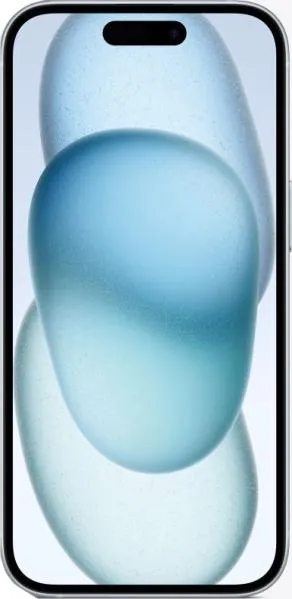
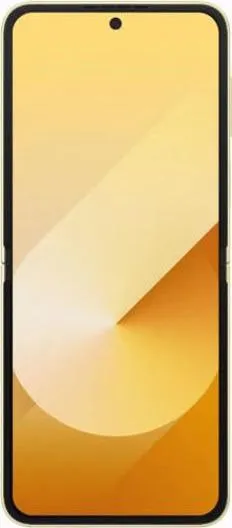
| Feature | Apple iPhone 15 | Samsung Galaxy Z Flip6 | Practical Impact |
|---|---|---|---|
| Design | |||
| Dimensions | 147.6 x 71.6 x 7.8 mm | 165.1 x 71.9 x 6.9 mm (unfolded) | Z Flip6 is taller and slightly wider unfolded, but significantly more compact when folded. iPhone 15 is thinner. Foldability offers portability advantage for Z Flip6. |
| Weight | 171g | 187g | Z Flip6 is noticeably heavier, potentially impacting one-handed use. |
| Foldable | No | Yes | Z Flip6's folding design allows for unique use cases like compact storage and flex mode photography. |
| Display | |||
| Size | 6.1" | 6.7" | Z Flip6 offers a larger screen area for media consumption and multitasking. |
| Type | Super Retina XDR OLED | Foldable Dynamic AMOLED 2X | Both offer excellent color accuracy and contrast. Z Flip6's foldable display introduces a crease in the middle, potentially affecting viewing experience. Durability of the folding screen is a consideration. |
| Resolution | 1179 x 2556 | 1080 x 2640 | iPhone 15 boasts higher pixel density (461 ppi vs 426 ppi), resulting in sharper text and images. Difference may not be noticeable in everyday use. |
| Refresh Rate | Not specified | 120Hz | 120Hz on the Z Flip6 provides smoother animations and scrolling compared to the standard 60Hz expected on the iPhone 15 (though not confirmed in the provided specs). This significantly impacts perceived responsiveness. |
| Peak Brightness | 2000 nits | 2600 nits | Z Flip6 offers better visibility in direct sunlight. |
| Performance | |||
| Chipset | Apple A16 Bionic (4 nm) | Qualcomm Snapdragon 8 Gen 3 (4 nm) | Both are flagship chipsets offering top-tier performance. Cross-platform comparisons are difficult, but benchmarks suggest Snapdragon 8 Gen 3 might have a slight edge in some areas. |
| CPU | Hexa-core | Octa-core | Both CPUs offer excellent performance for demanding tasks. Core count differences don't directly translate to real-world performance superiority. |
| GPU | Apple GPU (5-core) | Adreno 750 | Both GPUs provide smooth gaming and graphics performance. Specific game performance comparisons are needed for detailed analysis. |
| RAM | 6GB | 12GB | Z Flip6's larger RAM allows for more apps to be held in memory, reducing reloading and improving multitasking. |
| Storage | 256/512GB | 512GB | Both offer ample storage. |
| Battery | |||
| Capacity | 3349 mAh | 4000 mAh | Z Flip6 has a significantly larger battery, likely translating to longer battery life. Real-world usage and software optimization heavily influence battery performance. |
| Other | |||
| OS | iOS 17 | Android 14 | Different operating systems cater to different preferences regarding user interface, customization, and app ecosystems. |
| Sensors | Face ID,... | Fingerprint (side-mounted),... | Both offer robust biometric authentication. Face ID generally allows for faster unlocking, while fingerprint sensors can be more reliable in certain situations. |
2. Key Differences Analysis
iPhone 15 Advantages:
- Potentially smoother app experience due to iOS optimization: iOS is known for its tight integration with hardware, potentially leading to smoother performance despite lower RAM.
- Higher resolution display: Sharper text and images.
- Lighter and thinner: Easier to carry and handle.
- Established ecosystem: Seamless integration with other Apple devices and services.
Samsung Galaxy Z Flip6 Advantages:
- Foldable design: Increased portability and unique usability features.
- Larger display: More immersive media consumption and better multitasking.
- Higher refresh rate: Smoother and more responsive user interface.
- Larger battery: Potentially longer battery life.
- Higher peak brightness: Enhanced outdoor visibility.
- More RAM: Improved multitasking performance.
3. User Profiles & Recommendations
iPhone 15 Ideal User: Users prioritizing a seamless user experience, a robust app ecosystem, a compact and lightweight design, and integration with other Apple devices.
Samsung Galaxy Z Flip6 Ideal User: Users who value a unique and innovative design, a large and vibrant display, portability, longer battery life, and the flexibility of Android. Users who prioritize portability above all else.
4. Decision Framework
Key Questions for Buyers:
- How important is portability and a unique design? The Z Flip6's foldable design is a key differentiator.
- Do you prioritize a seamless software experience or customization options? iOS offers a curated experience, while Android provides more flexibility.
- What is your budget and how important is battery life? The Z Flip6 likely offers longer battery life, but comes at a premium due to the foldable technology.
My Choice
I would choose the Samsung Galaxy Z Flip6. The foldable form factor is compelling, offering unparalleled portability without sacrificing screen size. The 120Hz refresh rate, larger battery, and brighter display further enhance the user experience. While iOS offers a polished ecosystem, the Z Flip6's innovative design and Android's flexibility better suit my personal preferences. The crease might be a concern, but the advantages outweigh this single drawback for me. The unique form factor offers functionality beyond a standard smartphone.
