1. Specifications Comparison
| Feature | Apple iPhone 15 | Samsung Galaxy Tab S9 FE | Practical Impact |
|---|---|---|---|
| Design | |||
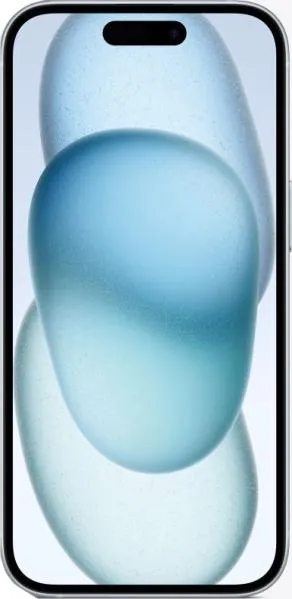
| Dimensions | 147.6 x 71.6 x 7.8 mm | 254.3 x 165.8 x 6.5 mm | iPhone 15 is significantly smaller and more pocketable; Tab S9 FE is a large tablet. |
| Weight | 171g | 523g | iPhone 15 is much lighter and easier to hold for extended periods. Tab S9 FE is heavier, suitable for desk/lap use. |
| Build | Missing | Missing | Build quality and materials cannot be compared without further information. |
| Display | |||
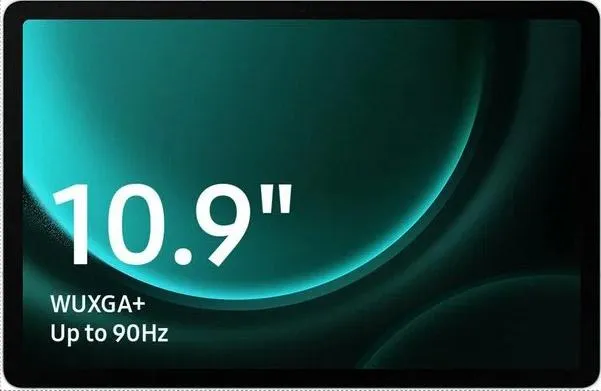
| Size | 6.1" | 10.9" | Tab S9 FE offers a much larger screen for media consumption and multitasking. |
| Type | Super Retina XDR OLED | IPS LCD | iPhone 15's OLED offers superior contrast, deeper blacks, and potentially better power efficiency. |
| Resolution | 1179 x 2556 | 1440 x 2304 | iPhone has a higher pixel density (461 ppi vs 249 ppi), resulting in sharper text and images. |
| Refresh Rate | Not specified | 90Hz | 90Hz on the Tab S9 FE provides smoother scrolling and animations compared to a standard 60Hz (assumed for iPhone 15). |
| Peak Brightness | 2000 nits | Not specified | iPhone 15's higher peak brightness ensures better visibility in direct sunlight. |
| Performance | |||
| Chipset | Apple A16 Bionic (4 nm) | Exynos 1380 (5 nm) | A16 is generally considered a more powerful chipset, potentially offering better performance in demanding tasks and gaming. |
| CPU | Hexa-core | Octa-core | Core count alone doesn't determine performance; architectural differences and clock speeds are crucial, but detailed comparisons are impossible without benchmarks. |
| GPU | Apple GPU (5-core) | Mali-G68 MP5 | Apple's GPU in the A16 is expected to deliver superior graphics performance compared to the Mali-G68. |
| RAM | 6GB | 8GB | Tab S9 FE's higher RAM might enable better multitasking, although iOS and Android manage RAM differently. |
| Storage | 256/512GB | 256GB | Both offer ample storage, but the iPhone offers a 512GB option. |
| Battery | |||
| Capacity | 3349 mAh | 8000 mAh | Tab S9 FE has a significantly larger battery, expected to provide much longer battery life. |
| Other | |||
| OS | iOS 17 | Android 13 | Different operating systems cater to different user preferences and ecosystems. |
| NFC | Yes | No | iPhone 15 supports contactless payments and data transfer via NFC. |
2. Key Differences Analysis
- Size and Portability: iPhone 15 is a pocket-sized smartphone, while the Tab S9 FE is a large tablet better suited for home or desk use.
- Performance: iPhone 15 with the A16 Bionic chip is likely to offer superior performance compared to the Tab S9 FE.
- Display: iPhone 15 utilizes a superior OLED display with higher resolution and brightness. Tab S9 FE offers a larger display with a faster refresh rate, beneficial for content consumption and creative tasks.
- Battery Life: Tab S9 FE's much larger battery will likely provide significantly longer usage time.
- Operating System: iOS and Android offer different user experiences and app ecosystems.
3. User Profiles & Recommendations
- iPhone 15: Ideal for users who prioritize portability, performance, a premium display, and a seamless iOS experience. Excellent for everyday tasks, photography, and gaming on the go.
- Tab S9 FE: Suitable for users who need a large screen for media consumption, multitasking, note-taking, and drawing. Good for students, artists, and those who consume a lot of content.
4. Decision Framework
Key Questions:
- What is your primary use case (phone calls, media consumption, productivity)?
- How important is portability?
- Which operating system do you prefer?
Scenario-Based Recommendations:
- On-the-go professional: iPhone 15 for its portability, performance, and premium features.
- Student or artist: Tab S9 FE for its large screen for note-taking, drawing, and content creation.
- Home entertainment enthusiast: Tab S9 FE for its large display and long battery life.
My Choice: Apple iPhone 15
While the Tab S9 FE offers a compelling large-screen experience, I would choose the iPhone 15. My priorities are portability, performance, and a premium display. The A16 Bionic chip ensures smooth performance for demanding tasks and games, while the OLED display delivers vibrant visuals. Although the Tab S9 FE boasts a larger battery and screen, my daily usage revolves around communication, quick tasks, occasional gaming, and media consumption on the go, making the iPhone 15's compact form factor a significant advantage. The robust app ecosystem and seamless iOS experience also contribute to my preference. The lack of NFC on the Tab S9 FE is also a drawback in my daily usage. Ultimately, the iPhone 15 better aligns with my needs and priorities.
