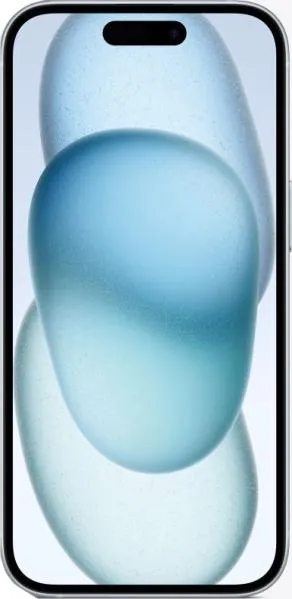
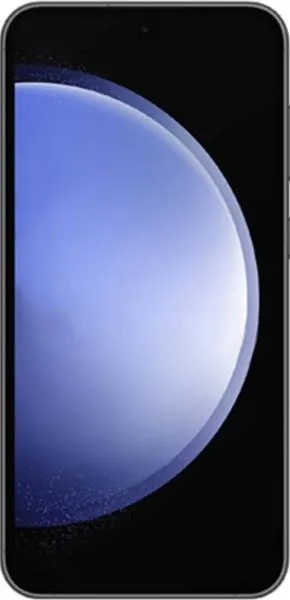
1. Specifications Comparison
| Feature | Apple iPhone 15 | Samsung Galaxy S23 FE | Practical Impact |
|---|---|---|---|
| Design | |||
| Dimensions | 147.6x71.6x7.8mm | 158x76.5x8.2mm | iPhone 15 is noticeably smaller and thinner, making it more pocketable and easier to handle one-handed. S23 FE offers a larger screen but might be less comfortable for some users. |
| Weight | 171g | 209g | iPhone 15 is significantly lighter, reducing hand fatigue during extended use. |
| Build | Not specified | Not specified | Build materials impact durability and premium feel. Lack of information limits comparison. |
| Display | |||
| Size | 6.1" | 6.4" | S23 FE offers a larger display, beneficial for media consumption and multitasking, but potentially less one-hand friendly. |
| Type | Super Retina XDR OLED | Dynamic AMOLED 2X | Both are high-quality display technologies with vibrant colors and deep blacks. |
| Resolution | 1179x2556 | 1080x2340 | iPhone 15 has a sharper display (461 ppi vs 403 ppi), resulting in crisper text and images. |
| Refresh Rate | Not specified | 120Hz | 120Hz on the S23 FE provides smoother animations and scrolling compared to a standard 60Hz (assumed for iPhone 15, but lack of specification limits definitive conclusion). |
| Peak Brightness | 2000 nits | 1450 nits | iPhone 15 can achieve significantly higher peak brightness, improving outdoor visibility. |
| Performance | |||
| Chipset | Apple A16 Bionic (4 nm) | Exynos 2200 (4 nm) | A16 Bionic is generally considered to offer superior performance compared to Exynos 2200, especially in graphics-intensive tasks. |
| CPU | Hexa-core | Octa-core | Core count alone doesn't determine performance. Architectural differences and clock speeds play a larger role. |
| GPU | Apple GPU (5-core) | Xclipse 920 | Apple's GPUs traditionally excel in performance and efficiency. |
| RAM | 6GB | 8GB | S23 FE having 8GB RAM might offer slightly better multitasking performance, especially with many apps open in the background. |
| Battery | |||
| Capacity | 3349 mAh | 4500 mAh | S23 FE has a significantly larger battery, potentially leading to longer battery life. |
| Other | |||
| OS | iOS 17 | Android 13 | OS preference is subjective. iOS is known for simplicity and a tightly controlled ecosystem, while Android offers more customization options. |
| Storage | 256GB/512GB | 256GB | Both offer ample storage for most users. |
| Price Range | Medium | Medium | Direct price comparison is needed as "medium" can vary. |
2. Key Differences Analysis
iPhone 15 Advantages:
- Superior Performance: A16 Bionic chip generally outperforms Exynos 2200.
- Brighter Display: Better outdoor visibility.
- More Compact Design: Easier for one-handed use and portability.
- Sharper Display: Crisper text and images due to higher pixel density.
Samsung Galaxy S23 FE Advantages:
- Larger Battery: Potentially significantly longer battery life.
- Larger Display: More immersive media consumption and multitasking.
- Higher Refresh Rate: Smoother scrolling and animations (assuming iPhone 15 is 60Hz).
- More RAM: Potential advantage in multitasking.
3. User Profiles & Recommendations
iPhone 15: Users prioritizing performance, a compact design, a brighter display, and a seamless iOS experience. Ideal for users heavily invested in the Apple ecosystem.
Samsung Galaxy S23 FE: Users prioritizing battery life, a larger display, and the flexibility of Android. Good for media consumption, multitasking, and users who prefer customization options.
4. Decision Framework
Key Questions for Buyers:
- How important is battery life? S23 FE likely offers longer battery life.
- Do you prefer a compact phone or a larger screen? iPhone 15 is smaller and easier to handle; S23 FE offers a larger display.
- Which operating system do you prefer? iOS vs. Android is a matter of personal preference.
My Choice: Samsung Galaxy S23 FE
While the iPhone 15 boasts a powerful chip and bright display, the significantly larger battery and 120Hz refresh rate of the S23 FE are more compelling for my usage. I prioritize battery life and smooth scrolling for a more enjoyable user experience. The larger display is also a plus for media consumption. While the A16 chip is faster, the Exynos 2200 should still provide ample performance for everyday tasks. Finally, I value the customization options offered by Android. The slightly larger size and weight are trade-offs I am willing to make for the benefits mentioned above.
