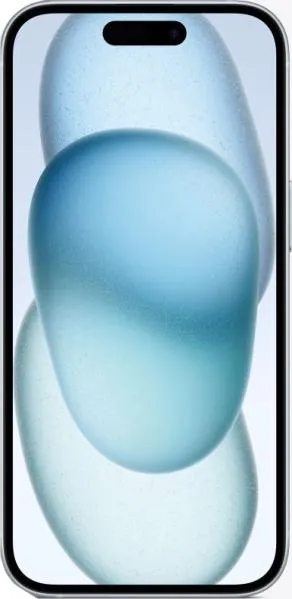
1. Specifications Comparison
| Feature | Apple iPhone 15 | 8 | Practical Impact |
|---|---|---|---|
| Design | |||
| Dimensions | 147.6x71.6x7.8mm | 162x75.1x8.7mm | The iPhone 15 is significantly smaller and lighter, making it more pocketable and easier to use one-handed. The "8" is larger, potentially better for media consumption. |
| Weight | 171g | 191g | Noticeable difference in hand; iPhone 15 will be more comfortable for extended use. |
| Display | |||
| Size | 6.1" | 6.78" | Larger display on the "8" offers more immersive media consumption and multitasking but impacts one-handed usability. |
| Type | Super Retina XDR OLED | LTPO AMOLED | Both are high-quality displays. LTPO generally offers better power efficiency due to variable refresh rate. |
| Resolution | 1179x2556 | 1264x2780 | "8" has a slightly sharper display due to higher resolution and larger size. |
| Refresh Rate | Not specified | 120Hz | 120Hz on the "8" results in smoother scrolling and animations, enhancing perceived performance. Lack of info for iPhone 15 prevents detailed comparison. |
| Peak Brightness | 2000 nits | 6000 nits | "8" has significantly higher peak brightness, improving outdoor visibility. |
| Performance | |||
| Chipset | Apple A16 Bionic (4 nm) | Qualcomm Snapdragon 7+ Gen 3 | A16 is generally considered more powerful than Snapdragon 7+ Gen 3, potentially leading to better performance in demanding tasks and gaming. |
| CPU | Hexa-core | Octa-core | Core count doesn't directly translate to performance; A16's architecture and optimization likely give it an edge. |
| GPU | Apple GPU (5-core) | Adreno 732 | Apple's GPUs are known for strong performance. Direct comparison is difficult without benchmarks, but A16 likely outperforms. |
| RAM | 6GB | 12GB | More RAM on the "8" enables better multitasking and app retention. |
| Storage | 256/512GB | 512GB | Similar high-end storage options, sufficient for most users. |
| Battery | |||
| Capacity | 3349 mAh | 5500 mAh | "8" has a significantly larger battery, likely translating to much longer battery life. |
| Other | |||
| OS | iOS 17 | Android 14 | Different operating systems cater to different preferences. |
| Sensors | Face ID... | Fingerprint, color spectrum.. | Both have essential sensors. Fingerprint sensor on "8" offers an alternative biometric unlock method; color spectrum sensor might improve display color accuracy. |
| Video Capabilities | Up to 4K@60fps, 1080p@240fps | Up to 4K@60fps, 1080p@120fps | Both offer high quality video recording. iPhone offers higher slow-motion frame rates. "8" features OIS and EIS for potentially smoother videos. |
2. Key Differences Analysis
iPhone 15 Advantages:
- Smaller and Lighter: More comfortable for one-handed use and portability.
- Likely More Powerful: A16 Bionic expected to outperform Snapdragon 7+ Gen 3.
- Established Ecosystem: Benefits from Apple's tight hardware-software integration and app ecosystem.
"8" Advantages:
- Larger Display and Battery: More immersive media experience and significantly longer battery life.
- Higher Refresh Rate: Smoother and more responsive user interface.
- Higher Brightness Display: Better outdoor visibility.
- More RAM: Improved multitasking and app retention.
Trade-offs:
- Size and Weight: Portability vs. screen real estate and battery life.
- Performance vs. Battery Life: A16 likely offers better performance but at the cost of potentially shorter battery life compared to the "8."
- Operating System: iOS vs. Android ecosystem preferences.
3. User Profiles & Recommendations
iPhone 15: Users who prioritize a compact and powerful phone with a smooth user experience within the Apple ecosystem. Ideal for one-handed use, gaming, and general productivity on the go.
"8": Users who value a large display, long battery life, and a smooth, responsive interface. Suitable for media consumption, multitasking, and users who prioritize all-day battery life.
4. Decision Framework
Key Questions:
- What screen size and battery life do you need? Larger screen and longer battery = "8." Smaller, more portable device = iPhone 15.
- Which operating system do you prefer? iOS = iPhone 15, Android = "8".
- What is your budget and performance requirement? Both are mid-range, but iPhone 15 likely offers a performance advantage while the "8" provides more features for a similar price.
My Choice:
I would choose the "8". While the iPhone 15 likely offers a performance advantage, the "8"'s combination of a larger, higher refresh rate display, significantly larger battery, and ample RAM is more appealing for my usage. I prioritize battery life and screen real estate for media consumption and productivity. The potential performance difference wouldn't significantly impact my typical workflow, and the "8" seems to offer better value for its feature set. The lack of specific refresh rate information for the iPhone 15 and the significantly higher brightness of the "8" further solidify my choice. While I acknowledge the benefits of Apple's ecosystem and the A16's power, the "8"'s advantages in key areas align better with my personal preferences and needs.
