1. Specifications Comparison
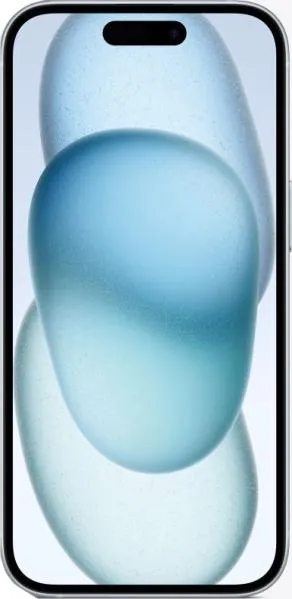
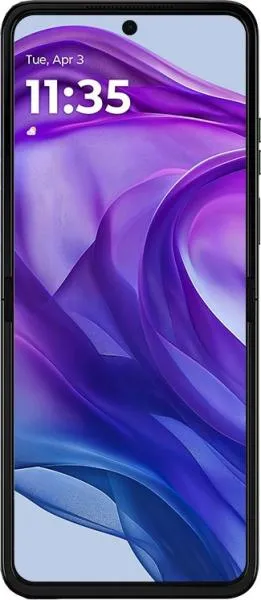
| Feature | Apple iPhone 15 | Motorola Razr 50 Ultra | Practical Impact |
|---|---|---|---|
| Design | |||
| Dimensions | 147.6 x 71.6 x 7.8 mm | 171.4 x 74 x 7.1mm (unfolded) | Razr 50 Ultra significantly larger unfolded, but more compact when folded. iPhone 15 is thinner. Portability considerations depending on usage. |
| Weight | 171g | 189g | Razr 50 Ultra noticeably heavier, impacting one-handed use. |
| Foldable | No | Yes | Razr's folding screen offers unique portability and a larger inner display for media consumption. iPhone offers a traditional, more robust form factor. |
| Display | |||
| Size | 6.1" | 6.9" (main), 3.6" (cover) | Larger main display on Razr offers more immersive experience for multimedia, multitasking. Cover display allows quick interactions without unfolding. |
| Type | Super Retina XDR OLED | Foldable LTPO AMOLED | Both offer excellent color accuracy and deep blacks. Razr's LTPO panel potentially offers better power efficiency with dynamic refresh rate. Durability of Razr's folding screen is a concern. |
| Resolution | 1179 x 2556 | 1080 x 2640 (main), 1056 x 1066 (cover) | Comparable pixel density despite size difference. Razr's cover screen resolution adequate for basic tasks. |
| Refresh Rate | Not Specified | 165Hz | Razr's high refresh rate delivers smoother animations and scrolling compared to iPhone's standard 60Hz (assumed). |
| Peak Brightness | 2000 nits | 3000 nits | Razr offers superior outdoor visibility in direct sunlight. |
| Performance | |||
| Chipset | Apple A16 Bionic (4 nm) | Qualcomm Snapdragon 8+ Gen 1 (4 nm) | Both are high-performance chipsets, but benchmarks needed for direct comparison. |
| CPU | Hexa-core | Octa-core | Core count difference doesn't directly translate to performance; architecture and optimization matter more. |
| GPU | Apple GPU (5-core) | Adreno 735 | Gaming performance comparison requires benchmarks. |
| RAM | 6GB | 12GB | Razr's larger RAM allows for more apps to run in the background without reloading, beneficial for multitasking. |
| Storage | 256/512GB | 256GB | iPhone offers a 512GB option for users needing more storage. |
| Battery | |||
| Capacity | 3349 mAh | 4000 mAh | Larger battery in Razr likely provides longer battery life, but real-world usage varies greatly depending on usage patterns and the power efficiency of the foldable display. |
| Other | |||
| OS | iOS 17 | Android 14 | Different operating systems cater to different user preferences and ecosystems. |
| Sensors | Face ID, accelerometer, gyro, proximity, compass, barometer | Accelerometer, gyro, proximity, compass, Fingerprint sensor | Biometric unlock options differ: Face ID on iPhone vs. fingerprint sensor on Razr. Barometer missing on Razr, limiting some weather and altitude-related functionalities. |
2. Key Differences Analysis
iPhone 15 Advantages:
- Potentially smoother performance: A16 Bionic chip's integration with iOS often results in highly optimized performance.
- Established Ecosystem: iOS known for its simplicity, security, and app quality.
- More Storage Options: Offers a 512GB variant for users needing ample storage.
- Potentially better long-term software support: Apple provides longer software updates compared to most Android manufacturers.
Razr 50 Ultra Advantages:
- Larger, Foldable Display: Provides a unique, compact form factor and a large screen for media consumption and multitasking.
- Higher Refresh Rate Display: Smoother scrolling and animations.
- Larger Battery: Potential for longer battery life.
- More RAM: Enhanced multitasking capabilities.
- Brighter Display: Better visibility outdoors.
Trade-offs:
- Razr 50 Ultra: Durability of folding screen, higher price, heavier weight.
- iPhone 15: Smaller display, potentially shorter battery life, less RAM.
3. User Profiles & Recommendations
iPhone 15: Users prioritizing a reliable, smooth experience within the Apple ecosystem, valuing simplicity and long-term software updates. Ideal for everyday tasks, photography, and moderate gaming.
Razr 50 Ultra: Users seeking a unique, innovative device with a large screen for media consumption and multitasking on the go. Ideal for those who value portability and a cutting-edge design, willing to compromise on potential durability concerns and software update longevity. Early adopters of technology would appreciate this phone.
4. Decision Framework
Key Questions:
- Importance of form factor? Prioritize portability and a large screen (Razr) or a traditional, robust design (iPhone)?
- Operating system preference? iOS or Android?
- Budget and long-term cost? Consider the higher initial price of foldable phones and potential repair costs.
My Choice: iPhone 15
While the Razr 50 Ultra offers intriguing features like the foldable display and larger battery, I prioritize the consistent performance and longevity offered by the iPhone 15. The A16 Bionic chip's proven track record, coupled with Apple's long-term software support, ensures a smooth and reliable experience for years to come. Additionally, the robust build quality and established app ecosystem of iOS are crucial for my needs. While the Razr's larger display is tempting, the potential durability concerns and the less established software update cycle for Android devices outweigh the benefits for my personal use. I value a dependable device that can withstand daily use without compromising performance or requiring frequent upgrades.
