1. Specifications Comparison
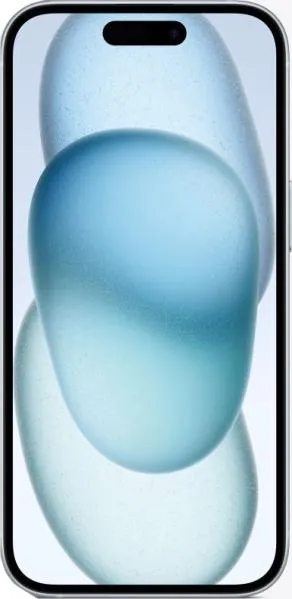
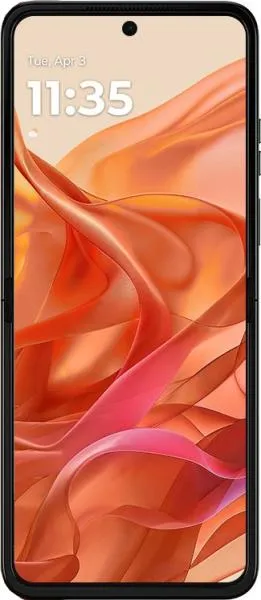
| Feature | Apple iPhone 15 | Motorola Razr 50 | Practical Impact |
|---|---|---|---|
| Design | |||
| Dimensions | 147.6 x 71.6 x 7.8 mm | 171.3 x 74 x 7.3 mm (Unfolded) | The Razr 50 is significantly taller and wider when unfolded, but much more compact when folded. iPhone 15 offers a traditional slab design. Portability and one-hand usability differ greatly. |
| Weight | 171g | 188.4g | Razr 50 is noticeably heavier, but foldable design may be worth the trade-off for some users. |
| Foldable | No | Yes | Razr 50's foldable screen allows for a larger display in a pocketable device, but introduces a crease and potential durability concerns. |
| Display | |||
| Size | 6.1" | 6.9" | Razr 50 offers a significantly larger screen area for media consumption and multitasking due to its foldable design. |
| Type | Super Retina XDR OLED | Foldable LTPO AMOLED | Both offer excellent color accuracy and deep blacks. The Razr 50's LTPO panel allows for variable refresh rate, potentially saving battery. |
| Resolution | 1179 x 2556 | 1080 x 2640 | Despite lower resolution, iPhone 15 has a higher pixel density (461 ppi vs 413 ppi), resulting in sharper text and images. Razr's larger screen makes the lower density less noticeable in practice. |
| Refresh Rate | Not Specified | 120Hz | A higher refresh rate on the Razr 50 results in smoother animations and scrolling. Lack of information for iPhone 15 prevents direct comparison, but likely operates at 60Hz. |
| Peak Brightness | 2000 nits | 3000 nits | Razr 50 offers superior outdoor visibility in bright sunlight. |
| Performance | |||
| Chipset | Apple A16 Bionic (4 nm) | Mediatek Dimensity 7300X (4 nm) | A16 Bionic is generally considered more powerful, especially in GPU performance, leading to smoother gaming and faster app loading. |
| CPU | Hexa-core | Octa-core | Core count doesn't directly translate to performance. A16's architecture and optimization likely provide a performance advantage. |
| GPU | Apple GPU (5-core) | Mali-G615 MC2 | Apple's custom GPU generally outperforms the Mali-G615, particularly in demanding tasks like gaming and video editing. |
| RAM | 6GB | 12GB | Razr 50's larger RAM allows for more apps to be held in memory, reducing the need for frequent reloading. |
| Storage | 256GB/512GB | 512GB | Both offer ample storage for most users. |
| Battery | |||
| Capacity | 3349 mAh | 4200 mAh | Razr 50 has a larger battery, potentially offering longer battery life. However, the larger, high refresh rate display may offset this advantage. |
| Camera | Missing detailed camera specifications prevents in-depth comparison. |
2. Key Differences Analysis
iPhone 15 Advantages:
- Performance: The A16 Bionic chip offers superior processing power.
- Display Sharpness: Higher pixel density leads to crisper visuals.
- Software Ecosystem: iOS is known for its simplicity and app optimization.
- Potentially Longer Software Support: Apple provides longer software updates compared to most Android manufacturers.
Motorola Razr 50 Advantages:
- Foldable Design: Offers a large screen in a compact form factor.
- Larger Display: Provides more immersive media consumption and better multitasking.
- Higher Refresh Rate: Smoother scrolling and animations.
- Higher Peak Brightness: Excellent outdoor visibility.
- Larger Battery: Potential for longer battery life, although real-world usage will vary.
- More RAM: Enables better multitasking and app performance.
Trade-offs:
- Razr 50: Foldable design introduces potential durability concerns and a crease on the main display. Heavier and larger than the iPhone when unfolded.
- iPhone 15: Smaller display limits multitasking and media consumption. Potentially lower refresh rate.
3. User Profiles & Recommendations
iPhone 15: Users who prioritize performance, a refined software experience, a compact form factor and a proven track record of reliability. Ideal for those who value one-handed usability and a seamless app ecosystem.
Motorola Razr 50: Users who value a large screen for media consumption and multitasking but also want a pocketable device. Early adopters who embrace new technology and prioritize portability despite potential trade-offs in durability.
4. Decision Framework
Key Questions:
- How important is screen size and portability? A large screen enhances media consumption and productivity, but a compact device is easier to carry and use one-handed.
- Do you prioritize raw performance or novel features? The iPhone 15 excels in processing power, while the Razr 50 offers a unique foldable design and a larger, smoother display.
- What is your budget and how long do you plan to keep the phone? Consider the price difference and the longer software support typically offered by Apple.
My Choice: Apple iPhone 15
While the Razr 50's foldable design is intriguing, I prioritize the consistent performance and refined software experience offered by the iPhone 15. The A16 Bionic chip's superior processing power, coupled with iOS's optimization, ensures a smooth and reliable user experience. Although the Razr 50 boasts a larger display and higher refresh rate, the iPhone 15's compact form factor and sharper screen better suit my personal preferences. The longer software support from Apple and the mature app ecosystem also contribute to my decision. I acknowledge the innovative aspects of the Razr 50, but the iPhone 15's overall package aligns better with my needs and priorities. The lack of detailed camera specs prevents a full evaluation, but assuming comparable camera systems, the iPhone's overall user experience wins out for me.
