1. Specifications Comparison
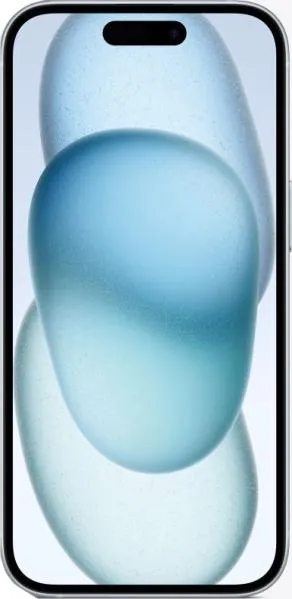
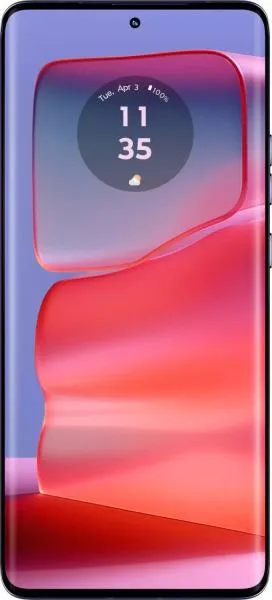
| Feature | Apple iPhone 15 | Motorola Edge 50 Pro | Practical Impact |
|---|---|---|---|
| Design | |||
| Dimensions | 147.6x71.6x7.8mm | 161.2x72.4x8.2mm | iPhone 15 is noticeably smaller and thinner, making it more pocketable and easier to handle one-handed. |
| Weight | 171g | 186g | The iPhone 15 is lighter, reducing hand fatigue during extended use. |
| Build | Not specified | Not specified | Build materials impact durability and premium feel; information is missing for a complete comparison. |
| Display | |||
| Size | 6.1" | 6.7" | The Edge 50 Pro offers a significantly larger screen for more immersive media consumption and multitasking. |
| Type | Super Retina XDR OLED | P-OLED | Both are high-quality display technologies with vibrant colors and deep blacks. |
| Resolution | 1179x2556 | 1220x2712 | Edge 50 Pro has a slightly higher resolution, but the difference in sharpness is negligible at these sizes. |
| Refresh Rate | Not specified | 144Hz | The 144Hz refresh rate on the Edge 50 Pro results in noticeably smoother scrolling and animations, enhancing the user experience. iPhone 15's refresh rate is unknown and can't be compared. |
| Peak Brightness | 2000 nits | 2000 nits | Both offer excellent outdoor visibility. |
| Performance | |||
| Chipset | Apple A16 Bionic (4 nm) | Qualcomm Snapdragon 7 Gen 3 (4 nm) | A16 Bionic is generally considered a more powerful chip, likely resulting in faster app loading, smoother multitasking, and better gaming performance. Real-world benchmarks are needed for definitive comparison. |
| CPU | Hexa-core | Octa-core | Core count doesn't directly translate to performance; A16's architecture and optimization are key factors. |
| GPU | Apple GPU (5-core) | Adreno 720 | A16's GPU is expected to deliver superior graphics performance, especially in demanding games. |
| RAM | 6GB | 12GB | The Edge 50 Pro's larger RAM capacity should allow for more apps to be held in memory, reducing reloading. |
| Storage | 256GB/512GB | 256GB/512GB | Both offer comparable storage options. |
| Battery | |||
| Capacity | 3349 mAh | 4500 mAh | The Edge 50 Pro has a significantly larger battery, likely leading to longer battery life. Real-world usage will vary. |
| Software | |||
| OS | iOS 17 | Android 14 | iOS and Android offer distinct user experiences with different app ecosystems and customization options. This is largely a matter of personal preference. |
2. Key Differences Analysis
iPhone 15 Advantages:
- Compact Form Factor: Easier to handle and pocket.
- Expected Superior Performance: A16 Bionic chip likely offers faster speeds.
- iOS Ecosystem: Known for its simplicity and app quality.
Motorola Edge 50 Pro Advantages:
- Larger Display: More immersive media consumption.
- Higher Refresh Rate: Smoother scrolling and animations.
- Larger Battery: Potentially longer battery life.
- More RAM: Better multitasking performance.
Trade-offs:
- Performance vs. Battery Life: iPhone 15 prioritizes performance, while Edge 50 Pro emphasizes battery life.
- Size and One-handed Use: iPhone 15's smaller size benefits one-handed use, but Edge 50 Pro offers a larger screen.
3. User Profiles & Recommendations
iPhone 15: Users who prioritize a compact phone with top-tier performance, a smooth user experience, and value the iOS ecosystem. Ideal for those who prefer one-handed use and prioritize app quality.
Motorola Edge 50 Pro: Users who prioritize a large display, long battery life, smooth scrolling, and value customization options offered by Android. Ideal for media consumption, multitasking, and users who prefer a larger screen.
4. Decision Framework
Key Questions:
- What screen size do you prefer? Large screen for media or compact for one-handed use?
- How important is battery life? Longer battery or prioritizing performance?
- Which operating system do you prefer? iOS or Android?
My Choice: Motorola Edge 50 Pro
While the A16 Bionic in the iPhone 15 is likely a more powerful chip, the Motorola Edge 50 Pro offers a compelling combination of features that better suit my needs. The significantly larger battery, higher refresh rate display, and increased RAM are major advantages for my usage pattern, which involves heavy multitasking, media consumption, and a preference for smooth scrolling. While I acknowledge the potential performance advantage of the iPhone 15, the Edge 50 Pro's benefits in other areas outweigh this for me personally. The larger screen real estate is also a significant factor, as I prefer a larger display for productivity and entertainment. While iOS is a strong ecosystem, I prefer the customization and flexibility offered by Android.
