1. Specifications Comparison
| Feature | Apple iPhone 15 | Motorola Edge 50 Fusion | Practical Impact |
|---|---|---|---|
| Design | |||
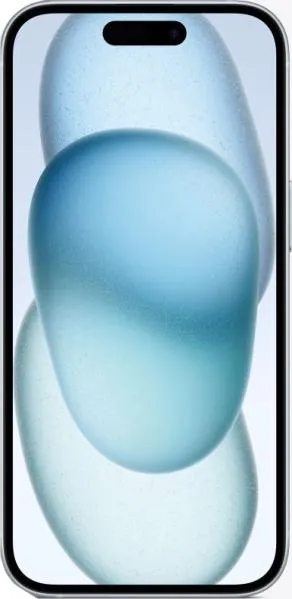
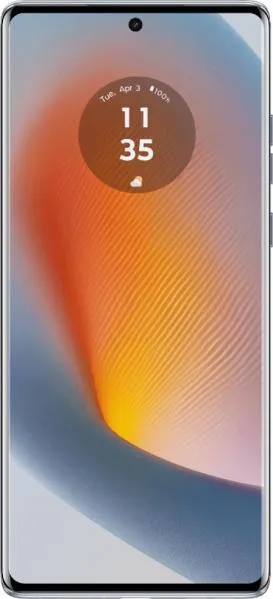
| Dimensions | 147.6 x 71.6 x 7.8 mm | 161.9 x 73.1 x 7.9 mm | iPhone 15 is significantly smaller and easier to handle one-handed. Edge 50 Fusion might be preferable for users who prefer larger screens and don't mind the added bulk. |
| Weight | 171g | 174.9g | Negligible weight difference in real-world usage. |
| Build Materials | Not specified | Not specified | Cannot compare without further information. |
| Display | |||
| Display Type | Super Retina XDR OLED | P-OLED | Both offer excellent color accuracy and deep blacks. |
| Size | 6.1 inches | 6.78 inches | Larger screen of the Edge 50 Fusion provides more immersive media consumption and multitasking capabilities but impacts one-handed usability. |
| Resolution | 1179 x 2556 | 1080 x 2400 | iPhone boasts a sharper display (461 ppi vs 393 ppi), noticeable in text clarity and image sharpness. |
| Refresh Rate | Not Specified | 120Hz | A 120Hz refresh rate on the Edge 50 Fusion results in smoother animations and scrolling compared to the iPhone's unspecified refresh rate (likely 60Hz). |
| Peak Brightness | 2000 nits | 1600 nits | iPhone 15's higher peak brightness ensures better visibility in direct sunlight. |
| Performance | |||
| Chipset | Apple A16 Bionic (4 nm) | Snapdragon 7s Gen 2 (4 nm) | A16 Bionic generally offers superior performance in benchmarks and demanding tasks. Snapdragon 7s Gen 2 provides good mid-range performance but may lag behind in demanding games or heavy multitasking. |
| CPU | Hexa-core | Octa-core | Core count doesn't directly translate to performance; architectural differences play a larger role. Expect the A16 to be faster. |
| GPU | Apple GPU (5-core) | Adreno 710 | A16's GPU provides a significant advantage in graphics-intensive tasks like gaming. |
| RAM | 6GB | 8GB | While the Edge 50 Fusion has more RAM, iOS's memory management often allows iPhones to perform efficiently with less RAM. Real-world multitasking performance differences may be less significant than the numbers suggest. |
| Battery | |||
| Capacity | 3349 mAh | 5000 mAh | Edge 50 Fusion likely offers significantly longer battery life due to the much larger capacity. |
| Other | |||
| OS | iOS 17 | Android 14 | OS preference is subjective. iOS is known for its simplicity and tight ecosystem, while Android offers more customization options. |
| Storage | 256/512 GB | 256GB | Both offer ample storage for average users. |
| Price Range | Medium | Medium | Direct price comparison needed for accurate value assessment. |
2. Key Differences Analysis
iPhone 15 Advantages:
- Superior Performance: A16 Bionic chip offers significantly faster processing and graphics performance.
- Sharper Display: Higher resolution and pixel density result in a crisper viewing experience.
- Brighter Display: Better visibility outdoors.
- More Compact Design: Easier for one-handed use.
Motorola Edge 50 Fusion Advantages:
- Larger Display: More immersive for media consumption and multitasking.
- Higher Refresh Rate: Smoother scrolling and animations.
- Significantly Larger Battery: Longer usage time between charges.
- Potentially Lower Price: Within the same price range, but specific pricing is needed for comparison.
3. User Profiles & Recommendations
iPhone 15: Users who prioritize performance, a premium display, compact design, and the iOS ecosystem. Ideal for demanding tasks, mobile gaming, and users who prefer a seamless user experience.
Motorola Edge 50 Fusion: Users who prioritize battery life, a large display for media consumption, and a smooth user interface. Suitable for users who value all-day battery life, enjoy watching videos or playing less demanding games, and prefer the flexibility of Android.
4. Decision Framework
Key Questions for Buyers:
- What is your budget? Compare actual prices to determine the best value.
- What is your priority: Performance or Battery Life? iPhone 15 excels in performance, while the Edge 50 Fusion offers significantly longer battery life.
- What screen size and operating system do you prefer? Consider your preference for a compact vs. large display and iOS vs. Android.
Scenario-Based Recommendations:
- Heavy User/Gamer: iPhone 15 for its superior performance.
- Media Consumer/Casual User: Edge 50 Fusion for its large display and long battery life.
- One-Handed Use Focus: iPhone 15 for its compact form factor.
My Choice: Apple iPhone 15
While the Motorola Edge 50 Fusion offers a compelling combination of features, especially the larger battery and higher refresh rate display, I would choose the Apple iPhone 15. The A16 Bionic's significant performance advantage, coupled with the sharper and brighter display, are crucial factors for me. I prioritize a smooth and responsive experience for demanding tasks and gaming, which the iPhone 15 delivers. The more compact form factor also aligns with my preference for one-handed usability. While battery life is important, I'm willing to compromise in this area for the overall superior performance and user experience offered by the iPhone 15. The robust iOS ecosystem and longer software support commitment from Apple also contribute to my decision.
