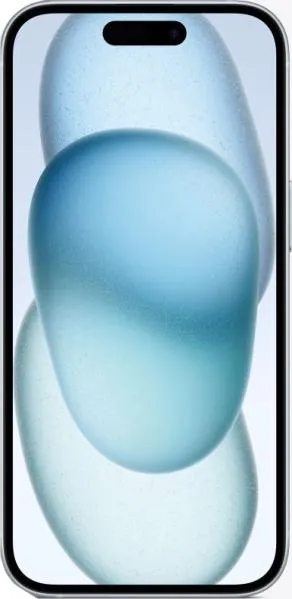
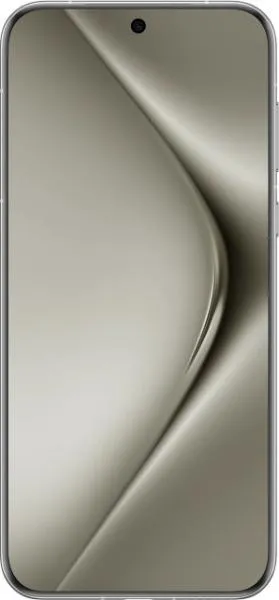
1. Specifications Comparison
| Feature | Apple iPhone 15 | Huawei Pura 70 Pro | Practical Impact |
|---|---|---|---|
| Design | |||
| Dimensions | 147.6 x 71.6 x 7.8 mm | 162.6 x 75.1 x 8.4 mm | iPhone 15 is significantly smaller and lighter, easier for one-handed use and pocket portability. |
| Weight | 171g | 220g | iPhone 15 is noticeably lighter, reducing hand fatigue during extended use. |
| Display | |||
| Size | 6.1" | 6.8" | Pura 70 Pro offers a larger screen for more immersive media consumption and multitasking. |
| Type | Super Retina XDR OLED | LTPO OLED | Both are high-quality displays, but LTPO on the Pura 70 Pro allows for dynamic refresh rate adjustment, potentially saving battery. |
| Resolution | 1179 x 2556 | 1260 x 2844 | Pura 70 Pro has a slightly higher resolution, but the difference in sharpness might be negligible in real-world use due to similar PPI. |
| Refresh Rate | Unspecified | 120Hz | 120Hz on the Pura 70 Pro will result in smoother animations and scrolling compared to the iPhone's standard 60Hz (assumed). |
| Peak Brightness | 2000 nits | 2500 nits | Pura 70 Pro's higher peak brightness improves outdoor visibility. |
| Performance | |||
| Chipset | Apple A16 Bionic (4 nm) | Kirin 9010 (7 nm) | A16 Bionic is generally considered a more powerful and efficient chip than the Kirin 9010 based on benchmarks (though real-world performance needs testing). |
| CPU | Hexa-core | Octa-core | Core count doesn't directly translate to performance; A16's architecture and optimization are crucial. |
| GPU | Apple GPU (5-core) | 8-core GPU | More GPU cores on the Pura 70 Pro suggest better graphical capabilities, but real-world gaming performance depends on optimization. |
| RAM | 6GB | 12GB | Pura 70 Pro's larger RAM enables better multitasking and app switching, keeping more apps in memory. |
| Storage | 256GB/512GB | 512GB/1000GB | Pura 70 Pro offers a higher maximum storage option for users with extensive media libraries. |
| Battery | |||
| Capacity | 3349 mAh | 5050 mAh | Pura 70 Pro's significantly larger battery likely translates to much longer battery life. |
| Software | |||
| OS | iOS 17 | Unspecified | Missing OS information for the Pura 70 Pro makes a comparison impossible. This is a critical factor in the user experience. |
| Camera | |||
| Video Capabilities | 4K@60fps (HDR), up to 1080p@240fps | Unspecified | iPhone 15 offers comprehensive video recording options including high frame rates and HDR. Missing information for the Pura 70 Pro hinders comparison. |
| Other | |||
| Price Range | Medium | Medium | Both phones are in the same price range, making value for money a crucial deciding factor. |
2. Key Differences Analysis
iPhone 15 Advantages:
- More Compact and Lighter: Easier to handle and carry.
- Likely Superior Performance: A16 Bionic chip generally outperforms Kirin 9010.
- Established OS: iOS offers a mature and refined ecosystem.
- Comprehensive Video Features: Wide range of recording options.
Huawei Pura 70 Pro Advantages:
- Larger Display: More immersive for media and multitasking.
- Higher Refresh Rate: Smoother animations and scrolling.
- Significantly Larger Battery: Potentially much longer battery life.
- More RAM and Storage Options: Better for power users and large media libraries.
Trade-offs:
- iPhone 15: Smaller battery, potentially shorter battery life.
- Pura 70 Pro: Larger and heavier, less pocketable; Unknown OS and camera performance.
3. User Profiles & Recommendations
iPhone 15: Users who prioritize a compact size, a smooth and reliable OS experience, and a powerful chip. Ideal for everyday tasks, media consumption, and mobile photography/videography.
Huawei Pura 70 Pro: Users who prioritize a large display, long battery life, and ample RAM/storage. Potentially good for power users, gamers, and those who consume a lot of media. However, the unknown OS is a significant concern.
4. Decision Framework
Key Questions:
- What screen size and portability do you prefer?
- How important is battery life?
- What software ecosystem are you comfortable with? (Crucial, considering the missing OS info for the Pura)
Scenario-based Recommendations:
- Prioritize portability and a reliable OS: iPhone 15
- Prioritize large screen and long battery life (and willing to take a risk on an unknown OS): Huawei Pura 70 Pro
My Choice:
I would choose the iPhone 15. While the Huawei Pura 70 Pro boasts impressive specs like a larger battery, higher refresh rate display, and more RAM, the lack of information about the operating system is a deal-breaker. A phone's OS is fundamental to the user experience, impacting app availability, security, and overall usability. Without knowing what OS the Pura 70 Pro runs, it's impossible to make a fair comparison. The iPhone 15 offers a proven, reliable OS, a powerful processor, and a compact form factor which, for my needs, outweighs the benefits of the Pura 70 Pro's larger screen and battery. Furthermore, the A16 Bionic's strong performance history gives me more confidence in its real-world capabilities compared to the Kirin 9010.
