1. Specifications Comparison
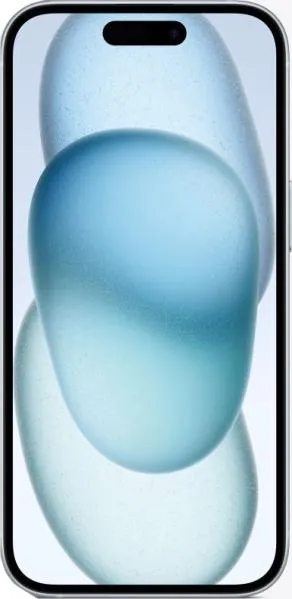
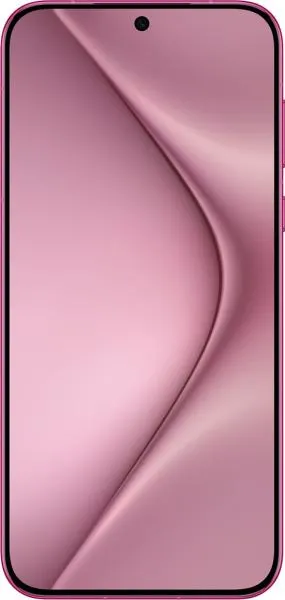
| Feature | Apple iPhone 15 | Huawei Pura 70 | Practical Impact |
|---|---|---|---|
| Design | |||
| Dimensions | 147.6 x 71.6 x 7.8 mm | 157.6 x 74.3 x 8 mm | iPhone 15 is noticeably smaller and lighter, making it more pocketable and comfortable for one-handed use. Huawei Pura 70 may feel bulkier. |
| Weight | 171g | 207g | Significant weight difference; iPhone 15 will feel much lighter in hand and pocket. |
| Display | |||
| Size | 6.1" | 6.6" | Pura 70 offers a larger screen for more immersive media consumption and multitasking. |
| Type | Super Retina XDR OLED | LTPO OLED | Both are high-quality displays. LTPO on the Pura 70 allows for dynamic refresh rate adjustment, potentially saving battery. |
| Resolution | 1179 x 2556 | 1256 x 2760 | Pura 70 has a slightly higher resolution, but the difference in sharpness might be negligible in real-world use due to similar PPI. |
| Refresh Rate | Not specified | 120Hz | 120Hz on the Pura 70 will result in smoother animations and scrolling compared to the iPhone's standard 60Hz (assumed). |
| Peak Brightness | 2000 nits | 2500 nits | Pura 70's higher peak brightness will improve outdoor visibility. |
| Performance | |||
| Chipset | Apple A16 Bionic (4 nm) | Kirin 9000S1 | A16 is a known high-performer. Performance of the Kirin 9000S1 needs further benchmarking for accurate comparison. |
| CPU | Hexa-core (2x3.46 GHz Everest + 4x2.02 GHz Sawtooth) | Octa-core | Core count alone doesn't determine performance. Real-world usage and optimization are key. |
| GPU | Apple GPU (5-core graphics) | 8-core GPU | More GPU cores in the Pura 70 suggest better graphical capabilities, but real-world gaming and graphics performance needs further testing. |
| RAM | 6GB | 12GB | Pura 70 has significantly more RAM, enabling better multitasking and potentially keeping more apps open in the background. |
| Storage | 256GB/512GB | 512GB | Both offer ample storage, but iPhone offers a smaller 256GB option for users with lower storage needs. |
| Battery | |||
| Capacity | 3349 mAh | 4900 mAh | Pura 70 has a much larger battery, likely resulting in significantly longer battery life. |
| Software | |||
| OS | iOS 17 | Not specified | A critical missing detail. OS significantly impacts user experience, app availability, and overall functionality. |
2. Key Differences Analysis
iPhone 15 Advantages:
- Smaller and Lighter: More comfortable for one-handed use and portability.
- Established Chipset: A16 Bionic's performance is well-documented and consistently strong.
- Mature Software Ecosystem: iOS offers a refined user experience and a vast app library.
Huawei Pura 70 Advantages:
- Larger Display with 120Hz: More immersive visuals and smoother scrolling.
- Higher Resolution and Brightness: Slightly sharper visuals and better outdoor visibility.
- Significantly Larger Battery: Potentially much longer battery life.
- More RAM: Superior multitasking capabilities.
Trade-offs:
- iPhone 15: Smaller battery life for a more compact design. Unknown refresh rate.
- Huawei Pura 70: Larger and heavier, potentially less comfortable for one-handed use. Unknown OS details limit comparison.
3. User Profiles & Recommendations
iPhone 15: Users who prioritize a compact and lightweight phone with a smooth user experience and a strong app ecosystem. Ideal for those who value one-handed usability and portability.
Huawei Pura 70: Users who prioritize a large display, long battery life, and strong multitasking capabilities. Suitable for media consumption, gaming, and productivity tasks. Pending OS details, this recommendation is tentative.
4. Decision Framework
Key Questions for Buyers:
- What screen size and portability do you prefer?
- How important is battery life to you?
- What operating system and app ecosystem are you comfortable with?
Scenario-Based Recommendations:
- Daily Commuter: iPhone 15 for its portability and ease of use.
- Power User: Huawei Pura 70 (pending OS confirmation) for its larger screen, longer battery, and greater RAM.
- Media Enthusiast: Huawei Pura 70 (pending OS confirmation) for its larger display and high refresh rate.
My Choice
I would choose the iPhone 15, primarily due to the uncertainty surrounding the Huawei Pura 70's operating system. A phone's OS is fundamental to the user experience, and without knowing which OS it runs (and its limitations, particularly regarding app availability), it's impossible to make a fully informed decision.
While the Pura 70 boasts impressive hardware, including a larger display, bigger battery, and more RAM, these advantages are overshadowed by the OS question. The iPhone 15 offers a proven combination of performance, software, and a refined user experience, making it a safer choice given the available information. If the Pura 70 ran a full-fledged Android OS with Google Mobile Services, the decision would be much more difficult. However, without that crucial information, the iPhone 15 is the more logical choice.
