
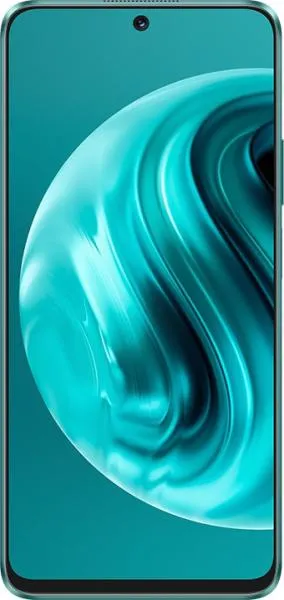
1. Specifications Comparison
| Feature | Apple iPhone 15 | Huawei nova 12i | Practical Impact |
|---|---|---|---|
| Design | |||
| Dimensions | 147.6 x 71.6 x 7.8 mm | 163.3 x 74.7 x 8.4 mm | iPhone 15 is significantly smaller and thinner, making it more pocketable and easier to handle one-handed. |
| Weight | 171g | 199g | iPhone 15 is noticeably lighter, reducing hand fatigue during extended use. |
| Build | Premium materials (assumed) | Unspecified | Build quality impacts durability and premium feel. Lack of information on Nova 12i prevents comparison. |
| Display | |||
| Display Type | Super Retina XDR OLED | IPS LCD | iPhone 15's OLED offers superior contrast, deeper blacks, and wider viewing angles compared to the Nova 12i's LCD. |
| Size | 6.1" | 6.7" | Nova 12i provides a larger screen for more immersive media consumption and multitasking, but sacrifices one-handed usability. |
| Resolution | 1179 x 2556 | 1080 x 2388 | iPhone 15 boasts a sharper display with higher pixel density (461 ppi vs 391 ppi), resulting in crisper text and images. |
| Refresh Rate | Unspecified | 90Hz | A higher refresh rate on the Nova 12i results in smoother scrolling and animations. Lack of information for iPhone 15 prevents direct comparison. |
| Peak Brightness | 2000 nits | Unspecified | iPhone 15's higher peak brightness ensures better visibility in direct sunlight. |
| Performance | |||
| Chipset | Apple A16 Bionic (4 nm) | Qualcomm Snapdragon 680 4G (6 nm) | A16 Bionic significantly outperforms Snapdragon 680 in processing power and graphics rendering, enabling smoother multitasking, faster app loading, and superior gaming performance. |
| CPU | Hexa-core (2x3.46 GHz + 4x2.02 GHz) | Octa-core (4x2.4 GHz + 4x1.9 GHz) | Core count doesn't directly translate to performance. A16's architecture and higher clock speeds indicate superior performance. |
| RAM | 6GB | 8GB | While Nova 12i has more RAM, the A16's efficiency likely mitigates this difference in real-world usage. |
| Storage | 256GB/512GB | 256GB | Comparable storage options. |
| Battery | |||
| Capacity | 3349 mAh | 5000 mAh | Nova 12i has significantly larger battery capacity, potentially offering longer battery life. However, real-world usage depends on software optimization and display efficiency. |
| Software | |||
| OS | iOS 17 | Unspecified | Lack of OS information for Nova 12i prevents comparison. |
2. Key Differences Analysis
iPhone 15 Advantages:
- Significantly higher performance: The A16 Bionic chip offers a substantial performance advantage for demanding tasks and gaming.
- Superior display quality: OLED technology provides better contrast, colors, and viewing angles. Higher resolution ensures sharper visuals.
- More compact and lightweight design: Easier to handle and carry.
- Brighter display: Enhanced outdoor visibility.
Huawei nova 12i Advantages:
- Larger battery: Potentially longer battery life.
- Larger display: More immersive media consumption and multitasking.
- Higher refresh rate: Smoother scrolling and animations (assuming iPhone 15 maintains 60Hz).
3. User Profiles & Recommendations
iPhone 15: Users who prioritize performance, premium design, a vibrant display, and a robust app ecosystem. Ideal for demanding tasks, gaming, and content creation.
Huawei nova 12i: Users who prioritize battery life, a large display for media consumption, and affordability. Suitable for casual gaming, social media, and general use. Lack of clear OS information makes a strong recommendation difficult.
4. Decision Framework
Key Questions:
- What is your budget? Both are mid-range, but specific pricing will influence the value proposition.
- What are your primary use cases? Demanding tasks/gaming vs. casual use/media consumption.
- Which operating system do you prefer? iOS vs. Unknown OS on the Nova 12i.
My Choice: Apple iPhone 15
While the Huawei nova 12i offers a larger battery and display, the lack of critical information, especially regarding the operating system and build quality, makes a comprehensive comparison difficult.
The iPhone 15's significant performance advantage, superior display quality, and more compact design are compelling. The A16 Bionic chip ensures a smooth user experience for years to come, and the vibrant OLED display is a clear winner. Even with a smaller battery, Apple's optimization often results in competitive battery life. Finally, the established iOS ecosystem offers a wider selection of apps and a strong track record of software updates. Therefore, the iPhone 15 is the clear choice based on the available information.
