1. Specifications Comparison
| Feature | Category | Apple iPhone 15 | Google Pixel 9 | Practical Impact |
|---|---|---|---|---|
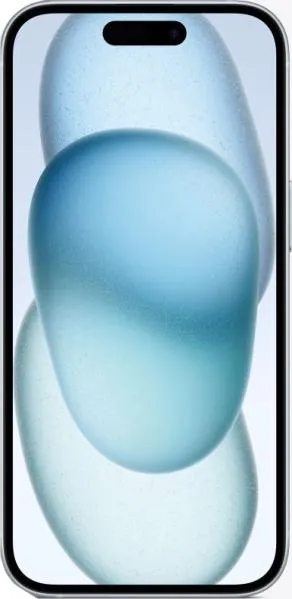
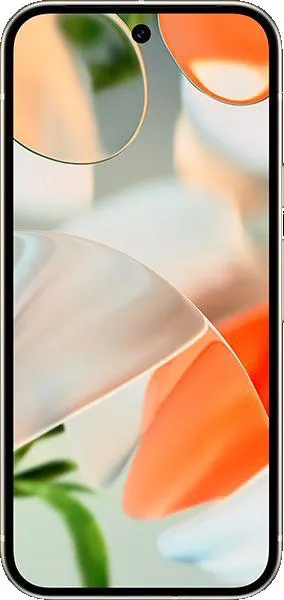
| Dimensions | Design | 147.6 x 71.6 x 7.8 mm | 152.8 x 72 x 8.5 mm | Pixel 9 is noticeably larger and thicker. iPhone 15 is more pocketable. |
| Weight | Design | 171g | 198g | Pixel 9 is heavier, potentially leading to fatigue during extended use. |
| Display Size | Display | 6.1 inches | 6.3 inches | Pixel 9 offers a slightly larger viewing area for media consumption. |
| Display Type | Display | Super Retina XDR OLED | OLED | Both are high-quality OLED displays, offering vibrant colors and deep blacks. |
| Resolution | Display | 1179 x 2556 | 1080 x 2424 | iPhone 15 has a sharper display due to higher pixel density (461 ppi vs 422 ppi). |
| Refresh Rate | Display | Not Specified | 120Hz | Pixel 9's 120Hz refresh rate results in smoother scrolling and animations, potentially improving gaming and overall UI experience. iPhone 15's refresh rate is unknown but likely 60Hz based on previous models. |
| Peak Brightness | Display | 2000 nits | 2700 nits | Pixel 9's higher peak brightness ensures better visibility in direct sunlight. |
| Chipset | Performance | Apple A16 Bionic (4 nm) | Google Tensor G4 (4 nm) | Both are powerful chips, but real-world performance differences will depend on optimization. A16 historically benchmarks higher in raw performance. |
| CPU | Performance | Hexa-core | Octa-core | Core count alone doesn't determine performance. A16's architecture and single-core performance are generally superior. |
| GPU | Performance | Apple GPU (5-core) | Mali-G715 MC7 | Apple's GPUs are known for their strong performance in gaming and graphics-intensive tasks. Direct comparison is difficult without benchmarks for the Tensor G4. |
| RAM | Performance | 6GB | 12GB | Pixel 9's larger RAM allows for more apps to run in the background without reloading, leading to better multitasking. |
| Battery Capacity | Battery | 3349 mAh | 4700 mAh | Pixel 9 likely offers significantly longer battery life due to larger capacity. |
| OS | Software | iOS 17 | Android 14 | Different operating systems cater to different user preferences and ecosystems. |
| OS Max Version | Software | iOS 18 (Expected) | Android 21 (Expected) | Pixel 9 likely to receive longer software updates, potentially extending its usable lifespan. |
| Storage | Storage | 256GB/512GB | 256GB | Both offer ample storage. iPhone offers a 512GB option for users needing maximum local storage. |
2. Key Differences Analysis
iPhone 15 Advantages:
- Sharper Display: Higher pixel density leads to more detailed visuals.
- Potentially Superior Performance: A16 Bionic has a track record of excellent performance.
- More Compact Design: Smaller and lighter, making it more pocketable.
Pixel 9 Advantages:
- Higher Refresh Rate Display: Smoother scrolling and animations.
- Significantly Larger Battery: Potentially much longer battery life.
- More RAM: Enhanced multitasking capabilities.
- Longer Software Support: More Android OS updates expected.
- Brighter Display: Better outdoor visibility.
Trade-offs:
- iPhone 15: Smaller battery for a more compact design. Potentially shorter software update lifespan.
- Pixel 9: Larger and heavier for longer battery life and larger screen.
3. User Profiles & Recommendations
iPhone 15: Users prioritizing a compact design, a sharp display, and a proven powerful chipset within the Apple ecosystem. Ideal for users heavily invested in Apple services.
Pixel 9: Users prioritizing battery life, smooth display performance, extensive software updates, and a pure Android experience. Best for users who multitask heavily or consume lots of media.
4. Decision Framework
Key Questions:
- How important is battery life? Prioritize Pixel 9 if all-day battery is crucial.
- Do you value a compact phone or a larger screen? iPhone 15 for pocketability, Pixel 9 for media consumption.
- Which operating system do you prefer? iOS for simplicity and integration with Apple devices, Android for customization and openness.
My Choice: Google Pixel 9
While the A16 Bionic in the iPhone 15 is tempting from a performance standpoint, the Pixel 9's significantly larger battery, 120Hz display, increased RAM, and expected longer software support are more compelling to me. I prioritize all-day battery life, smooth user interface performance, and the flexibility of Android. The larger size and weight are acceptable trade-offs for these benefits. While benchmarks are needed to confirm, I suspect the Tensor G4 will offer sufficient performance for my needs.
