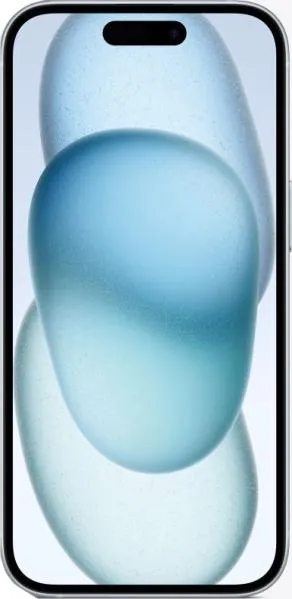
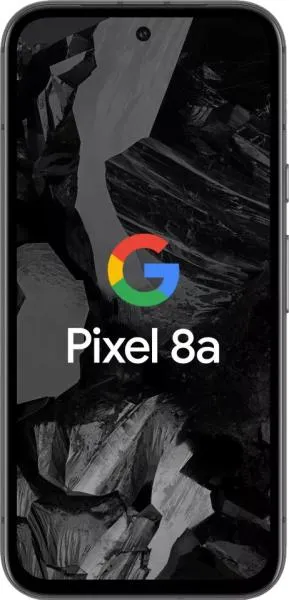
1. Specifications Comparison
| Feature | Apple iPhone 15 | Google Pixel 8a | Practical Impact |
|---|---|---|---|
| Design | |||
| Dimensions | 147.6x71.6x7.8mm | 152.1x72.7x8.9mm | Pixel 8a is noticeably larger and thicker. iPhone 15 is more pocketable. |
| Weight | 171g | 188g | iPhone 15 is lighter and more comfortable for extended use. |
| Build Materials | Not specified | Not specified | Build quality and durability cannot be compared without further information. |
| Display | |||
| Size | 6.1" | 6.1" | Same screen size. |
| Type | Super Retina XDR OLED | OLED | Both offer excellent contrast and vibrant colors. iPhone 15's "Super Retina XDR" likely indicates higher brightness and color accuracy. |
| Resolution | 1179x2556 | 1080x2400 | iPhone 15 has a sharper display due to higher pixel density (461 ppi vs 430 ppi). |
| Refresh Rate | Not specified | 120Hz | Pixel 8a's 120Hz refresh rate provides smoother scrolling and animations, resulting in a more fluid user experience. iPhone 15's refresh rate is unknown and cannot be compared. |
| Peak Brightness | 2000 nits | 2000 nits | Both offer excellent outdoor visibility. |
| Performance | |||
| Chipset | Apple A16 Bionic (4 nm) | Google Tensor G3 (4 nm) | Both are powerful chips built on a 4nm process. Performance differences would need real-world benchmarking. |
| CPU | Hexa-core (2x3.46 GHz Everest + 4x2.02 GHz Sawtooth) | Nona-core (1x3.0 GHz Cortex-X3 & 4x2.45 GHz Cortex-A715 & 4x2.15 GHz Cortex-A510) | Core count differences don't directly translate to performance. Real-world usage and optimization matter more. |
| GPU | Apple GPU (5-core graphics) | Immortalis-G715s MC10 | GPU performance requires further benchmarking for comparison. |
| RAM | 6GB | 8GB | Pixel 8a's larger RAM might allow for better multitasking and app switching, though iOS often manages RAM efficiently even with lower amounts. |
| Storage | 256GB/512GB | 256GB | iPhone offers a 512GB option for users needing more storage. |
| Battery | |||
| Capacity | 3349 mAh | 4492 mAh | Pixel 8a has a significantly larger battery, likely resulting in longer battery life. |
| Software | |||
| OS | iOS 17 | Android 14 | Different operating systems cater to different preferences. iOS is known for its simplicity and privacy focus, while Android offers more customization. |
| Other | |||
| Biometrics | Face ID | Fingerprint (under display) | Different biometric unlock methods cater to user preferences. |
2. Key Differences Analysis
iPhone 15 Advantages:
- Potentially Brighter & Sharper Display: While both have the same peak brightness, the "Super Retina XDR" branding suggests the iPhone 15 may have better overall display quality. Higher resolution leads to sharper images and text.
- More Compact and Lightweight: Easier to handle and carry.
- Larger Storage Option: 512GB option for users who need more space.
Pixel 8a Advantages:
- Higher Refresh Rate: Smoother and more responsive user interface.
- Significantly Larger Battery: Potentially much longer battery life.
- More RAM: Could lead to better multitasking performance.
- Fingerprint Sensor: Some users prefer fingerprint unlock over facial recognition.
3. User Profiles & Recommendations
iPhone 15: Users who prioritize a compact and lightweight design, a potentially brighter and sharper display, and the iOS ecosystem. Ideal for users who value simplicity and a seamless experience within the Apple ecosystem.
Pixel 8a: Users who prioritize battery life, a smooth display with a high refresh rate, and the flexibility of Android. Best for users who value customization, longer battery life, and potentially better multitasking.
4. Decision Framework
Key Questions:
- Which operating system do you prefer? iOS or Android?
- How important is battery life to you?
- Do you value a compact design or a smoother display with a higher refresh rate more?
Scenario-Based Recommendations:
- Heavy User: Pixel 8a due to larger battery and more RAM.
- One-Handed Use Focus: iPhone 15 for its compact size and lighter weight.
- Gamer: Pixel 8a due to higher refresh rate.
My Choice: Google Pixel 8a
Reasoning: While the iPhone 15 might offer a slightly better display and a more compact design, the Pixel 8a's significantly larger battery, higher refresh rate display, and extra RAM are more compelling to me. I prioritize battery life and a smooth user experience, and the Pixel 8a delivers in those areas. While operating system preference is subjective, I appreciate the flexibility and customization options offered by Android. The larger physical size of the Pixel 8a is a minor trade-off for these advantages, in my opinion. Finally, while benchmarks are needed to confirm, the newer Tensor G3 chip in the Pixel 8a likely closes the performance gap with the A16, if one even exists in real-world usage.
