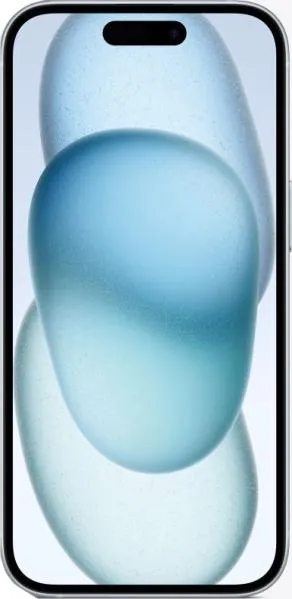
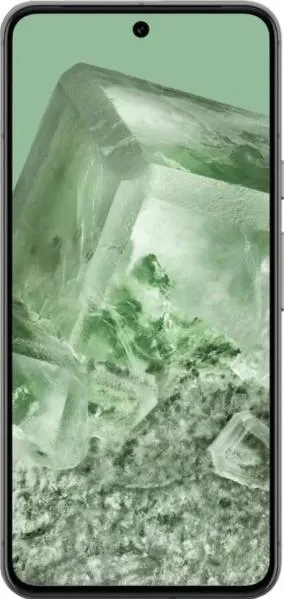
1. Specifications Comparison
| Feature | Apple iPhone 15 | Google Pixel 8 | Practical Impact |
|---|---|---|---|
| Design | |||
| Dimensions | 147.6 x 71.6 x 7.8 mm | 150.5 x 70.8 x 8.9 mm | Pixel 8 is slightly larger and thicker. |
| Weight | 171 g | 187 g | iPhone 15 is noticeably lighter. |
| Build | Not specified | Not specified | Build materials impact durability and premium feel; information is missing. |
| Display | |||
| Size | 6.1" | 6.2" | Pixel 8 offers a slightly larger screen. |
| Type | Super Retina XDR OLED | OLED | Both are high-quality OLED displays, but Apple's typically boasts better color accuracy and calibration. |
| Resolution | 1179 x 2556 | 1080 x 2400 | iPhone 15 has a sharper display due to higher pixel density (461 ppi vs 428 ppi). |
| Refresh Rate | Not specified | 120Hz | 120Hz on the Pixel 8 results in smoother scrolling and animations compared to a standard 60Hz (assumed for iPhone 15, but not specified). |
| Peak Brightness | 2000 nits | 2000 nits | Both offer excellent outdoor visibility. |
| Performance | |||
| Chipset | Apple A16 Bionic (4 nm) | Google Tensor G3 (4 nm) | Both are powerful chips, but benchmarks are needed for accurate comparison. A16 historically performs better in raw power. |
| CPU | Hexa-core | Nona-core | Core count doesn't directly translate to performance; architecture and optimization are key. |
| GPU | Apple GPU (5-core graphics) | Immortalis-G715s MC10 | Gaming and graphic-intensive tasks might show performance differences. More information needed. |
| RAM | 6GB | 8GB | Pixel 8 having more RAM could improve multitasking and app switching performance. |
| Battery | |||
| Capacity | 3349 mAh | 4575 mAh | Pixel 8 has significantly larger battery capacity, likely leading to longer battery life. |
| Other | |||
| OS | iOS 17 | Android 14 | Different operating systems cater to different preferences and ecosystems. |
| Storage | 256GB/512GB | 256GB | iPhone 15 offers a 512GB option for users needing more storage. |
| Sensors | Face ID, accelerometer, gyro, proximity, compass, barometer | Fingerprint (under display), accelerometer, gyro, proximity, compass, barometer | Biometric authentication preferences vary. |
2. Key Differences Analysis
iPhone 15 Advantages:
- Sharper Display: Higher resolution leads to more detailed visuals.
- Potentially Faster Performance: A16 Bionic has a strong performance track record.
- Lighter and More Compact: Easier to handle and carry.
Pixel 8 Advantages:
- Higher Refresh Rate Display: Smoother and more responsive user experience.
- Larger Battery: Significantly longer battery life.
- More RAM: Better multitasking and performance with demanding apps.
- Fingerprint Sensor: Some users prefer fingerprint authentication over facial recognition.
3. User Profiles & Recommendations
iPhone 15: Users prioritizing a compact, lightweight phone with a sharp display, potentially stronger performance, and within the Apple ecosystem. Ideal for users who value portability and a seamless experience with other Apple devices.
Pixel 8: Users who prioritize battery life, a smooth display, and the flexibility of Android. Ideal for power users, gamers, or those who consume a lot of media on their phone.
4. Decision Framework
Key Questions:
- How important is battery life? Pixel 8 is the clear winner here.
- Do you prioritize a smooth display or a sharper one? 120Hz on Pixel 8 vs. higher resolution on iPhone 15.
- Which operating system do you prefer? iOS vs. Android is a matter of personal preference and ecosystem.
Scenario-Based Recommendations:
- Heavy User: Pixel 8 for its larger battery and RAM.
- Media Consumption: Pixel 8 for the larger display and 120Hz refresh rate.
- Portability Focus: iPhone 15 for its lighter weight and smaller size.
My Choice: Google Pixel 8
Reasoning: While the iPhone 15 likely edges out in raw performance and display sharpness, the Pixel 8's significantly larger battery, 120Hz refresh rate for smoother scrolling, extra RAM for better multitasking, and the under-display fingerprint sensor (a personal preference) make it a more compelling overall package for my needs. The slightly larger size is a trade-off I'm willing to make for the substantial increase in battery life and smoother user experience. Furthermore, I value the open nature and customization options of the Android operating system.
