1. Specifications Comparison
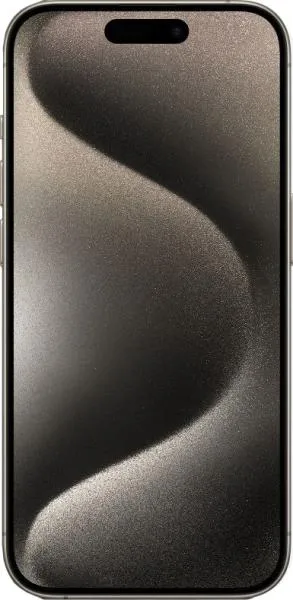
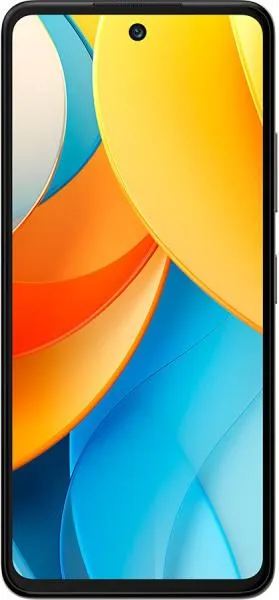
| Feature | Apple iPhone 15 Pro | ZTE Blade V60 Design | Practical Impact |
|---|---|---|---|
| Design | |||
| Dimensions | 146.6 x 70.6 x 8.3 mm | 164.2 x 75.3 x 8.6 mm | iPhone 15 Pro is significantly smaller and more pocketable. |
| Weight | 187g | 198g | iPhone 15 Pro is slightly lighter. |
| Build Materials | Not specified | Not specified | Build quality and durability are unknown without further information. |
| Display | |||
| Display Type | LTPO Super Retina XDR OLED | IPS LCD | iPhone's OLED offers significantly better contrast, color accuracy, and viewing angles. |
| Size | 6.1" | 6.6" | Blade V60 Design offers a larger screen for media consumption. |
| Resolution | 1179 x 2556 (461 ppi) | 720 x 1612 (267 ppi) | iPhone has a much sharper display with greater detail. |
| Refresh Rate | 120Hz | 90Hz | iPhone provides smoother scrolling and animations. |
| Peak Brightness | 2000 nits (HBM) | Not specified | iPhone's higher peak brightness ensures better visibility in sunlight. |
| Performance | |||
| Chipset | Apple A17 Pro (3 nm) | Unisoc T606 (12 nm) | A17 Pro is significantly more powerful, enabling smoother multitasking, faster app loading, and better gaming performance. |
| CPU | Hexa-core (2x3.78 GHz + 4x2.11 GHz) | Octa-core (2x1.6 GHz Cortex-A75 & 6x1.6 GHz Cortex-A55) | iPhone's CPU offers superior processing power for demanding tasks. |
| GPU | Apple GPU (6-core graphics) | Mali-G57 MP1 | iPhone's GPU delivers a far better gaming and graphics-intensive experience. |
| RAM | 8GB | 6GB | iPhone's larger RAM capacity allows for better multitasking. |
| Storage | 256GB, 512GB, 1TB | 256GB | Both offer ample storage, but iPhone provides higher storage tier options. |
| Camera | |||
| Rear Camera | Not specified | Not specified | Camera quality cannot be compared without specific sensor and lens information. |
| Video Capabilities | Up to 4K@60fps (HDR), 1080p@240fps (HDR) | 1080p@30fps | iPhone offers significantly higher resolution and frame rate video recording capabilities. |
| Battery | |||
| Capacity | 3274 mAh | 5000 mAh | Blade V60 Design has a larger battery capacity, potentially offering longer battery life. However, real-world battery life depends on various factors including software optimization. |
2. Key Differences Analysis
iPhone 15 Pro Advantages:
- Significantly higher performance: The A17 Pro chip offers a substantial performance advantage for demanding tasks, gaming, and future-proofing.
- Superior Display: The OLED display with 120Hz refresh rate and high resolution delivers a much better visual experience.
- Premium Build: While materials aren't specified, iPhones generally have a more premium build quality.
- Advanced Camera Features: While specific sensor details are missing, the video recording capabilities alone showcase a more advanced camera system on the iPhone.
ZTE Blade V60 Design Advantages:
- Larger Battery: The 5000 mAh battery potentially provides longer battery life, appealing to users who prioritize endurance.
- Larger Display: The 6.6" screen provides more screen real estate for media consumption.
- Lower Price: The "low price" range suggests a significantly more affordable option.
3. User Profiles & Recommendations
iPhone 15 Pro: Users who prioritize performance, a premium experience, a vibrant display, and advanced camera features. Ideal for demanding tasks, gaming, content creation, and users willing to pay a premium for quality.
ZTE Blade V60 Design: Budget-conscious users who prioritize battery life and a large screen for media consumption. Suitable for basic tasks, web browsing, social media, and users who don't require top-tier performance.
4. Decision Framework
Key Questions for Buyers:
- What is your budget? The iPhone 15 Pro is a "high price" device, while the ZTE Blade V60 Design is "low price."
- What are your primary use cases? Demanding tasks and gaming benefit from the iPhone's performance; basic tasks and media consumption are well-suited for the Blade V60 Design.
- How important are display quality and camera features? The iPhone significantly outperforms the Blade V60 Design in these areas.
My Choice: Apple iPhone 15 Pro
While lacking some specific camera details, the iPhone 15 Pro is the clear winner for me. I prioritize a smooth and responsive user experience, which the A17 Pro chip and 120Hz display guarantee. The superior display quality and advanced camera capabilities (even with limited information) are also crucial factors. While the Blade V60 Design offers a larger battery and screen, the significant performance difference and overall quality of the iPhone outweigh those benefits for my personal needs. I am willing to pay the premium for a device that will provide a better long-term experience. The iPhone's compact size is also preferable to me.
