1. Specifications Comparison
| Feature | Apple iPhone 15 Pro | Xiaomi Redmi Note 13 | Practical Impact |
|---|---|---|---|
| Design | |||
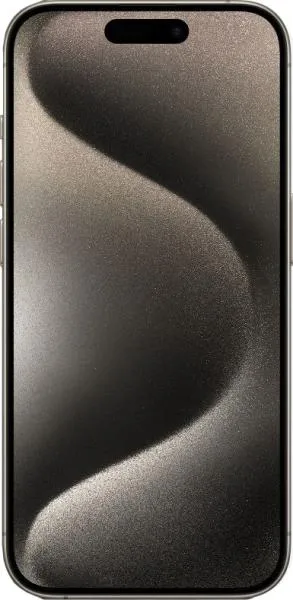
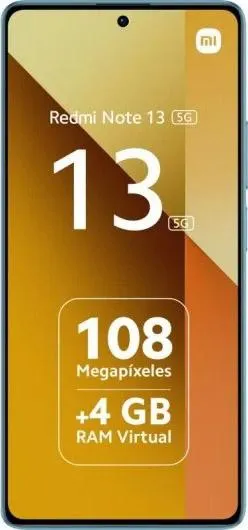
| Dimensions | 146.6 x 70.6 x 8.3 mm | 161.1 x 75 x 7.6 mm | iPhone 15 Pro is significantly smaller and more pocketable. Redmi Note 13 is larger, potentially less comfortable for one-handed use. |
| Weight | 187g | 174.5g | Redmi Note 13 is slightly lighter, but the difference is minimal in practical use. |
| Build Materials | Unspecified | Unspecified | Build quality and premium feel cannot be assessed without material information. |
| Display | |||
| Display Size | 6.1" | 6.67" | Redmi Note 13 offers a larger screen for more immersive media consumption and multitasking. |
| Display Type | LTPO Super Retina XDR OLED | AMOLED | Both are high-quality display technologies. iPhone's LTPO allows for dynamic refresh rate adjustment, potentially saving battery. |
| Resolution | 1179 x 2556 | 1080 x 2400 | iPhone 15 Pro boasts a sharper display (461 ppi vs 395 ppi), resulting in crisper text and images. |
| Refresh Rate | 120Hz | 120Hz | Both offer smooth scrolling and animations. |
| Peak Brightness | 2000 nits (HBM) | 1000 nits | iPhone 15 Pro gets significantly brighter outdoors, ensuring better visibility in direct sunlight. |
| Performance | |||
| Chipset | Apple A17 Pro (3 nm) | Mediatek Dimensity 6080 (6 nm) | A17 Pro is expected to offer significantly better performance and efficiency due to its more advanced manufacturing process and architecture. |
| CPU | Hexa-core (2x3.78 GHz + 4x2.11 GHz) | Octa-core (2x2.4 GHz Cortex-A76 & 6x2.0 GHz Cortex-A55) | A17 Pro's higher clock speeds suggest superior single-core performance, crucial for responsiveness. |
| GPU | Apple GPU (6-core graphics) | Mali-G57 MC2 | Apple's custom GPU generally outperforms Mali GPUs in benchmarks, leading to smoother gaming and graphics-intensive tasks. |
| RAM | 8GB | 8GB/12GB | RAM options are comparable, with the Redmi offering a 12GB variant for potentially better multitasking. However, iOS and Android manage RAM differently, so direct comparison is limited. |
| Storage | 256GB, 512GB, 1TB | 256GB | iPhone offers higher storage options for users with large media libraries. |
| Battery | |||
| Capacity | 3274 mAh | 5000 mAh | Redmi Note 13 has a significantly larger battery, likely translating to longer battery life. |
| Camera | |||
| Video Capabilities | Up to 4K@60fps (HDR), 1080p@240fps (HDR) | 1080p@30fps | iPhone offers significantly better video recording capabilities with higher resolution, frame rates, and HDR support. |
| Details | Lacking detailed camera specifications for both phones. | Lacking detailed camera specifications for both phones. | Cannot compare camera quality and features without sensor size, aperture, and other details. |
2. Key Differences Analysis
iPhone 15 Pro Advantages:
- Superior Performance: The A17 Pro chip offers a significant performance advantage for demanding tasks and gaming.
- Brighter, Sharper Display: The LTPO display provides better outdoor visibility and sharper visuals.
- Premium Design: While materials are unspecified, iPhones generally have a more premium build quality.
- Advanced Video Recording: Offers superior video resolution, frame rates, and HDR.
Redmi Note 13 Advantages:
- Larger Battery: The 5000mAh battery likely provides much longer battery life.
- Larger Display: Offers a more immersive experience for media consumption.
- Lower Price: Significantly more affordable.
3. User Profiles & Recommendations
iPhone 15 Pro: Ideal for users who prioritize performance, a premium experience, the iOS ecosystem, and advanced video recording capabilities. Best for demanding tasks, gaming, and content creation.
Redmi Note 13: Best suited for budget-conscious users who prioritize battery life and a large display for media consumption. Good for casual gaming, social media, and everyday tasks.
4. Decision Framework
Key Questions for Buyers:
- What is your budget? The iPhone 15 Pro is significantly more expensive.
- What are your performance needs? For demanding tasks and gaming, the iPhone 15 Pro is far superior.
- How important is battery life? The Redmi Note 13 likely offers significantly longer battery life.
My Choice: Apple iPhone 15 Pro
While the Redmi Note 13 offers excellent value for its price, I would choose the iPhone 15 Pro. The significant performance difference offered by the A17 Pro chip, coupled with the brighter and sharper display, premium design, and superior video recording capabilities are compelling. I prioritize a smooth and powerful user experience, and I am willing to pay a premium for that. The smaller battery is a trade-off, but manageable with optimized power management in iOS. The ecosystem integration and app quality within the Apple ecosystem are also factors in my decision. Ultimately, the iPhone 15 Pro aligns better with my usage patterns and priorities.
