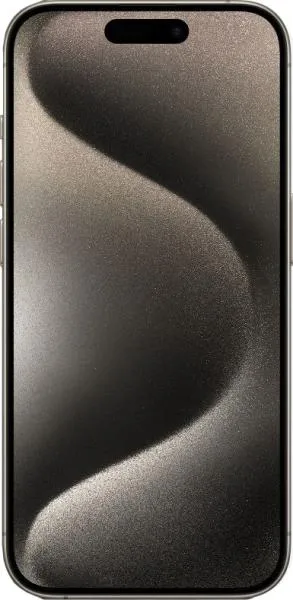
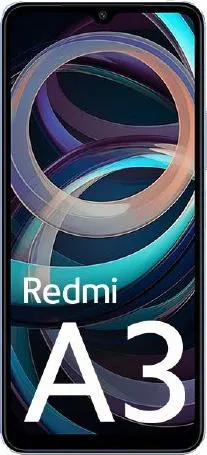
1. Specifications Comparison
| Feature | Apple iPhone 15 Pro | Xiaomi Redmi A3 | Practical Impact |
|---|---|---|---|
| Design | |||
| Dimensions | 146.6 x 70.6 x 8.3 mm | 168.3 x 76.3 x 8.3 mm | iPhone 15 Pro is significantly smaller and easier to handle one-handed. Redmi A3 is larger, potentially better for media consumption but less pocketable. |
| Weight | 187g | 193g | Negligible weight difference in practical use. |
| Build | Titanium frame | Unspecified | iPhone's titanium frame offers superior durability and premium feel. Information about Redmi A3's build materials is missing. |
| Display | |||
| Size | 6.1" | 6.71" | Redmi A3 offers a larger screen for more immersive media consumption. iPhone 15 Pro provides a more compact one-handed experience. |
| Type | LTPO Super Retina XDR OLED | IPS LCD | iPhone's OLED delivers significantly better contrast, deeper blacks, and wider viewing angles. |
| Resolution | 1179 x 2556 | 720 x 1650 | iPhone boasts much sharper visuals due to higher resolution and pixel density (461 ppi vs 268 ppi). Text and images will appear crisper on the iPhone. |
| Refresh Rate | 120Hz | 90Hz | iPhone 15 Pro offers smoother scrolling and animations thanks to the higher refresh rate. |
| Brightness | 1000 nits (typ), 2000 nits (HBM) | 500 nits (HBM) | iPhone 15 Pro will be significantly brighter and more readable in direct sunlight. |
| Performance | |||
| Chipset | Apple A17 Pro (3 nm) | Mediatek Helio G36 (12 nm) | A17 Pro is a significantly more powerful chip, resulting in much faster performance in demanding tasks, gaming, and multitasking. |
| CPU | Hexa-core (2x3.78 GHz + 4x2.11 GHz) | Octa-core (4x2.2 GHz Cortex-A53 & 4x1.6 GHz Cortex-A53) | iPhone's CPU architecture and clock speeds indicate superior processing power compared to the Redmi A3. |
| GPU | Apple GPU (6-core graphics) | PowerVR GE8320 | iPhone's GPU will deliver substantially better graphics performance for gaming and other visually intensive tasks. |
| RAM | 8GB | 4GB/6GB | iPhone 15 Pro offers more RAM, enabling better multitasking and smoother performance with multiple apps. |
| Storage | 256GB, 512GB, 1TB | 128GB | iPhone provides more storage options for users with high media consumption needs. |
| Battery | |||
| Capacity | 3274 mAh | 5000 mAh | Redmi A3 has a larger battery capacity, potentially offering longer battery life. However, real-world battery life depends on numerous factors including software optimization and display technology. |
| Camera | |||
| Video Capabilities | Up to 4K@60fps (HDR), 1080p@240fps (HDR) | 1080p@30fps | iPhone offers significantly better video recording capabilities with higher resolution, frame rates, and HDR support. Detailed camera specifications for both phones are missing, limiting comprehensive comparison. |
2. Key Differences Analysis
iPhone 15 Pro Advantages:
- Significantly higher performance: The A17 Pro chip provides a vastly superior user experience for demanding tasks and gaming.
- Superior display: The OLED screen with higher resolution, refresh rate, and brightness delivers a dramatically better visual experience.
- Premium build and design: Titanium frame offers greater durability and a more premium feel.
- Advanced camera features: Significantly better video recording capabilities.
Redmi A3 Advantages:
- Larger battery capacity: Potentially longer battery life, although real-world usage may vary.
- Lower price: Significantly more affordable.
- Larger screen: More immersive experience for media consumption.
3. User Profiles & Recommendations
iPhone 15 Pro: Users who prioritize performance, premium design, a vibrant display, and advanced camera features. Ideal for demanding tasks, gaming, content creation, and users who value a smooth and responsive user experience.
Redmi A3: Budget-conscious users who prioritize battery life and a large screen for media consumption. Suitable for basic tasks like browsing, social media, and casual gaming. Not recommended for demanding users or those who prioritize camera quality and performance.
4. Decision Framework
Key Questions for Buyers:
- What is your budget? The iPhone 15 Pro is significantly more expensive.
- What are your primary use cases? Demanding tasks and gaming benefit from the iPhone's performance; basic tasks are well handled by the Redmi A3.
- Which features are most important to you? Prioritize performance, display, and camera? Choose the iPhone. Prioritize battery life and affordability? Choose the Redmi A3.
My Choice
I would choose the iPhone 15 Pro. While significantly more expensive, the substantial performance difference, superior display, premium build quality, and advanced features justify the price for my needs. I prioritize a smooth and responsive user experience, high-quality visuals, and the ability to run demanding applications and games without compromise. The Redmi A3, while offering a larger battery and screen, compromises too much on performance and overall quality for my personal preferences. The longer lifespan provided by the iPhone's superior hardware and software support also factors into my decision.
