1. Specifications Comparison
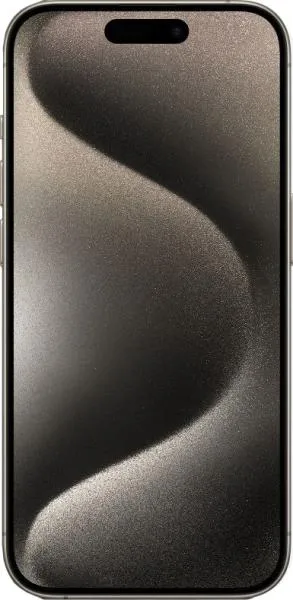
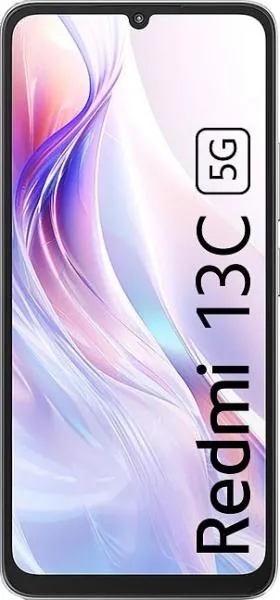
| Feature | Apple iPhone 15 Pro | Xiaomi Redmi 13C 5G | Practical Impact |
|---|---|---|---|
| Design | |||
| Dimensions | 146.6 x 70.6 x 8.3 mm | 168 x 78 x 8.1 mm | iPhone 15 Pro is significantly smaller and easier to handle one-handed. Redmi 13C 5G is larger, potentially less pocketable. |
| Weight | 187g | 192g | Weight difference is negligible in practical use. |
| Build Materials | Titanium frame | Plastic frame (assumed based on price range) | iPhone 15 Pro offers a more premium feel and likely better durability. |
| Display | |||
| Display Type | LTPO Super Retina XDR OLED | IPS LCD | iPhone's OLED offers superior contrast, deeper blacks, and wider viewing angles. Redmi's LCD is less vibrant. |
| Size | 6.1 inches | 6.74 inches | Redmi provides a larger screen for media consumption, but may be less comfortable for one-handed use. |
| Resolution | 1179 x 2556 (461 PPI) | 720 x 1600 (260 PPI) | iPhone has a much sharper display with significantly higher pixel density, resulting in crisper text and images. |
| Refresh Rate | 120Hz | 90Hz | iPhone's 120Hz delivers smoother scrolling and animations, resulting in a more fluid user experience. |
| Brightness | 1000 nits (typ), 2000 nits (peak) | 450 nits (typ), 600 nits (peak) | iPhone offers significantly higher brightness for better outdoor visibility. |
| Performance | |||
| Chipset | Apple A17 Pro (3 nm) | Mediatek Dimensity 6100+ (6 nm) | A17 Pro is expected to offer significantly faster performance and better power efficiency. |
| CPU | Hexa-core (2x3.78 GHz + 4x2.11 GHz) | Octa-core (2x2.2 GHz + 6x2.0 GHz) | Clock speeds suggest the A17 Pro will offer superior performance in demanding tasks. |
| GPU | Apple GPU (6-core) | Mali-G57 MC2 | Apple's custom GPU generally provides better gaming and graphics performance. |
| RAM | 8GB | 6GB | iPhone's larger RAM allows for better multitasking and smoother performance. |
| Battery | |||
| Capacity | 3274 mAh | 5000 mAh | Redmi has a significantly larger battery capacity, likely resulting in longer battery life. |
| Other | |||
| OS | iOS 17 | Android 13 | Different operating systems cater to different user preferences. |
| Storage | 256GB, 512GB, 1TB | 128GB | iPhone offers significantly more storage options. |
| Price | High | Medium | Significant price difference reflects the disparity in features and performance. |
2. Key Differences Analysis
iPhone 15 Pro Advantages:
- Superior Performance: The A17 Pro chip offers a significant performance advantage for demanding tasks and gaming.
- Premium Display: The OLED display with 120Hz refresh rate offers a vastly superior visual experience.
- Compact Design: Smaller form factor preferred by users who value one-handed usability.
- Advanced Camera System: While not detailed here, Pro iPhones are known for their excellent camera capabilities.
Redmi 13C 5G Advantages:
- Longer Battery Life: Larger battery capacity suggests significantly longer usage time between charges.
- Lower Price: More affordable option for budget-conscious consumers.
- Larger Display: Preferred by users who prioritize media consumption and larger screen real estate.
3. User Profiles & Recommendations
iPhone 15 Pro: Users who prioritize performance, premium design, a fluid user experience, and are willing to pay a premium price. Ideal for demanding tasks, gaming, and content creation.
Redmi 13C 5G: Budget-conscious users who prioritize battery life and a large display for media consumption. Suitable for everyday tasks, social media, and light gaming.
4. Decision Framework
Key Questions for Buyers:
- What is your budget? The iPhone 15 Pro is significantly more expensive.
- What are your performance needs? For demanding tasks and gaming, the iPhone 15 Pro is a clear winner.
- What screen size do you prefer? Larger screen for media consumption (Redmi) vs. smaller for one-handed use (iPhone).
My Choice: Apple iPhone 15 Pro
While the Redmi 13C 5G offers excellent value for its price, I would choose the iPhone 15 Pro. The significantly superior performance, premium display, smoother user experience offered by the 120Hz refresh rate, and compact design are crucial factors for me. I prioritize a fluid and responsive device for productivity and occasional gaming, and I am willing to invest in the higher quality and performance offered by the iPhone 15 Pro. While battery life is important, I value the overall user experience more. The significantly sharper and brighter display also enhances daily usage considerably.
