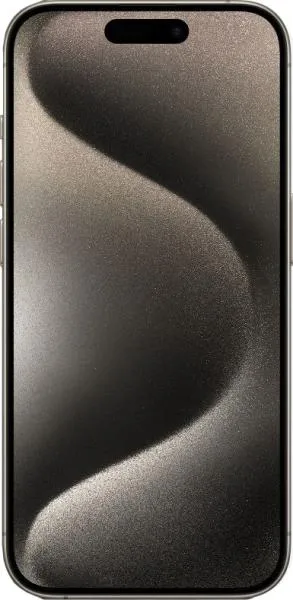
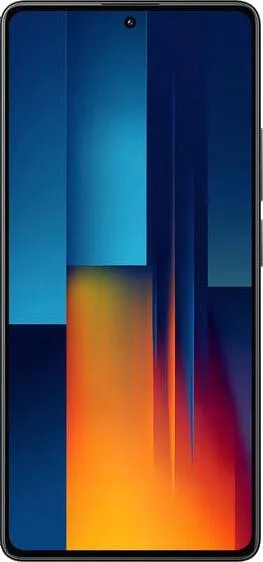
1. Specifications Comparison
| Feature | Apple iPhone 15 Pro | Xiaomi Poco M6 Pro | Practical Impact |
|---|---|---|---|
| Design | |||
| Dimensions | 146.6 x 70.6 x 8.3 mm | 161.1 x 75 x 8 mm | iPhone 15 Pro is significantly smaller and more pocketable. Poco M6 Pro is larger, potentially less comfortable for one-handed use. |
| Weight | 187g | 179g | Negligible weight difference in practical use. |
| Build Materials | Unspecified | Unspecified | Build quality and durability cannot be compared without further information. |
| Display | |||
| Size | 6.1 inches | 6.67 inches | Poco M6 Pro offers a larger screen for more immersive media consumption. iPhone 15 Pro is more compact. |
| Type | LTPO Super Retina XDR OLED | AMOLED | Both are high-quality display technologies. iPhone's LTPO allows for dynamic refresh rate adjustment, potentially saving battery. |
| Resolution | 1179 x 2556 | 1080 x 2400 | iPhone 15 Pro has a sharper display (461 ppi vs 395 ppi), resulting in crisper text and images. |
| Refresh Rate | 120Hz | 120Hz | Both offer smooth scrolling and animations. |
| Peak Brightness | 2000 nits (HBM) | 1300 nits (peak) | iPhone 15 Pro offers significantly higher peak brightness, ensuring better visibility in direct sunlight. |
| Performance | |||
| Chipset | Apple A17 Pro (3 nm) | Mediatek Helio G99 Ultra | A17 Pro is expected to significantly outperform the Helio G99 in terms of processing power and graphics performance. |
| CPU | Hexa-core (2x3.78 GHz + 4x2.11 GHz) | Octa-core (2x2.2 GHz Cortex-A76 & 6x2.0 GHz Cortex-A55) | A17 Pro's architecture and higher clock speeds will provide superior performance in demanding tasks and gaming. |
| GPU | Apple GPU (6-core graphics) | Mali-G57 MC2 | iPhone 15 Pro should offer significantly better gaming and graphics performance. |
| RAM | 8GB | 12GB | While Poco M6 Pro has more RAM, A17 Pro's superior architecture and iOS optimization likely negate this advantage in real-world performance. |
| Storage | 256GB, 512GB, 1TB | 512GB | Both offer ample storage, but iPhone provides more options. |
| Camera | |||
| Specifications | Missing from both | Missing from both | Camera quality cannot be compared without detailed sensor and lens information. |
| Video Capabilities | Up to 4K@60fps (HDR), 1080p@240fps (HDR) | 1080p@30/60fps (EIS) | iPhone offers superior video recording capabilities with higher resolution, frame rates, and HDR support. |
| Battery | |||
| Capacity | 3274 mAh | 5000 mAh | Poco M6 Pro has a much larger battery capacity, suggesting significantly longer battery life. |
2. Key Differences Analysis
iPhone 15 Pro Advantages:
- Significantly higher performance: The A17 Pro chip provides a substantial performance advantage for demanding tasks and gaming.
- Superior Display: Brighter, sharper, and with dynamic refresh rate for better power efficiency.
- Premium Design: Expected to use higher quality materials (though unspecified).
- More advanced video recording capabilities: Higher resolutions, frame rates, and HDR.
Xiaomi Poco M6 Pro Advantages:
- Larger Battery: Significantly larger battery capacity, likely resulting in much longer battery life.
- Larger Display: More immersive experience for media consumption.
- Lower Price: Positioned in the mid-range price segment.
3. User Profiles & Recommendations
iPhone 15 Pro: Users who prioritize performance, a premium experience, the latest technology, and a compact form factor. Ideal for demanding tasks, gaming, content creation, and users who value a polished software experience.
Xiaomi Poco M6 Pro: Users who prioritize battery life, a large display for media consumption, and value for money. Ideal for users with moderate usage patterns, focusing on communication, web browsing, and media consumption.
4. Decision Framework
Key Questions:
- What is your budget? The iPhone 15 Pro is significantly more expensive.
- What are your performance needs? For demanding tasks and gaming, the iPhone 15 Pro is vastly superior.
- What is your priority: battery life or portability? The Poco M6 Pro offers longer battery life, while the iPhone 15 Pro is more compact.
My Choice: Apple iPhone 15 Pro
While the Poco M6 Pro offers compelling value with its large battery and display, the iPhone 15 Pro's superior performance, display quality, and overall premium experience are more aligned with my personal needs. I prioritize a smooth and responsive user experience, which the A17 Pro chip delivers. The brighter and sharper display also enhances my daily usage, particularly outdoors. While battery life is important, I'm willing to compromise for the significant performance and feature advantages offered by the iPhone 15 Pro. The compact form factor is also more appealing to me. Finally, the advanced video recording capabilities are a significant factor in my decision, as I frequently capture video content.
