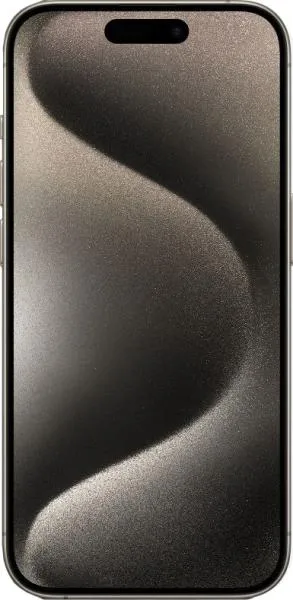
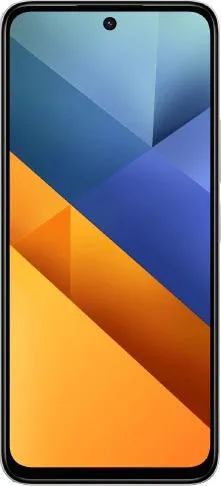
1. Specifications Comparison
| Feature | Apple iPhone 15 Pro | Xiaomi Poco M6 4G | Practical Impact |
|---|---|---|---|
| Design | |||
| Dimensions | 146.6x70.6x8.3mm | 168.6x76.3x8.3mm | iPhone 15 Pro is significantly smaller and easier to handle one-handed. Poco M6 4G is larger, potentially better for media consumption but less pocketable. |
| Weight | 187g | 205g | iPhone 15 Pro is noticeably lighter, reducing hand fatigue during extended use. |
| Build | Titanium Frame | (Missing Information) | Material differences impact durability and premium feel. Lack of information on Poco M6 4G build limits comparison. |
| Display | |||
| Display Type | LTPO Super Retina XDR OLED | IPS LCD | iPhone's OLED offers superior contrast, deeper blacks, and more vibrant colors. |
| Size | 6.1" | 6.79" | Poco M6 4G provides a larger screen for immersive media consumption, while the iPhone 15 Pro offers better one-handed usability. |
| Resolution | 1179x2556 | 1080x2460 | iPhone has a sharper display with higher pixel density (461 ppi vs 396 ppi), resulting in crisper text and images. |
| Refresh Rate | 120Hz | 90Hz | iPhone 15 Pro's 120Hz offers smoother scrolling and animations, resulting in a more fluid user experience. |
| Performance | |||
| Chipset | Apple A17 Pro (3 nm) | Mediatek Helio G91 Ultra (12 nm) | A17 Pro is significantly more powerful, enabling faster app loading, smoother multitasking, and better gaming performance. |
| CPU | Hexa-core (2x3.78 GHz + 4x2.11 GHz) | Octa-core (2x2.0 GHz Cortex-A75 & 6x1.8 GHz Cortex-A55) | A17 Pro's architecture and higher clock speeds deliver superior processing power. |
| GPU | Apple GPU (6-core graphics) | Mali-G52 MC2 | iPhone 15 Pro offers significantly better graphics performance for demanding games and applications. |
| RAM | 8GB | 8GB | RAM is equal, however, the superior processing power of the iPhone will likely result in better RAM management. |
| Camera | |||
| Video Capabilities | 4K@60fps (HDR), 1080p@240fps (HDR) | 1080p@30fps | iPhone offers significantly higher resolution and frame rate video recording capabilities including slow-motion. Limited information on Poco M6 4G camera prevents detailed comparison. |
| Battery | |||
| Capacity | 3274 mAh | 5030 mAh | Poco M6 4G has a much larger battery capacity, potentially lasting significantly longer on a single charge. |
2. Key Differences Analysis
iPhone 15 Pro Advantages:
- Significantly higher performance: The A17 Pro chip provides a substantial performance advantage for demanding tasks and gaming.
- Superior display: The OLED display offers richer colors, deeper blacks, and a higher refresh rate for a smoother visual experience.
- Premium build and compact design: The use of Titanium contributes to a more durable and premium feel. The smaller size enhances one-handed usability.
- Advanced camera features: Offers superior video recording capabilities.
Xiaomi Poco M6 4G Advantages:
- Larger battery: Potentially much longer battery life.
- Lower price: Significantly more affordable.
- Larger display: Provides a more immersive experience for media consumption.
Trade-offs:
- The Poco M6 4G sacrifices performance, display quality, and camera features for a lower price and larger battery.
- The iPhone 15 Pro prioritizes performance and premium features at a higher price point and with a smaller battery.
3. User Profiles & Recommendations
iPhone 15 Pro: Users who prioritize performance, premium design, a vibrant display, and advanced camera features. Ideal for demanding tasks, gaming, content creation, and users who value a smooth and responsive user experience.
Xiaomi Poco M6 4G: Budget-conscious users who prioritize battery life and a large screen for media consumption. Suitable for everyday tasks, web browsing, social media, and casual gaming. Less suitable for demanding applications or users who prioritize camera quality.
4. Decision Framework
Key Questions:
- What is your budget? The iPhone 15 Pro is significantly more expensive.
- What are your primary use cases? Demanding tasks and gaming favor the iPhone 15 Pro. Media consumption and long battery life favor the Poco M6 4G.
- What features do you prioritize? Performance, display quality, and camera capabilities vs. battery life and affordability.
My Choice: Apple iPhone 15 Pro
While the Poco M6 4G offers excellent value for its price, I would choose the iPhone 15 Pro. The significantly superior performance, smoother display, premium build quality, and advanced camera features are crucial for my workflow and personal preferences. I often use demanding applications, value a responsive and fluid user experience, and appreciate high-quality visuals. While battery life is important, I'm willing to compromise in this area for the overall superior experience offered by the iPhone 15 Pro. I also value the more compact form factor. The price difference is significant, but the long-term value and user experience justify the investment for my needs.
