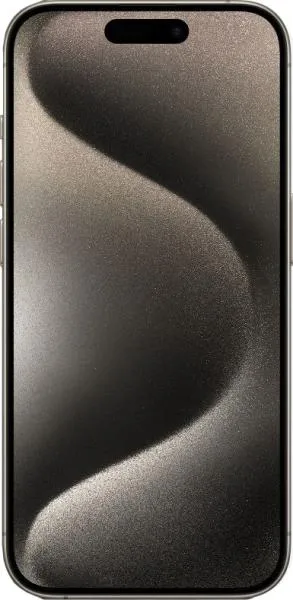
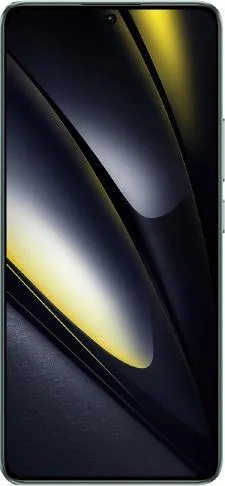
1. Specifications Comparison
| Feature | Apple iPhone 15 Pro | Xiaomi Poco F6 | Practical Impact |
|---|---|---|---|
| Design | |||
| Dimensions | 146.6 x 70.6 x 8.3 mm | 160.5 x 74.5 x 8 mm | iPhone 15 Pro is noticeably smaller and potentially easier to handle one-handed. Poco F6 is larger, offering a more immersive media experience but might be less pocketable. |
| Weight | 187g | 179g | Poco F6 is slightly lighter, reducing hand fatigue during extended use. |
| Build Materials | Not specified | Not specified | Build quality and premium feel cannot be compared without further information. |
| Display | |||
| Size | 6.1" | 6.67" | Poco F6 offers significantly more screen real estate for media consumption and multitasking. iPhone 15 Pro is more compact. |
| Type | LTPO Super Retina XDR OLED | AMOLED | Both are high-quality display technologies. LTPO allows for dynamic refresh rate adjustment, potentially saving battery on the iPhone 15 Pro. |
| Resolution | 1179 x 2556 | 1220 x 2712 | Poco F6 has a slightly higher resolution, though both offer sharp visuals due to their respective sizes and pixel densities. |
| Refresh Rate | 120Hz | 120Hz | Both offer smooth scrolling and animations. |
| Peak Brightness | 2000 nits (HBM) | 2400 nits (peak) | Poco F6 boasts higher peak brightness, potentially improving outdoor visibility. |
| Performance | |||
| Chipset | Apple A17 Pro (3 nm) | Qualcomm Snapdragon 8s Gen 3 (4 nm) | A17 Pro is generally expected to offer superior performance and efficiency due to its newer architecture and manufacturing process. Real-world performance comparisons are needed. |
| CPU | Hexa-core (2x3.78 GHz + 4x2.11 GHz) | Octa-core (1x3.0 GHz Cortex-X4 & 4x2.8 GHz Cortex-A720 & 3x2.0 GHz Cortex-A520) | Core configuration differences make direct comparison difficult without benchmarking. A17 Pro's higher clock speed suggests potential performance advantage. |
| GPU | Apple GPU (6-core graphics) | Adreno 735 | Apple's GPUs are known for their strong performance. Direct comparison with Adreno 735 requires gaming benchmarks. |
| RAM | 8GB | 12GB | Poco F6 offers more RAM, potentially improving multitasking performance and keeping more apps open in the background. |
| Storage | 256GB, 512GB, 1TB | 512GB | iPhone offers more storage options. |
| Battery | |||
| Capacity | 3274 mAh | 5000 mAh | Poco F6 has a significantly larger battery, likely resulting in longer battery life. |
| Other | |||
| OS | iOS 17 | Android 14 | Different operating systems cater to different user preferences and ecosystems. |
| Price Range | High | Medium | Poco F6 offers significantly higher value for its price in terms of raw specifications. |
2. Key Differences Analysis
iPhone 15 Pro Advantages:
- Smaller Size: Easier one-handed use.
- Potentially Superior Performance: Newer A17 Pro chip.
- LTPO Display: Potential for better battery efficiency.
- More Storage Options: Caters to users with high storage demands.
Poco F6 Advantages:
- Larger Display: More immersive media consumption.
- Higher Peak Brightness: Better outdoor visibility.
- Larger Battery: Significantly longer battery life.
- Lower Price: Excellent value for money.
- More RAM: Better multitasking.
3. User Profiles & Recommendations
iPhone 15 Pro: Users prioritizing a premium, compact phone with top-tier performance, a smooth user experience, and access to the Apple ecosystem. Ideal for demanding tasks, content creation, and users who value a smaller form factor.
Poco F6: Users seeking maximum value for their money with a large display, long battery life, and ample performance for gaming and multimedia. Ideal for budget-conscious users, heavy media consumers, and gamers.
4. Decision Framework
Key Questions:
- What is your budget? The Poco F6 offers much higher value for its price.
- Do you prioritize performance or battery life? iPhone 15 Pro likely edges out in performance, while Poco F6 excels in battery life.
- What screen size do you prefer? Poco F6 has a much larger screen, while the iPhone 15 Pro is more compact.
My Choice: Xiaomi Poco F6
While the iPhone 15 Pro boasts a potentially more powerful chip and premium features like the LTPO display, the Xiaomi Poco F6 offers an unbeatable combination of value, performance, and battery life for my needs. The significantly larger battery, bigger display for media consumption, and lower price are compelling factors. The 12GB RAM is also a significant advantage for multitasking. While I acknowledge Apple's strong performance reputation, the Snapdragon 8s Gen 3 is more than sufficient for my typical usage (web browsing, social media, light gaming). The price difference is significant enough that the Poco F6 presents a much more compelling value proposition. Finally, I prefer the flexibility of the Android operating system.
