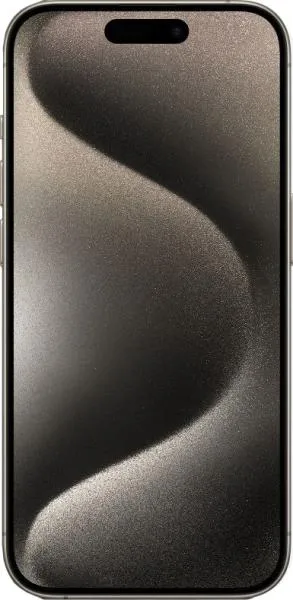
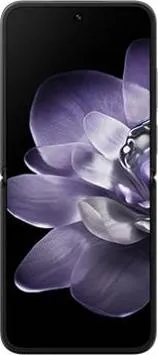
1. Specifications Comparison
| Feature | Apple iPhone 15 Pro | Xiaomi Mix Flip | Practical Impact |
|---|---|---|---|
| Design | |||
| Dimensions | 146.6 x 70.6 x 8.3 mm | 167.5 x 74 x 7.6mm | Mix Flip significantly larger due to folding design; iPhone 15 Pro more pocketable. |
| Weight | 187g | 190g | Negligible weight difference in practical use. |
| Foldable | No | Yes | Mix Flip offers a larger screen in a smaller folded size, potentially sacrificing durability. |
| Build Materials | Not specified | Not specified | Cannot compare build quality and durability without material information. |
| Display | |||
| Size | 6.1" | 6.86" | Mix Flip offers a much larger screen area for media consumption and multitasking. |
| Type | LTPO Super Retina XDR OLED | Foldable LTPO AMOLED | Both offer excellent color accuracy and refresh rates; Mix Flip's crease might impact viewing experience. |
| Resolution | 1179 x 2556 | 1224x2912 | Mix Flip boasts a higher resolution, but practical difference in sharpness might be minimal due to similar PPI. |
| Refresh Rate | 120Hz | 120Hz | Both provide smooth scrolling and animations. |
| Peak Brightness | 2000 nits (HBM), 1000 nits (typ) | 3000 nits | Mix Flip offers significantly higher peak brightness, improving outdoor visibility. |
| Performance | |||
| Chipset | Apple A17 Pro (3 nm) | Snapdragon 8 Gen 3 (4 nm) | Both are top-tier chipsets, but cross-platform comparisons are difficult. Expect excellent performance in both. |
| CPU | Hexa-core | Octa-core | Core count doesn't directly translate to real-world performance; both CPUs should handle demanding tasks with ease. |
| GPU | Apple GPU (6-core) | Adreno 750 | Gaming performance likely comparable, but specific benchmarks are needed for accurate comparison. |
| RAM | 8GB | 12GB | Mix Flip's larger RAM might provide better multitasking performance in the long run. |
| Storage | 256GB, 512GB, 1TB | 512GB | iPhone offers more storage options; both provide ample storage for most users. |
| Battery | |||
| Capacity | 3274 mAh | 4780 mAh | Mix Flip has significantly larger battery capacity, likely leading to longer battery life. |
| Software | |||
| OS | iOS 17 | Android 14 | Significant difference in user interface and app ecosystem; preference depends on individual needs. |
2. Key Differences Analysis
iPhone 15 Pro Advantages:
- More Compact: Significantly smaller and potentially more durable due to non-folding design.
- Potentially Better Performance: Apple's tight integration of hardware and software often results in optimized performance.
- Established Ecosystem: iOS known for its simplicity and app quality.
Xiaomi Mix Flip Advantages:
- Larger Display: Foldable design provides a larger screen for immersive experiences.
- Higher Brightness: Significantly brighter display for better outdoor visibility.
- Larger Battery: Potentially much longer battery life.
- More RAM: Better multitasking performance.
3. User Profiles & Recommendations
iPhone 15 Pro: Users who prioritize portability, durability, a seamless user experience within the Apple ecosystem, and consistent performance. Ideal for users heavily invested in Apple services.
Xiaomi Mix Flip: Users who value a large screen for media consumption, multitasking, and productivity on the go, prioritize battery life, and prefer the flexibility of Android. Ideal for users who embrace new technology and want a device that stands out.
4. Decision Framework
Key Questions:
- Importance of portability vs. screen size? Prioritize iPhone 15 Pro for pocketability; Mix Flip for larger display.
- Preferred operating system? iOS for simplicity and established ecosystem; Android for customization and flexibility.
- Budget and feature prioritization? Both are high-priced; consider which features (foldable screen, battery life, camera) justify the cost.
My Choice:
I would choose the iPhone 15 Pro. While the Xiaomi Mix Flip offers enticing features like a larger display and battery, I prioritize the consistent performance, seamless software experience, and pocketability of the iPhone. The durability concerns associated with foldable phones and the established Apple ecosystem further solidify my choice. However, if a large screen for productivity and media consumption were paramount, the Mix Flip would be a strong contender. Ultimately, the "better" phone depends on individual needs and priorities.
