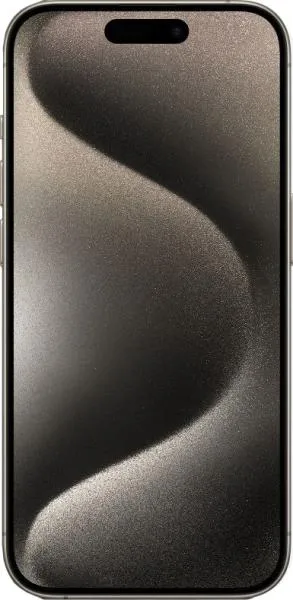

1. Specifications Comparison
| Feature | Apple iPhone 15 Pro | Xiaomi 14T Pro | Practical Impact |
|---|---|---|---|
| Design | |||
| Dimensions | 146.6x70.6x8.3mm | 160.4x75.1x8.4mm | The iPhone 15 Pro is significantly smaller and lighter, making it more pocketable and comfortable for one-handed use. |
| Weight | 187g | 209g | The weight difference, while noticeable, might not be a major factor for all users. |
| Build Materials | Information Missing | Information Missing | Material choice impacts durability and premium feel. This information is needed for a complete comparison. |
| Display | |||
| Display Size | 6.1" | 6.67" | The Xiaomi offers a larger screen for more immersive media consumption and multitasking, while the iPhone prioritizes one-handed usability. |
| Display Type | LTPO Super Retina XDR OLED | AMOLED | Both are high-quality display technologies. LTPO allows for dynamic refresh rate adjustment, potentially saving battery on the iPhone. |
| Refresh Rate | 120Hz | 144Hz | The Xiaomi's higher refresh rate provides smoother animations and scrolling, especially noticeable in gaming and fast-paced content. |
| Peak Brightness | 2000 nits (HBM) | 4000 nits (peak) | The Xiaomi's significantly higher peak brightness ensures better visibility in direct sunlight. |
| Resolution | 1179x2556 | 1220x2712 | While the Xiaomi has a slightly higher resolution, both offer sharp and detailed visuals due to their high pixel densities. |
| Performance | |||
| Chipset | Apple A17 Pro (3 nm) | Mediatek Dimensity 9300+ (4 nm) | Both are flagship chipsets promising top-tier performance. Real-world performance would depend on optimization and specific tasks. |
| CPU | Hexa-core | Octa-core | Core count alone doesn't determine performance. Architecture and clock speeds also play crucial roles. |
| GPU | Apple GPU (6-core graphics) | Immortalis-G720 MC12 | Gaming performance needs further benchmarking to compare these GPUs. |
| RAM | 8GB | 12GB | The Xiaomi offers more RAM, potentially enabling better multitasking and preventing app closures in the background. |
| Storage | 256GB, 512GB, 1TB | 512GB | The iPhone offers more storage options, catering to users with diverse needs. |
| Camera | |||
| Specific sensor details missing | Information Missing | Information Missing | Detailed camera specs (sensor size, aperture) are crucial for comparing image quality. |
| Video Capabilities | Up to 4K@60fps, 1080p@240fps | Up to 8K@30fps, 1080p@960fps | The Xiaomi boasts higher resolution and slow-motion video recording capabilities. |
| Battery | |||
| Capacity | 3274 mAh | 5000 mAh | The Xiaomi offers a significantly larger battery, likely translating to longer battery life. |
2. Key Differences Analysis
iPhone 15 Pro Advantages:
- Premium Design and Build (Potentially): While material details are missing, iPhones generally boast premium build quality.
- Compact Form Factor: Easier one-handed use and portability.
- LTPO Display: Potentially better battery efficiency due to dynamic refresh rate.
- Larger Storage Options: Caters to various user needs.
- Optimized Software: iOS is known for its smooth performance and app optimization.
Xiaomi 14T Pro Advantages:
- Larger, Brighter Display: More immersive media consumption and better outdoor visibility.
- Higher Refresh Rate: Smoother scrolling and animations.
- Larger Battery: Significantly longer battery life.
- Higher Resolution and Slow-Motion Video: More detailed videos and creative possibilities.
- Lower Price: Offers flagship-level specifications at a more affordable price.
Trade-offs:
- Size and Weight: The Xiaomi's larger size might not be ideal for everyone.
- Software Experience: Android experience can vary depending on the manufacturer's customization.
3. User Profiles & Recommendations
iPhone 15 Pro: Users who prioritize a premium, compact phone with a smooth software experience, excellent cameras (assuming based on Apple's track record), and are willing to pay a premium. Ideal for one-handed use, content creation, and general productivity.
Xiaomi 14T Pro: Users who prioritize performance, a large and bright display, long battery life, and value for money. Ideal for power users, gamers, media consumption, and those seeking flagship features on a budget.
4. Decision Framework
Key Questions:
- Budget: How much are you willing to spend?
- Size Preference: Do you prefer a compact or larger phone?
- Priority Features: What matters most: camera quality, battery life, performance, or software experience?
My Choice: Xiaomi 14T Pro
While I appreciate the compact design and potential software smoothness of the iPhone 15 Pro, the Xiaomi 14T Pro offers a compelling combination of performance, features, and value. The significantly larger battery, brighter display with a higher refresh rate, and potential for superior video recording capabilities outweigh the advantages of the iPhone for me. The lower price point further solidifies the Xiaomi 14T Pro as the more attractive option in this comparison. However, the lack of detailed camera specifications prevents a fully informed decision. If camera quality is paramount, pending further investigation, the iPhone might be the preferred choice.
