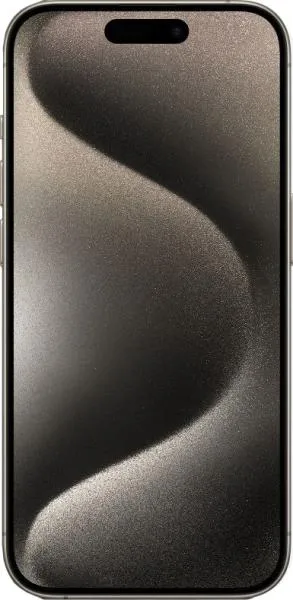
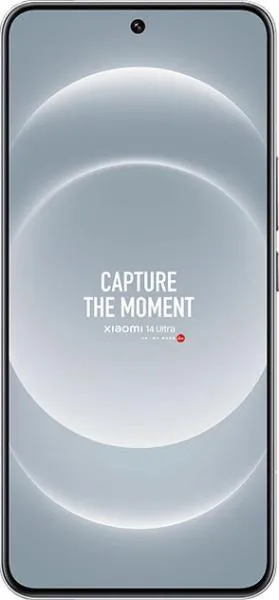
1. Specifications Comparison
| Feature | Apple iPhone 15 Pro | Xiaomi 14 Ultra | Practical Impact |
|---|---|---|---|
| Design | |||
| Dimensions | 146.6x70.6x8.3mm | 161.4x75.3x9.2mm | iPhone 15 Pro is significantly smaller and lighter, easier for one-handed use and pocket portability. Xiaomi 14 Ultra is larger and heavier, potentially less comfortable for extended use. |
| Weight | 187g | 229.5g | Reinforces the difference in portability and one-handed usability. |
| Build Materials | Titanium | Unspecified | Titanium offers superior durability and scratch resistance compared to aluminum or glass; however, without knowing Xiaomi's material, a direct comparison is impossible. |
| Display | |||
| Size | 6.1" | 6.73" | Xiaomi 14 Ultra offers a larger screen for more immersive media consumption and multitasking. iPhone 15 Pro's smaller size benefits one-handed usability. |
| Type | LTPO Super Retina XDR OLED | LTPO AMOLED | Both are high-quality displays with excellent color accuracy and refresh rates. |
| Resolution | 1179x2556 | 1440x3200 | Xiaomi 14 Ultra has a higher resolution and pixel density, resulting in sharper images and text. However, the difference may not be noticeable in everyday use. |
| Refresh Rate | 120Hz | 120Hz | Both offer smooth scrolling and animations thanks to the high refresh rate. |
| Peak Brightness | 2000 nits (HBM) | 3000 nits (peak) | Xiaomi 14 Ultra boasts significantly higher peak brightness, ensuring better visibility in direct sunlight. |
| Performance | |||
| Chipset | Apple A17 Pro (3 nm) | Qualcomm Snapdragon 8 Gen 3 (4 nm) | Both are flagship chipsets promising top-tier performance. Apple's 3nm process node suggests potential advantages in power efficiency. Real-world performance comparisons are needed. |
| CPU | Hexa-core | Octa-core | Core count alone doesn't determine performance. Architecture and clock speeds matter more. Practical differences will depend on specific tasks and optimization. |
| GPU | Apple GPU (6-core) | Adreno 750 | Gaming and graphically demanding tasks might show performance differences. Real-world benchmarks are needed. |
| RAM | 8GB | 16GB | Xiaomi 14 Ultra having double the RAM could provide better multitasking performance and prevent apps from reloading in the background. |
| Battery | |||
| Capacity | 3274 mAh | 5000 mAh | Xiaomi 14 Ultra has a substantially larger battery, likely translating to significantly longer battery life. |
| Other | |||
| Price Range | High | Medium | Significant price difference, potentially making the Xiaomi 14 Ultra a more value-oriented option. |
| Storage Options | 256GB, 512GB, 1TB | 512GB | iPhone offers more storage tier options, catering to diverse needs. |
| OS | iOS 17 | Android 14 | OS preference is subjective. iOS is known for its simplicity and user-friendliness, while Android offers greater customization. |
2. Key Differences Analysis
iPhone 15 Pro Advantages:
- Smaller and Lighter: Significantly more pocketable and comfortable for one-handed use.
- Potentially More Power Efficient: A17 Pro's 3nm architecture suggests better battery life per mAh.
- More Storage Options: Caters to users with varying storage needs.
Xiaomi 14 Ultra Advantages:
- Larger Display: More immersive media consumption and better multitasking.
- Higher Resolution and Peak Brightness: Sharper visuals and excellent outdoor visibility.
- Significantly Larger Battery: Potentially much longer battery life.
- More RAM: Smoother multitasking and less frequent app reloading.
- Lower Price: Offers potentially better value for money.
Trade-offs:
- Size and Weight: Portability vs. screen real estate.
- Price vs. Features: iPhone premium price for a smaller battery, less RAM; Xiaomi offers more features for a lower price.
3. User Profiles & Recommendations
iPhone 15 Pro: Users who prioritize a premium, compact phone with a smooth user experience and value portability over battery life or screen size. Ideal for users heavily invested in the Apple ecosystem.
Xiaomi 14 Ultra: Users who prioritize a large screen, long battery life, and top-tier performance at a competitive price. Suitable for power users, mobile gamers, and content creators.
4. Decision Framework
Key Questions:
- What screen size and portability do you prefer?
- How important is battery life to you?
- What's your budget and desired price-to-performance ratio?
Scenario-Based Recommendations:
- Heavy media consumer on a budget: Xiaomi 14 Ultra
- One-handed use and portability focused: iPhone 15 Pro
- Power user needing long battery life: Xiaomi 14 Ultra
My Choice: Xiaomi 14 Ultra
While the iPhone 15 Pro offers a premium, compact design and a smooth user experience, the Xiaomi 14 Ultra's combination of a large, high-quality display, significantly longer battery life, powerful performance with double the RAM, and a lower price makes it the more compelling option for me. I prioritize battery life, screen real estate, and value for money, and the Xiaomi 14 Ultra delivers strongly in these areas. The larger size and weight are a trade-off I'm willing to make for these benefits. The lack of detail on build material for the Xiaomi is a concern, but the overall package is still more attractive.
