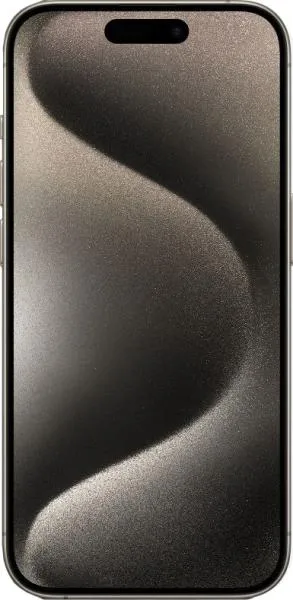
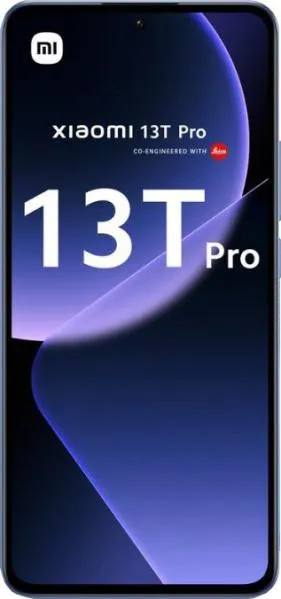
1. Specifications Comparison
| Feature | Apple iPhone 15 Pro | Xiaomi 13T Pro | Practical Impact | |
|---|---|---|---|---|
| Design | ||||
| Dimensions | 146.6x70.6x8.3mm | 162.2x75.7x8.5mm | The iPhone 15 Pro is significantly smaller and lighter, making it easier for one-handed use and pocket portability. The Xiaomi 13T Pro is larger, potentially better suited for media consumption but less pocketable. | |
| Weight | 187g | 200g | Noticeable weight difference; iPhone 15 Pro will feel lighter in hand. | |
| Build Materials | Missing | Missing | Material choice impacts durability and premium feel. This information is crucial for a comprehensive comparison. | |
| Display | ||||
| Display Size | 6.1" | 6.67" | Larger display on the Xiaomi offers more screen real estate for media consumption and multitasking, but may be less comfortable for one-handed use. | |
| Display Type | LTPO Super Retina XDR OLED | AMOLED | Both are high-quality display technologies. LTPO allows for dynamic refresh rate adjustment, potentially saving battery on the iPhone. | |
| Refresh Rate | 120Hz | 144Hz | Higher refresh rate on the Xiaomi 13T Pro results in smoother animations and scrolling, especially noticeable in gaming and fast-paced content. | |
| Peak Brightness | 2000 nits (HBM) | 2600 nits (peak) | The Xiaomi 13T Pro boasts significantly higher peak brightness, ensuring better visibility in direct sunlight. | |
| Resolution | 1179x2556 | 1220x2712 | Xiaomi has a slightly higher resolution, though both offer crisp and sharp visuals due to high pixel densities. | |
| Performance | ||||
| Chipset | Apple A17 Pro (3 nm) | Mediatek Dimensity 9200+ (4 nm) | Both are flagship chipsets promising top-tier performance. Real-world performance differences would require benchmark comparisons. | |
| CPU | Hexa-core | Octa-core | Core count doesn't directly translate to performance; architecture and optimization play a bigger role. Requires benchmarking for accurate comparison. | |
| GPU | Apple GPU (6-core) | Immortalis-G715 MC11 | GPU performance impacts gaming and graphically demanding tasks. Real-world performance comparison requires benchmarks. | |
| RAM | 8GB | 12GB/16GB | Xiaomi offers more RAM, potentially beneficial for multitasking and keeping more apps open in the background. The impact on daily usage depends on individual workflows. | |
| Storage | 256GB, 512GB, 1TB | 512GB, 1TB | Both offer ample storage options. | |
| Battery | ||||
| Capacity | 3274 mAh | 5000 mAh | Significantly larger battery in the Xiaomi 13T Pro suggests longer battery life. Real-world usage will vary. | |
| Camera | ||||
| Details | Missing key details like sensor size, aperture, lens types | Missing key details like sensor size, aperture, lens types | Camera comparison is impossible without sensor and lens specifications. Megapixel count alone is insufficient. | |
| Video Capabilities | Up to 4K@60fps, 1080p@240fps | Up to 8K@24fps, 1080p@240fps | Both offer extensive video recording capabilities. Xiaomi boasts 8K recording, but practical benefits depend on user needs and display devices. |
2. Key Differences Analysis
iPhone 15 Pro Advantages:
- Smaller and Lighter: Easier to handle and carry.
- Potentially Better Battery Efficiency: LTPO display technology.
- iOS Ecosystem: Seamless integration with other Apple devices.
Xiaomi 13T Pro Advantages:
- Larger Display: More immersive media consumption.
- Higher Refresh Rate & Peak Brightness: Smoother visuals and better outdoor visibility.
- Larger Battery: Potentially significantly longer battery life.
- More RAM: Better multitasking capabilities.
- Lower Price: Offers flagship-level specifications at a more affordable price.
Trade-offs:
- iPhone 15 Pro: Premium price for a smaller battery and potentially less powerful (needs benchmarks) processor compared to the Xiaomi 13T Pro.
- Xiaomi 13T Pro: Larger size might not be suitable for all users. Android OS might be preferred by some, while others prefer iOS.
3. User Profiles & Recommendations
iPhone 15 Pro: Users who prioritize a compact and premium device with a seamless ecosystem integration. Ideal for users heavily invested in the Apple ecosystem.
Xiaomi 13T Pro: Users seeking a powerful, feature-rich phone with a large display and long battery life at a competitive price. Ideal for power users, gamers, and media enthusiasts. Price conscious buyers will find this a compelling option.
4. Decision Framework
Key Questions:
- What is your budget? The iPhone 15 Pro commands a significantly higher price.
- Do you prioritize one-handed usability and portability or a larger screen for media consumption?
- Which operating system do you prefer – iOS or Android?
Scenario-based Recommendations:
- Prioritize Compactness and Ecosystem: iPhone 15 Pro
- Maximize Performance and Battery Life on a Budget: Xiaomi 13T Pro.
My Choice: Xiaomi 13T Pro
Reasoning: While I appreciate the premium build and ecosystem of the iPhone, the Xiaomi 13T Pro offers compelling value. The significantly larger battery, higher refresh rate display, more RAM, and lower price point are decisive factors. The larger display is preferable for my media consumption habits. While benchmarks are needed to definitively compare performance, the specifications suggest the Xiaomi 13T Pro offers comparable or potentially superior performance at a much lower cost. Lacking key camera specs makes a definitive judgement impossible in that area, but the Xiaomi offers 8K video recording, potentially useful for future-proofing. Ultimately, the Xiaomi 13T Pro provides a better balance of performance, features, and price for my needs.
