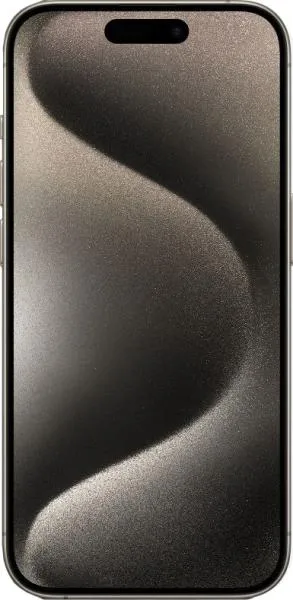
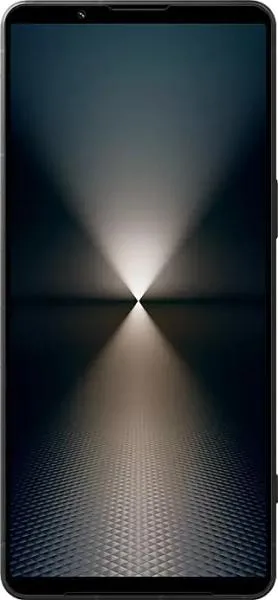
1. Specifications Comparison
| Feature | Apple iPhone 15 Pro | Sony Xperia 1 VI | Practical Impact |
|---|---|---|---|
| Design | |||
| Dimensions | 146.6 x 70.6 x 8.3 mm | 162 x 74 x 8.2 mm | Xperia 1 VI is significantly taller and wider, less pocketable. iPhone 15 Pro is more compact. |
| Weight | 187g | 192g | Negligible weight difference in practical use. |
| Build Materials | Missing | Missing | Material differences could impact durability and premium feel, but we can't compare without data. |
| Display | |||
| Size | 6.1" | 6.5" | Xperia 1 VI offers a larger viewing area for media consumption. |
| Resolution | 1179 x 2556 | 1080 x 2340 | iPhone 15 Pro has a sharper display with higher pixel density (461 vs 396 ppi), resulting in crisper text and images. |
| Refresh Rate | 120Hz | 120Hz | Both offer smooth scrolling and animations. |
| Display Type | LTPO Super Retina XDR OLED | LTPO OLED | Both use power-efficient LTPO panels. iPhone boasts higher typical and peak brightness, potentially improving outdoor visibility. Specific color accuracy details are missing for comparison. |
| Performance | |||
| Chipset | Apple A17 Pro (3 nm) | Qualcomm Snapdragon 8 Gen 3 (4 nm) | A17 Pro is expected to offer superior performance and efficiency due to newer manufacturing process. Real-world benchmarks are needed for accurate comparison. |
| CPU | Hexa-core | Octa-core | Core count alone doesn't determine performance. Architectural differences and clock speeds play a significant role, requiring benchmark comparisons. |
| GPU | Apple GPU (6-core) | Adreno 750 | Gaming performance differences require real-world testing and comparisons. |
| RAM | 8GB | 12GB | Xperia 1 VI's larger RAM could provide better multitasking and app switching performance, especially with demanding applications. |
| Storage | 256GB, 512GB, 1TB | 512GB | iPhone 15 Pro offers more storage options, catering to varying user needs. |
| Camera | |||
| Specific Sensor Details | Missing for both | Missing for both | We can't compare camera quality without sensor size, aperture, and other key details. Video capabilities suggest both excel in video recording with various resolution and frame rate options. Xperia 1 VI explicitly mentions OIS and EIS, suggesting superior video stabilization. |
| Battery | |||
| Capacity | 3274 mAh | 5000 mAh | Xperia 1 VI likely offers significantly longer battery life due to its larger capacity. Real-world usage will vary. |
2. Key Differences Analysis
iPhone 15 Pro Advantages:
- More Compact Design: Easier to handle and pocket.
- Sharper Display: Higher pixel density for crisper visuals.
- Potentially Faster Performance: Newer A17 Pro chip.
- More Storage Options: Caters to various needs.
Sony Xperia 1 VI Advantages:
- Larger Display: Better for media consumption.
- Larger Battery: Potentially much longer battery life.
- More RAM: Improved multitasking.
- Potentially Better Video Stabilization: Explicit mention of OIS and EIS.
3. User Profiles & Recommendations
iPhone 15 Pro: Users prioritizing a compact, premium phone with a sharp display, strong performance, and a robust app ecosystem. Ideal for everyday tasks, photography, and moderate gaming.
Sony Xperia 1 VI: Users who value a large display for media consumption, long battery life, and potentially superior video recording capabilities. Suitable for power users, content creators, and mobile gamers who prioritize screen real estate and battery life.
4. Decision Framework
Key Questions:
- What screen size and form factor do you prefer? Compact or large display?
- How important is battery life?
- What is your budget? iPhone 15 Pro is positioned in a higher price bracket.
My Choice: Sony Xperia 1 VI
While the iPhone 15 Pro likely offers better performance and a sharper display, the Sony Xperia 1 VI's larger battery, bigger screen, and potentially superior video stabilization features are more compelling to me. I prioritize battery life and media consumption, making the Xperia 1 VI a better fit for my needs. The larger RAM is also a significant advantage for multitasking. While the iPhone is undoubtedly a premium device, the Xperia 1 VI offers a compelling combination of features at a potentially more appealing price point. The lack of specific camera details prevents a comprehensive camera comparison, but the Xperia's explicit mention of OIS/EIS suggests an advantage in video recording stability, a feature I value.
