1. Specifications Comparison
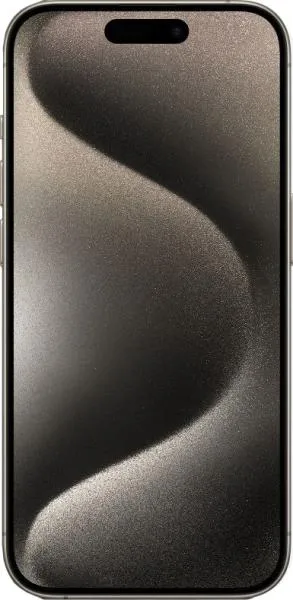
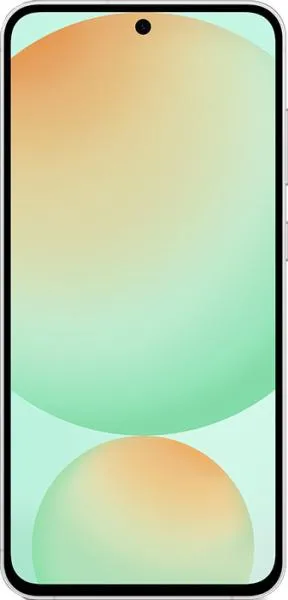
| Feature | Apple iPhone 15 Pro | Samsung Galaxy S24 FE | Practical Impact |
|---|---|---|---|
| Design | |||
| Dimensions | 146.6x70.6x8.3mm | 162x77.3x8mm | The iPhone 15 Pro is significantly smaller and more pocketable. The S24 FE is larger, offering a more expansive viewing experience but potentially less comfortable one-handed use. |
| Weight | 187g | 213g | The iPhone 15 Pro is noticeably lighter, reducing hand fatigue during extended use. |
| Build Materials | Titanium frame | Not specified | Durability and premium feel may differ. Titanium generally offers superior strength and scratch resistance. |
| Display | |||
| Display Size | 6.1" | 6.7" | The S24 FE offers a larger display for more immersive media consumption and multitasking. The iPhone 15 Pro's smaller display promotes one-handed usability. |
| Display Type | LTPO Super Retina XDR OLED | Dynamic AMOLED 2X | Both are high-quality displays with vibrant colors and deep blacks. LTPO technology on the iPhone allows for a more variable refresh rate, potentially saving battery. |
| Resolution | 1179x2556 | 1080x2340 | While the iPhone has a higher pixel density (461 ppi vs 385 ppi), both offer sharp visuals. The difference is unlikely to be noticeable in everyday use. |
| Peak Brightness | 2000 nits (HBM) | 1900 nits | Both offer excellent outdoor visibility. The iPhone's slightly higher peak brightness may provide a marginal advantage in direct sunlight. |
| Refresh Rate | 120Hz | 120Hz | Both displays offer smooth scrolling and animations thanks to the 120Hz refresh rate. |
| Performance | |||
| Chipset | Apple A17 Pro (3 nm) | Exynos 2400e (4 nm) | The A17 Pro is expected to offer superior performance and efficiency due to its more advanced manufacturing process. Real-world performance will depend on optimization. |
| CPU | Hexa-core (2x3.78 GHz + 4x2.11 GHz) | Deca-core(1x3.1 GHz + 2x2.9 GHz + 3x2.6 GHz + 4x1.95 GHz) | Core count isn't a direct indicator of performance. Apple's architecture often outperforms higher core count competitors. Expect the A17 Pro to offer better single-core performance crucial for responsiveness. |
| GPU | Apple GPU (6-core graphics) | Xclipse 940 | Gaming and graphics-intensive tasks will likely perform better on the iPhone due to Apple's GPU optimization. |
| RAM | 8GB | 8GB | Both phones have ample RAM for multitasking. |
| Battery | |||
| Capacity | 3274 mAh | 4700 mAh | The S24 FE has a significantly larger battery, suggesting longer battery life. Real-world usage will vary. |
| Camera | |||
| Video Capabilities | Up to 4K@60fps (HDR), 1080p@240fps | Up to 8K@30fps, 4K@120fps, 720p@960fps | Both offer extensive video recording options. The S24 FE boasts 8K recording, while the iPhone focuses on HDR and higher frame rates at lower resolutions, potentially offering better quality in everyday scenarios. Specific sensor details and image processing significantly impact final image quality and are missing. |
| Other | |||
| Price Range | High | Medium | The iPhone 15 Pro is expected to be significantly more expensive. |
| OS | iOS 17 | Android 14 | OS preference is subjective. iOS is known for its simplicity and tight integration, while Android offers more customization options. |
2. Key Differences Analysis
iPhone 15 Pro Advantages:
- Performance: Expected to be significantly faster and more efficient.
- Compact Design: Smaller and lighter for easier one-handed use.
- Premium Materials: Titanium frame for increased durability.
- Potentially Better Image Quality: While lacking specifics, Apple's history suggests superior image processing and video quality in real-world scenarios.
Samsung Galaxy S24 FE Advantages:
- Larger Battery: Potentially much longer battery life.
- Larger Display: More immersive for media consumption and multitasking.
- Lower Price: Significantly more affordable.
- 8K Video Recording: Offers higher resolution video recording.
3. User Profiles & Recommendations
iPhone 15 Pro: Users who prioritize performance, a premium experience, compact design, and are willing to pay a premium. Ideal for demanding tasks, gaming, and content creation.
Samsung Galaxy S24 FE: Users seeking a large screen, long battery life, and value for their money. Suitable for media consumption, multitasking, and casual gaming. Good option for budget-conscious users.
4. Decision Framework
- What is your budget? The iPhone 15 Pro commands a significantly higher price.
- Do you prioritize performance or battery life? The iPhone likely excels in performance, while the S24 FE offers a larger battery.
- Do you prefer a compact or large phone? The iPhone 15 Pro is smaller and lighter, while the S24 FE has a larger display.
My Choice: Apple iPhone 15 Pro
While the Samsung Galaxy S24 FE offers compelling features like a larger battery and display at a lower price, I would choose the Apple iPhone 15 Pro. The superior expected performance, premium build quality, and compact design are more aligned with my personal preferences. I value a smooth and responsive user experience, which the A17 Pro chip is likely to deliver. Although the battery is smaller, I'm willing to compromise on battery life for the overall performance and design advantages. Additionally, historically, Apple's tight integration of hardware and software results in a more polished and optimized user experience. While price is a factor, the long-term value and performance consistency offered by Apple products outweigh the higher initial cost for me. This is a subjective choice based on my individual needs and priorities.
