1. Specifications Comparison
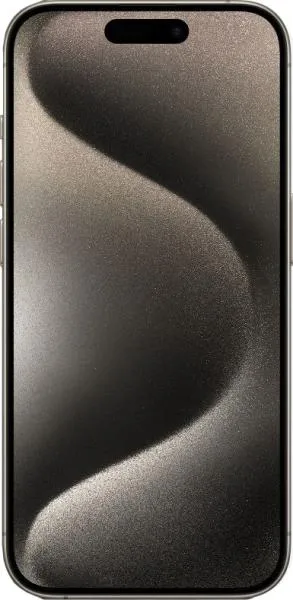
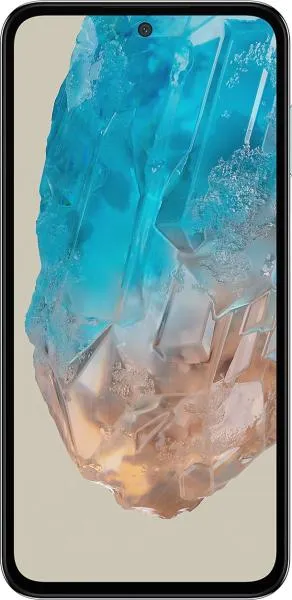
| Feature | Apple iPhone 15 Pro | Samsung Galaxy M35 | Practical Impact |
|---|---|---|---|
| Design | |||
| Dimensions | 146.6 x 70.6 x 8.3 mm | 162.3 x 78.6 x 9.1 mm | iPhone 15 Pro is significantly smaller and lighter, easier for one-handed use and pocket portability. |
| Weight | 187g | 222g | iPhone 15 Pro is noticeably lighter, reducing hand fatigue during extended use. |
| Build Materials | Information not provided | Information not provided | Material choice impacts durability, premium feel, and susceptibility to scratches/damage. This information is crucial for a complete comparison. |
| Display | |||
| Size | 6.1" | 6.6" | Galaxy M35 offers a larger screen for more immersive media consumption and multitasking, but may be less comfortable for one-handed use. |
| Type | LTPO Super Retina XDR OLED | Super AMOLED | Both are high-quality display technologies. LTPO allows for dynamic refresh rate adjustment, potentially saving battery. Super Retina XDR implies higher brightness and wider color gamut, but specific details on the Galaxy M35's panel are lacking. |
| Resolution | 1179 x 2556 | 1080 x 2340 | iPhone has a sharper display (higher pixel density - 461 ppi vs 390 ppi), resulting in crisper text and images. |
| Refresh Rate | 120Hz | 120Hz | Both offer smooth scrolling and animations. |
| Peak Brightness | 2000 nits (HBM) | 1000 nits (HBM) | iPhone 15 Pro's significantly higher peak brightness ensures better visibility in direct sunlight. |
| Performance | |||
| Chipset | Apple A17 Pro (3 nm) | Exynos 1380 (5 nm) | A17 Pro is expected to offer significantly better performance and power efficiency due to its more advanced manufacturing process and architecture. Real-world benchmarks are needed for a definitive comparison. |
| CPU | Hexa-core (2x3.78 GHz + 4x2.11 GHz) | Octa-core (4x2.4 GHz Cortex-A78 & 4x2.0 GHz Cortex-A55) | Core count and clock speeds alone don't tell the whole story. A17 Pro's architecture likely provides a significant performance advantage in demanding tasks and gaming. |
| GPU | Apple GPU (6-core graphics) | Mali-G68 MP5 | Apple's custom GPUs are generally known for their strong performance. More information is needed on the Mali-G68 MP5's capabilities for a fair comparison. |
| RAM | 8GB | 8GB | Same RAM capacity. |
| Storage | 256GB, 512GB, 1TB | 256GB | iPhone offers more storage options for users with high storage needs. |
| Battery | |||
| Capacity | 3274 mAh | 6000 mAh | Galaxy M35 has a much larger battery, likely resulting in significantly longer battery life. Real-world usage will depend on optimization. |
| Camera | |||
| Specifications Missing | Camera specifications are missing for both phones. | Camera quality is a crucial factor for many users. This lack of information prevents a meaningful comparison. |
2. Key Differences Analysis
- Performance: iPhone 15 Pro is expected to deliver significantly better performance due to the A17 Pro chip.
- Display: iPhone 15 Pro boasts a sharper, brighter display. Galaxy M35 offers a larger display.
- Battery: Galaxy M35 has a substantially larger battery capacity, potentially lasting much longer.
- Size and Weight: iPhone 15 Pro is smaller and lighter, improving one-handed usability.
- Price: iPhone 15 Pro is a high-priced flagship, while Galaxy M35 is a mid-range device.
3. User Profiles & Recommendations
- iPhone 15 Pro: Users who prioritize performance, premium design, a compact form factor, and a vibrant display. Ideal for demanding tasks, gaming, and content creation.
- Samsung Galaxy M35: Users who value long battery life, a large screen for media consumption, and affordability. Suitable for everyday use, browsing, and casual gaming.
4. Decision Framework
- What is your budget? The iPhone 15 Pro is significantly more expensive.
- What are your performance needs? The iPhone 15 Pro offers superior performance.
- How important is battery life? The Galaxy M35 excels in battery life.
My Choice: Apple iPhone 15 Pro
While the Samsung Galaxy M35 offers a tempting larger battery and screen size, the iPhone 15 Pro's superior performance, brighter and sharper display, and more compact form factor are decisive factors for me. I prioritize a smooth and responsive user experience, especially for demanding tasks and gaming. The A17 Pro chip's expected performance lead, combined with the higher quality display, makes the iPhone 15 Pro a more compelling device despite its higher price and smaller battery. The lack of camera specifications makes a complete judgment impossible, but based on the available data, the iPhone 15 Pro aligns better with my preferences for a powerful and portable device. I am willing to compromise on battery life for the overall performance and premium experience offered by the iPhone.
