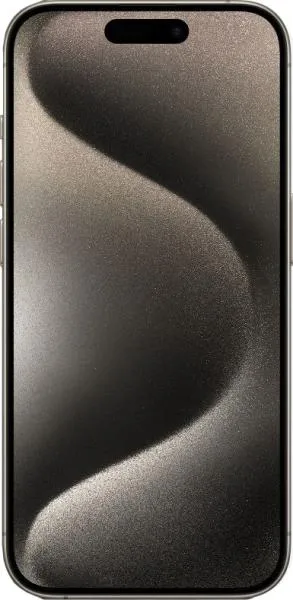
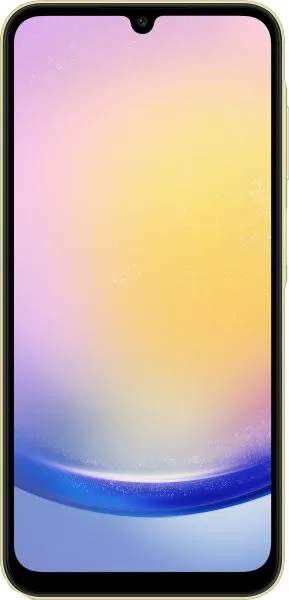
1. Specifications Comparison
| Feature | Apple iPhone 15 Pro | Samsung Galaxy A15 5G | Practical Impact |
|---|---|---|---|
| Design | |||
| Dimensions | 146.6x70.6x8.3mm | 160.1x76.8x8.4mm | iPhone 15 Pro is significantly smaller and more pocketable. |
| Weight | 187g | 200g | iPhone 15 Pro is noticeably lighter. |
| Build Materials | Not specified | Not specified | Build quality and durability cannot be compared without further information. |
| Display | |||
| Display Type | LTPO Super Retina XDR OLED | Super AMOLED | Both offer vibrant colors and deep blacks. iPhone's LTPO allows for dynamic refresh rate adjustment, saving battery. |
| Display Size | 6.1" | 6.5" | Galaxy A15 offers a larger screen for media consumption. |
| Resolution | 1179x2556 | 1080x2340 | iPhone 15 Pro has a sharper display (461 ppi vs 396 ppi). |
| Refresh Rate | 120Hz | 90Hz | iPhone 15 Pro offers smoother scrolling and animations. |
| Peak Brightness | 2000 nits (HBM) | 800 nits (HBM) | iPhone 15 Pro will be significantly more readable in direct sunlight. |
| Performance | |||
| Chipset | Apple A17 Pro (3 nm) | Mediatek Dimensity 6100+ (6 nm) | A17 Pro is expected to significantly outperform the Dimensity 6100+ in demanding tasks and gaming. |
| CPU | Hexa-core (2x3.78 GHz + 4x2.11 GHz) | Octa-core (2x2.2 GHz Cortex-A76 & 6x2.0 GHz Cortex-A55) | A17 Pro's architecture and higher clock speeds suggest superior processing power. |
| GPU | Apple GPU (6-core graphics) | Mali-G57 MC2 | iPhone 15 Pro is expected to deliver a much better gaming experience. |
| RAM | 8GB | 6GB/8GB | More RAM in higher storage configurations of the Galaxy A15 could benefit multitasking, but the A17's architecture likely offers better RAM management. |
| Storage | 256GB, 512GB, 1000GB | 128GB, 256GB | iPhone 15 Pro offers higher storage options. |
| Camera | |||
| Rear Camera | Not specified | Not specified | Camera quality cannot be compared without specific sensor details and features. |
| Video Capabilities | Up to 4K@60fps (HDR), 1080p@240fps (HDR) | 1080p@30fps (EIS) | iPhone 15 Pro offers significantly better video recording capabilities with higher resolution, frame rates, and HDR. |
| Battery | |||
| Battery Capacity | 3274 mAh | 5000 mAh | Galaxy A15 5G has a much larger battery capacity, likely resulting in longer battery life. |
2. Key Differences Analysis
iPhone 15 Pro Advantages:
- Significantly more powerful: The A17 Pro chip provides a major performance advantage for demanding tasks, gaming, and future-proofing.
- Superior display: Brighter, sharper, smoother, and more power-efficient due to LTPO technology.
- Premium design: Smaller, lighter, and likely more premium materials (though not specified).
- Advanced video recording: Higher resolution, frame rates, and HDR support.
Samsung Galaxy A15 5G Advantages:
- Larger battery: Potentially much longer battery life.
- Lower price: Positioned in the medium price range, offering greater affordability.
- Larger display: More screen real estate for media consumption.
3. User Profiles & Recommendations
iPhone 15 Pro: Users who prioritize performance, premium design, a top-tier display, and advanced camera features. Ideal for demanding tasks, gaming, content creation, and users who value a polished user experience.
Samsung Galaxy A15 5G: Users who prioritize battery life and affordability. Suitable for everyday tasks, social media, web browsing, and users seeking a larger screen for media consumption. Less demanding gamers might find it acceptable.
4. Decision Framework
Key Questions for Buyers:
- What is your budget? The iPhone 15 Pro is a high-end device, while the Galaxy A15 5G is more budget-friendly.
- What are your primary use cases? Demanding tasks and gaming favor the iPhone 15 Pro. Basic tasks and media consumption might be sufficiently served by the Galaxy A15 5G.
- How important are battery life, performance, and display quality? The Galaxy A15 5G excels in battery life, while the iPhone 15 Pro leads in performance and display.
My Choice:
I would choose the iPhone 15 Pro. While the Galaxy A15 5G offers a larger battery and lower price, the iPhone 15 Pro's significant advantages in performance, display quality, and overall user experience are more compelling to me. I prioritize a smooth, responsive device with a top-tier display and strong future-proofing, and I am willing to pay a premium for that. The superior video recording capabilities of the iPhone are also a significant factor. While battery life is important, I am confident that the iPhone 15 Pro's battery will be sufficient for my usage, and I can mitigate any concerns with optimized settings or portable chargers.
