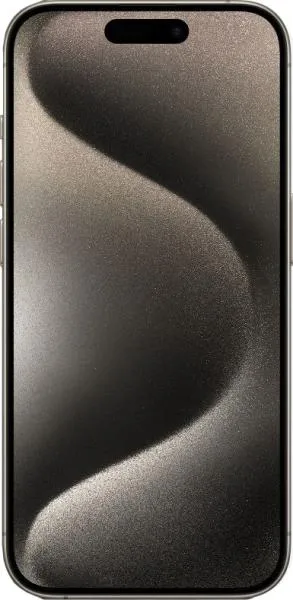
1. Specifications Comparison
| Feature | Apple iPhone 15 Pro | Phone 8 | Practical Impact |
|---|---|---|---|
| Design | |||
| Dimensions | 146.6x70.6x8.3mm | 162x75.1x8.7mm | iPhone 15 Pro is significantly smaller and lighter, easier for one-handed use and pocket portability. Phone 8 is larger, potentially better for media consumption but less pocketable. |
| Weight | 187g | 191g | The weight difference is negligible in practical use. |
| Build Materials | Not specified | Not specified | Material choice impacts durability and premium feel; information is missing for both. |
| Display | |||
| Display Size | 6.1" | 6.78" | Phone 8 offers a much larger screen for immersive media consumption and multitasking. iPhone 15 Pro's smaller size benefits one-handed usability. |
| Display Type | LTPO Super Retina XDR OLED | LTPO AMOLED | Both are high-quality displays with excellent color accuracy and refresh rates. |
| Resolution | 1179x2556 | 1264x2780 | Phone 8 has a slightly higher resolution, but the difference in sharpness will be minimal at these sizes. |
| Refresh Rate | 120Hz | 120Hz | Both offer smooth scrolling and animations thanks to the 120Hz refresh rate. |
| Peak Brightness | 2000 nits (HBM) | 6000 nits (peak) | Phone 8's significantly higher peak brightness ensures better visibility in direct sunlight. |
| Performance | |||
| Chipset | Apple A17 Pro (3 nm) | Qualcomm Snapdragon 7+ Gen 3 (4 nm) | A17 Pro is expected to offer superior performance and efficiency due to its newer architecture and manufacturing process. |
| CPU | Hexa-core | Octa-core | Core count alone doesn't determine performance; A17 Pro's architecture likely provides a significant performance advantage. |
| GPU | Apple GPU (6-core) | Adreno 732 | Apple's custom GPU design generally offers leading performance in its class, likely outperforming the Adreno 732. |
| RAM | 8GB | 12GB | Phone 8 has more RAM, potentially benefiting multitasking and keeping more apps open in the background. However, iOS's memory management might mitigate this advantage. |
| Storage | 256GB, 512GB, 1TB | 512GB | iPhone offers more storage options, catering to different user needs. |
| Battery | |||
| Capacity | 3274 mAh | 5500 mAh | Phone 8 has a substantially larger battery, likely translating to significantly longer battery life. |
| Other | |||
| OS | iOS 17 | Android 14 | OS preference is subjective; iOS is known for simplicity and privacy, while Android offers more customization. |
| Price Range | High | Medium | Significant price difference; Phone 8 offers better value in terms of hardware for the price. |
2. Key Differences Analysis
iPhone 15 Pro Advantages:
- Compact Form Factor: Easier to handle and carry.
- Expected Superior Performance: A17 Pro chip likely offers a noticeable speed and efficiency advantage.
- Potentially Better Software/Ecosystem: iOS is known for its seamless integration and long-term software support.
Phone 8 Advantages:
- Larger Display: More immersive media consumption and multitasking experience.
- Significantly Longer Battery Life: Larger battery capacity likely results in much longer usage between charges.
- Higher Peak Brightness: Improved outdoor visibility.
- Lower Price: Offers strong value for its specifications.
- More RAM: Better for heavy multitasking
3. User Profiles & Recommendations
iPhone 15 Pro: Users who prioritize a compact, premium phone with top-tier performance, a smooth user experience, and value long-term software updates. Best for those who prefer iOS ecosystem and are willing to pay a premium for it.
Phone 8: Users who prioritize a large display, long battery life, and value for money. Suitable for media consumption, gaming, and multitasking. Best for those who prefer Android's customization and a larger screen without breaking the bank.
4. Decision Framework
Key Questions:
- What screen size do you prefer? Compact or large?
- How important is battery life?
- What's your budget? Are you willing to pay a premium for the best performance and iOS?
Scenario-Based Recommendations:
- Heavy user, prioritize battery and large screen: Phone 8
- Prioritize portability, performance, and iOS: iPhone 15 Pro
- Budget-conscious user who wants a large screen: Phone 8
My Choice: Phone 8
While the iPhone 15 Pro boasts a powerful processor and a premium feel, the Phone 8 offers a compelling combination of a large, bright display, significantly longer battery life, and a more appealing price point. The Snapdragon 7+ Gen 3, while not as powerful as the A17 Pro, still provides ample performance for everyday tasks and even demanding games. As someone who values battery life and screen real estate, the Phone 8's advantages outweigh the performance difference for my personal use. The significant price difference solidifies the Phone 8 as the better value proposition for me. I acknowledge that iOS has its advantages in terms of software updates and ecosystem, but Android's flexibility and the Phone 8's hardware advantages make it the more attractive option.
