1. Specifications Comparison
| Feature | Apple iPhone 15 Pro | Nothing Phone (2a) | Practical Impact |
|---|---|---|---|
| Design | |||
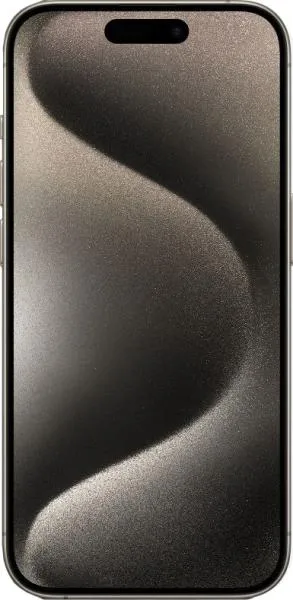
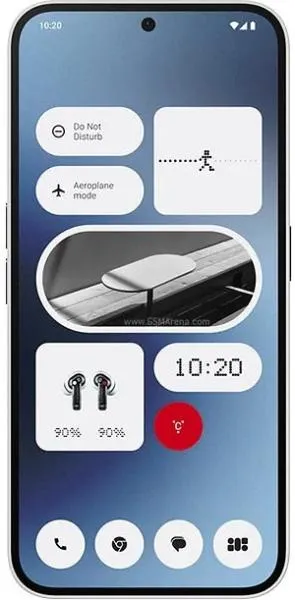
| Dimensions | 146.6 x 70.6 x 8.3 mm | 161.7 x 76.3 x 8.6 mm | iPhone 15 Pro is significantly smaller and more pocketable. |
| Weight | 187g | 190g | Negligible weight difference in real-world usage. |
| Build | Titanium frame | Aluminum frame | iPhone 15 Pro's titanium frame offers greater durability and premium feel. |
| Display | |||
| Size | 6.1" | 6.7" | Nothing Phone (2a) offers a larger screen for media consumption and multitasking. |
| Type | LTPO Super Retina XDR OLED | AMOLED | Both offer excellent color accuracy and deep blacks; LTPO allows for dynamic refresh rate, potentially saving battery on the iPhone. |
| Resolution | 1179 x 2556 | 1080 x 2412 | iPhone has a sharper display due to higher pixel density (461 vs 394 ppi). |
| Peak Brightness | 2000 nits (HBM) | 1300 nits (peak) | iPhone 15 Pro offers significantly higher peak brightness for better outdoor visibility. |
| Refresh Rate | 120Hz | 120Hz | Both offer smooth scrolling and animations. |
| Performance | |||
| Chipset | Apple A17 Pro (3 nm) | Mediatek Dimensity 7200 Pro (4 nm) | A17 Pro is expected to offer superior performance and efficiency due to advanced manufacturing process and Apple's chip design. |
| CPU | Hexa-core (2x3.78 GHz + 4x2.11 GHz) | Octa-core (2x2.8 GHz Cortex-A715 & 6x 2.0 Cortex-A510) | Core count doesn't directly translate to performance; A17 Pro likely outperforms in single and multi-core tasks. |
| GPU | Apple GPU (6-core) | Mali-G610 MC4 | Apple's custom GPU generally provides leading graphics performance for mobile gaming and demanding tasks. |
| RAM | 8GB | 12GB | While Nothing Phone has more RAM, iOS's memory management makes 8GB sufficient on the iPhone. |
| Battery | |||
| Capacity | 3274 mAh | 5000 mAh | Nothing Phone (2a) has significantly larger battery capacity, likely resulting in longer battery life. |
| Other | |||
| OS | iOS 17 | Android 14 | OS preference is subjective; iOS is known for simplicity and tight hardware-software integration, while Android offers more customization. |
| Storage | 256GB, 512GB, 1TB | 256GB | iPhone offers more storage options. |
| Price | High | Medium | Significant price difference. |
2. Key Differences Analysis
iPhone 15 Pro Advantages:
- Superior Performance: The A17 Pro chip provides a significant performance advantage for demanding tasks and gaming.
- Brighter, Sharper Display: Offers higher resolution and peak brightness for a better viewing experience.
- More Durable Build: Titanium frame provides better protection against drops and scratches.
- Premium Ecosystem: Seamless integration with other Apple devices and services.
Nothing Phone (2a) Advantages:
- Larger Battery: Significantly larger battery capacity translates to potentially much longer usage time.
- Larger Display: More screen real estate for media consumption and multitasking.
- Lower Price: Offers competitive specifications at a more affordable price point.
3. User Profiles & Recommendations
iPhone 15 Pro: Users who prioritize performance, premium design, a robust app ecosystem, and seamless integration with other Apple devices. Ideal for demanding tasks, mobile gaming, content creation, and users willing to pay a premium.
Nothing Phone (2a): Users who prioritize battery life, a large display, and value for money. Ideal for media consumption, general productivity, and users seeking a well-rounded phone without a high price tag.
4. Decision Framework
Key Questions for Buyers:
- What is your budget? The iPhone 15 Pro is significantly more expensive.
- What are your performance needs? For demanding tasks and gaming, the iPhone 15 Pro offers a clear advantage.
- How important is battery life? The Nothing Phone (2a) likely provides significantly longer battery life.
Scenario-Based Recommendations:
- Heavy Gamer: iPhone 15 Pro
- Power User on a Budget: Nothing Phone (2a)
- Photographer/Videographer: iPhone 15 Pro (assuming superior camera capabilities based on Apple's history - camera specs weren't provided for comparison)
My Choice: Apple iPhone 15 Pro
While the Nothing Phone (2a) offers compelling value, I would choose the iPhone 15 Pro. The superior performance of the A17 Pro chip, brighter and sharper display, and more durable build are crucial factors for me. I prioritize a smooth and responsive user experience, especially for demanding tasks and gaming. The robust app ecosystem and tight hardware-software integration of iOS are also significant advantages. While battery life is important, I'm willing to compromise slightly in this area for the overall performance and premium experience offered by the iPhone 15 Pro. The higher price is justified by the significant performance and quality differences.
