1. Specifications Comparison
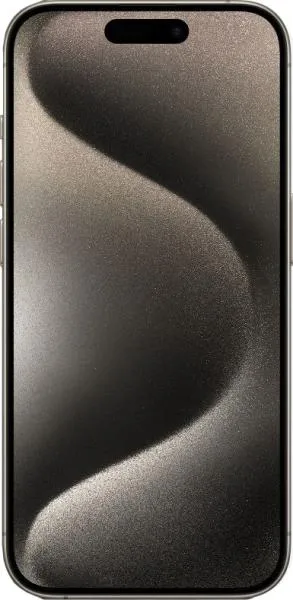
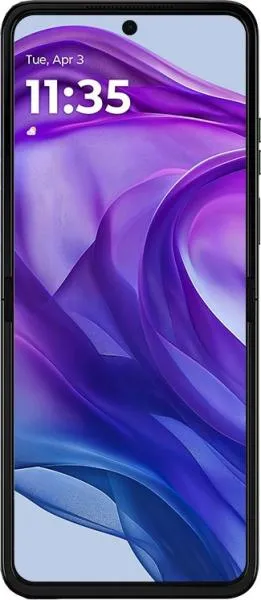
| Feature | Apple iPhone 15 Pro | Motorola Razr 50 Ultra | Practical Impact |
|---|---|---|---|
| Design | |||
| Dimensions | 146.6 x 70.6 x 8.3 mm | 171.4 x 74 x 7.1 mm (unfolded) | Razr 50 Ultra significantly larger unfolded, but more compact when folded. iPhone 15 Pro is easier to pocket and use one-handed. |
| Weight | 187g | 189g | Negligible weight difference. |
| Foldable | No | Yes | Razr offers a larger screen in a smaller package when folded, enhancing portability. |
| Build | Titanium Frame | Aluminum Frame (Unspecified details) | iPhone 15 Pro likely more durable due to titanium frame. Durability of Razr's hinge mechanism is a key consideration. Missing details on Razr's build limit a full comparison. |
| Display | |||
| Display Size | 6.1" | 6.9" (main), ~3.6" (cover) | Razr offers a significantly larger main display for immersive content consumption, while the cover display allows for quick interactions without unfolding. |
| Display Type | LTPO Super Retina XDR OLED | Foldable LTPO AMOLED | Both offer excellent color accuracy and power efficiency. Foldable nature of Razr's display introduces potential crease visibility and durability concerns. |
| Refresh Rate | 120Hz | 165Hz | Razr's higher refresh rate provides smoother animations and scrolling, but the difference might not be noticeable for all users. |
| Peak Brightness | 2000 nits (HBM) | 3000 nits | Razr offers significantly higher peak brightness for better outdoor visibility. |
| Resolution | 1179 x 2556 | 1080 x 2640 | iPhone has a slightly higher pixel density (461 vs 413 ppi), resulting in sharper text and images. However, the difference is minimal in real-world usage. |
| Performance | |||
| Chipset | Apple A17 Pro (3 nm) | Qualcomm Snapdragon 8 Gen 3 (4 nm) | Both are flagship chipsets, offering top-tier performance. A17 Pro is newer and likely to have an edge in benchmark scores, especially GPU performance given Apple's focus. Real-world performance differences might be subtle for average users. |
| RAM | 8GB | 12GB | Razr has more RAM, potentially enabling better multitasking and smoother performance with demanding applications. |
| Storage | 256GB, 512GB, 1000GB | 256GB | iPhone offers more storage options for users with large media libraries. |
| Battery | |||
| Capacity | 3274 mAh | 4000 mAh | Razr has a larger battery capacity, likely providing longer battery life considering its larger display and foldable mechanism's power requirements. Real-world battery life depends heavily on usage patterns. |
| Software | |||
| OS | iOS 17 | Android 14 | Different operating systems cater to different user preferences and ecosystems. |
| Camera | |||
| Video Capabilities | Up to 4K@60fps (HDR), 1080p@240fps | Up to 4K@60fps (HDR, EIS), 1080p@960fps | Both offer excellent video recording capabilities. Razr boasts higher slow-motion capabilities. Detailed camera sensor specifications are missing, limiting a comprehensive comparison. |
2. Key Differences Analysis
iPhone 15 Pro Advantages:
- More compact and pocketable: Easier one-handed use.
- Potentially more durable: Titanium frame.
- Higher storage options: Up to 1TB for large media libraries.
- Smoother ecosystem integration: Within the Apple ecosystem.
- Likely longer software support: Apple's track record of long OS updates.
Motorola Razr 50 Ultra Advantages:
- Larger main display: More immersive content consumption.
- Foldable design: Enhanced portability and unique form factor.
- Higher refresh rate and peak brightness: Smoother visuals and better outdoor visibility.
- Larger battery: Potentially longer battery life.
- More RAM: Better multitasking capabilities.
- Lower Price: Offers flagship-level features at a more accessible price point.
3. User Profiles & Recommendations
iPhone 15 Pro: Users who prioritize a compact, premium device with a seamless user experience within the Apple ecosystem. Ideal for those who value durability, long-term software support, and consistent performance.
Motorola Razr 50 Ultra: Users who value a unique, foldable design with a large screen for media consumption and multitasking. Ideal for those seeking a balance between portability and screen real estate, and are comfortable with the Android ecosystem.
4. Decision Framework
Key Questions for Buyers:
- Form factor priority: Do you prioritize a compact traditional smartphone or a foldable device with a larger screen?
- Ecosystem preference: Are you invested in the Apple or Android ecosystem?
- Budget: The "medium" vs "high" price range designations are relative. What is your actual budget? The Razr offers compelling value for its features.
Scenario-Based Recommendations:
- Prioritize portability and one-handed use: iPhone 15 Pro
- Desire a large screen for media and multitasking in a pocketable device: Razr 50 Ultra
- Value long-term software updates and ecosystem integration: iPhone 15 Pro
- Seek a unique, innovative device with a focus on value: Razr 50 Ultra
My Choice: Motorola Razr 50 Ultra
While the iPhone 15 Pro is a fantastic device, I would choose the Motorola Razr 50 Ultra. The foldable form factor genuinely intrigues me. The ability to have a large screen for media consumption and productivity that folds into a compact device for pocketability is compelling. The Razr 50 Ultra also offers a higher refresh rate, brighter display, larger battery, and more RAM, all at a lower price point than the iPhone 15 Pro. While I acknowledge the potential drawbacks of a foldable screen (crease, durability), the innovative design and feature set at a more accessible price outweigh those concerns for me personally. The larger battery capacity addresses my concern about the power demands of the large, high refresh rate screen. Finally, as someone who enjoys exploring different operating systems and UI paradigms, I'm comfortable with Android.
